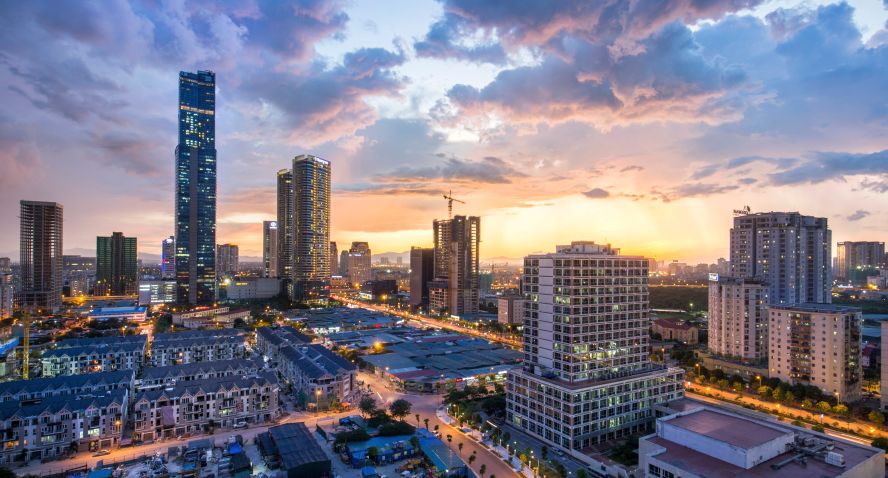
Hanoi, the bustling capital of Vietnam, is a city where history, culture, and modernity blend seamlessly. Nestled along the banks of the Red River, Hanoi captivates visitors with its rich heritage, vibrant street life, and warm hospitality. This is a city that experienced the suffering of the Vietnam War in the 1960s. Today, it has managed to become one of the most touristic cities in the world with its culture and nature. Now let’s visit the interesting places of this special city.
A Walk Through Hanoi’s History
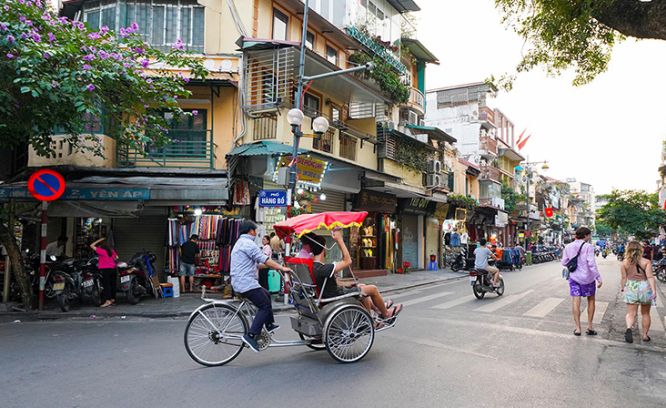
Hanoi’s history spans over a thousand years, leaving behind a legacy of fascinating architecture and cultural landmarks. You may want to start your journey in the Old Quarter, where narrow streets are named after traditional crafts. Here, you’ll find historic shophouses, bustling markets, and an authentic glimpse into the city’s past. Be sure to visit iconic spots like Dong Xuan Market and enjoy a cup of egg coffee at one of the area’s charming cafes. The Old Quarter is also an excellent place to shop for souvenirs and experience Hanoi’s vibrant energy.
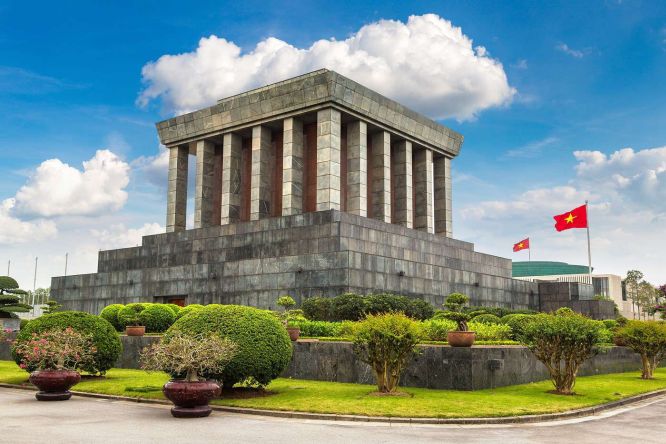
For a deeper dive into Vietnam’s history, consider visiting the Ho Chi Minh Mausoleum, where the revered leader’s legacy is preserved with great reverence.
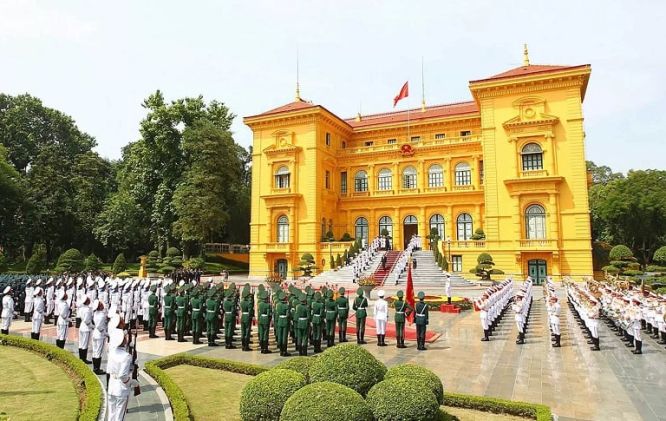
Nearby, you can explore the Ho Chi Minh Museum and the Presidential Palace, which provide additional context about his life and legacy. The One Pillar Pagoda, located within the complex, is another architectural gem that shouldn’t be missed.
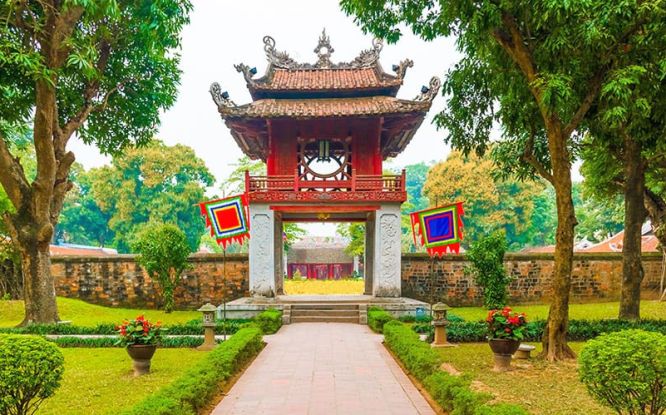
Another historical gem is the Temple of Literature, an ancient Confucian temple and Vietnam’s first national university. The tranquil courtyards and intricate stonework provide a peaceful escape from the city’s lively streets. Each corner tells a story of Vietnam’s dedication to education and culture.
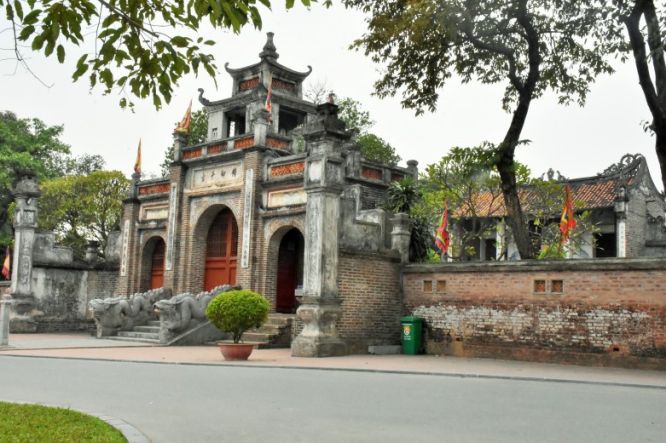
Located about 16 kilometers north of Hanoi, Co Loa Castle is one of the oldest and most important historical sites in Vietnam. Dating back to the 3rd century BC, the castle was the capital of the ancient Au Lac Kingdom, ruled by King An Duong Vuong. The structure is famous for its unique multi-layered spiral structure. Here visitors can explore the Co Loa Temple, dedicated to King An Duong Vuong. You can also learn the legendary story of the golden turtle that inspired the construction of the castle here.
Explore the Hoa Lo Prison Museum
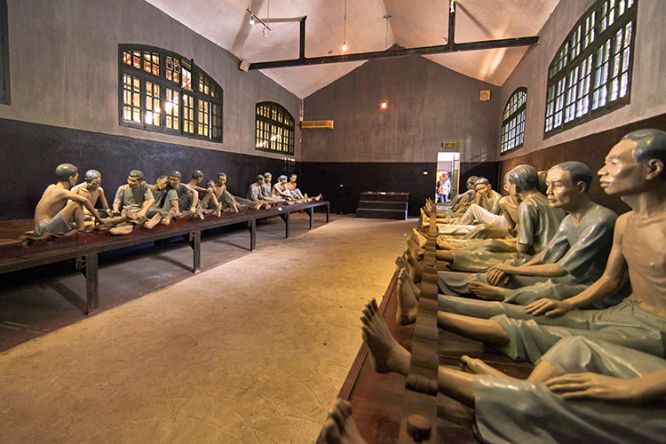
The Hoa Lo Prison Museum, also known as the “Hanoi Hilton,” is a thought-provoking destination. You can learn about Vietnam’s tumultuous history and the resilience of its people through exhibits and preserved artifacts. The museum provides a sobering yet insightful glimpse into the country’s past, making it a meaningful stop for history enthusiasts.
Cultural Richness and Modern Vibrancy
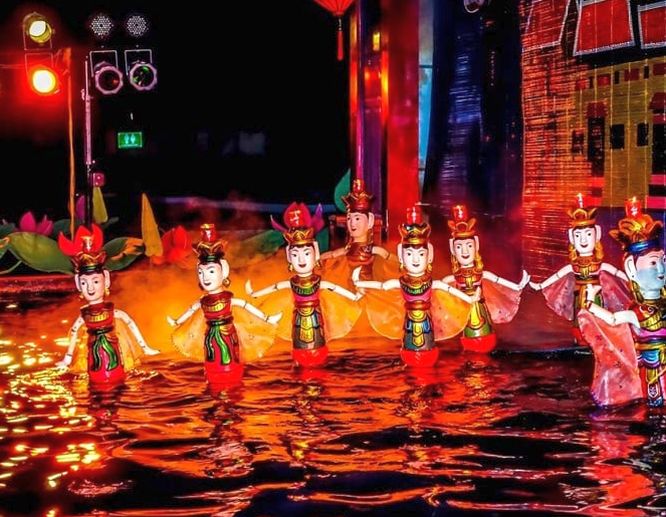
Hanoi’s cultural scene is both dynamic and deeply rooted in tradition. You might enjoy a performance at the Thang Long Water Puppet Theatre, an art form unique to Vietnam. The colorful puppets and live music narrate folktales and scenes from rural life, offering a delightful experience for all ages.
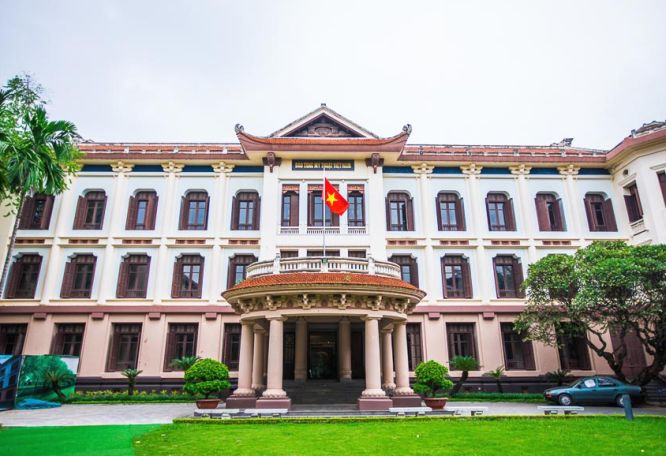
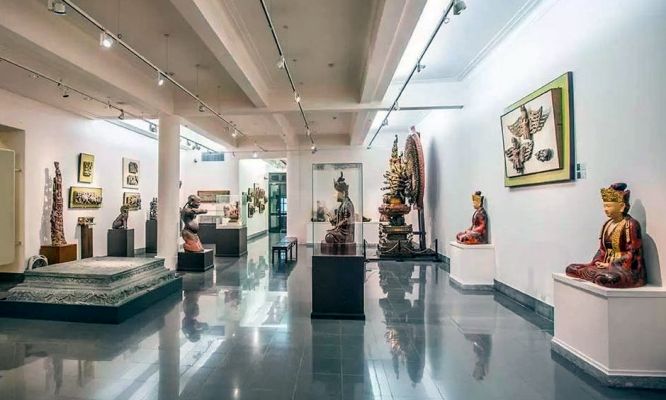
The city is also home to vibrant street markets and artisan shops, particularly in the Old Quarter. From handwoven textiles to traditional lacquerware, Hanoi’s markets offer a treasure trove of souvenirs. For art enthusiasts, a visit to the Vietnam Fine Arts Museum can be a wonderful way to explore the country’s artistic evolution.
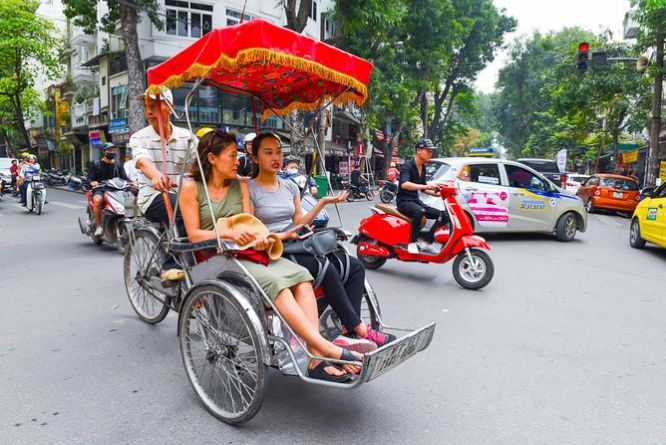
For a relaxing and unique way to explore Hanoi, you might enjoy a cyclo ride through the city’s vibrant streets. These traditional bicycle taxis allow you to take in the sights at a leisurely pace, from bustling markets to colonial architecture. A cyclo tour is perfect for first-time visitors, offering a convenient and charming introduction to Hanoi’s rich culture.
Visit the Vietnam Museum of Ethnology
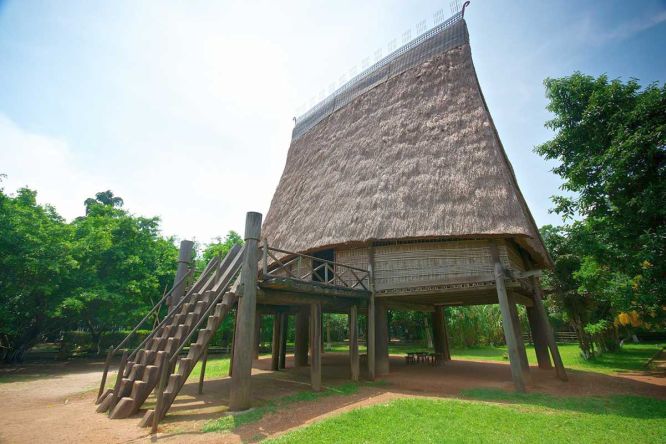
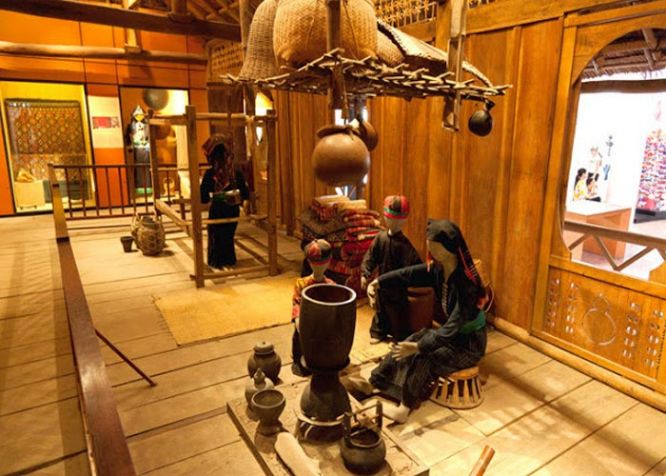
The Vietnam Museum of Ethnology is an excellent place to learn about the country’s diverse ethnic groups and cultural heritage. Through interactive exhibits, traditional artifacts, and outdoor displays of ethnic houses, you can gain a deeper understanding of Vietnam’s multicultural society. This museum offers an enriching experience for travelers interested in anthropology and local traditions.
Delight Your Taste Buds with Hanoi’s Cuisine
Hanoi is a culinary haven, renowned for its flavorful and diverse dishes. You may want to start with a steaming bowl of pho, Vietnam’s iconic noodle soup, available at street-side stalls and local eateries alike. Another must-try dish is bun cha, a delicious combination of grilled pork, rice noodles, and fresh herbs.
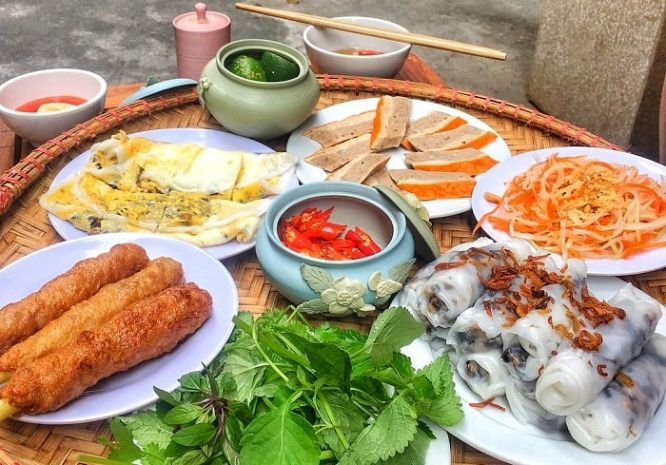
The city’s street food scene is unparalleled, with vendors serving up everything from crispy banh xeo (Vietnamese pancakes) to refreshing che (sweet dessert soups). For coffee lovers, Hanoi is famous for its unique egg coffee, a creamy and sweet beverage that is a true delight.
Nature and Relaxation in Hanoi
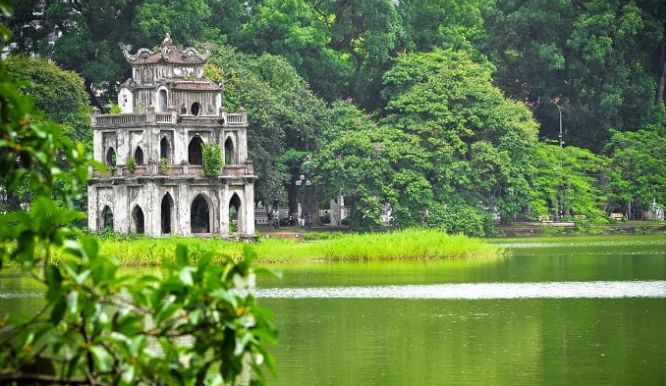
Amid the city’s hustle and bustle, Hanoi offers serene spots to unwind. You may find tranquility at Hoan Kiem Lake, located in the heart of the city. The lake’s iconic Turtle Tower and Ngoc Son Temple are the main attractions. This place is surrounded by lush greenery, making it the perfect place for a morning walk or evening relaxation.
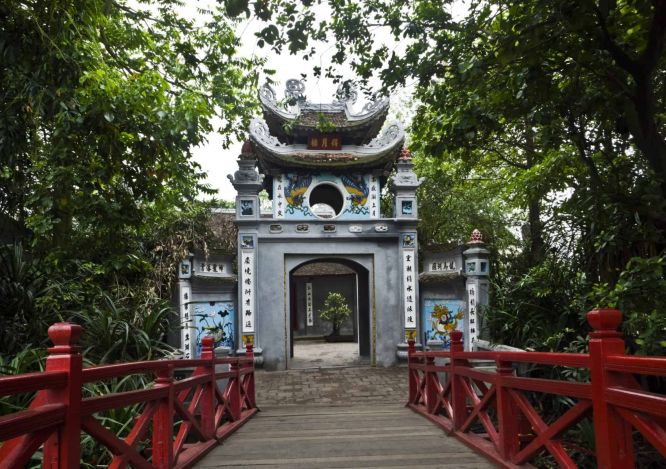
This sacred site offers insight into Vietnamese spiritual life and provides a tranquil escape from the city’s hustle and bustle. At sunrise or sunset, the lake becomes a favorite spot for locals practicing Tai Chi, offering a glimpse into daily life in Hanoi.
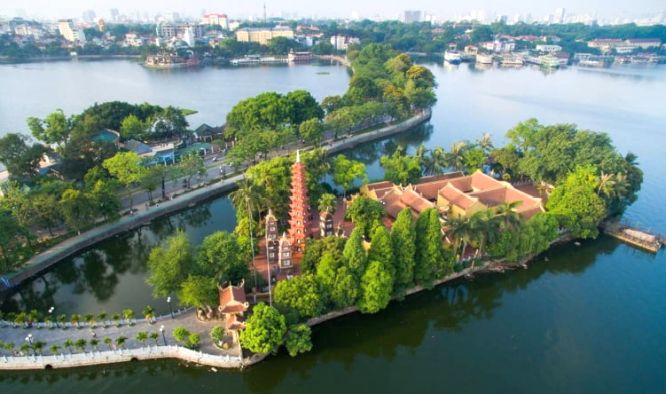
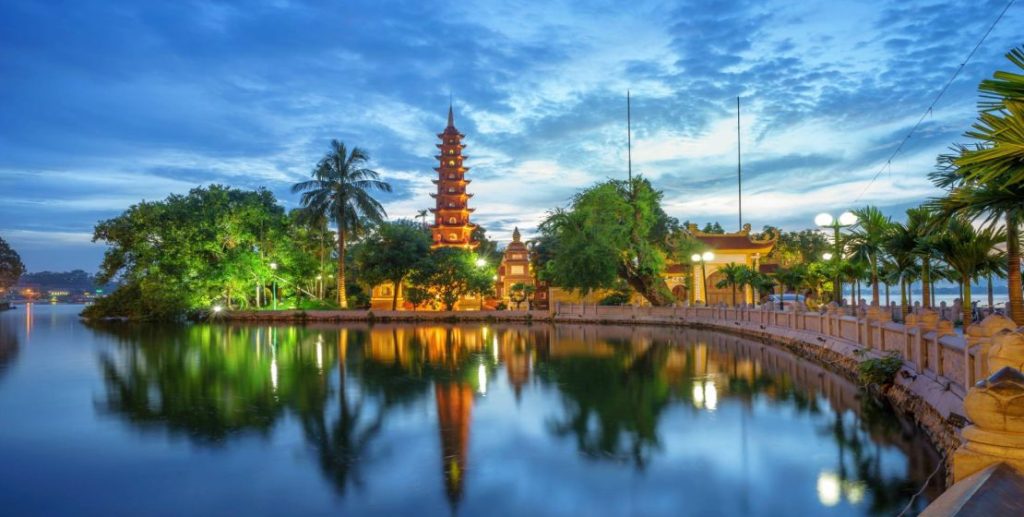
Another peaceful escape is West Lake (Tay Ho District), Hanoi’s largest freshwater lake. West Lake is Hanoi’s largest freshwater lake, offering a serene retreat from the bustling city. You might enjoy a boat ride, visit Tran Quoc Pagoda, or simply relax at one of the many cafes overlooking the water.
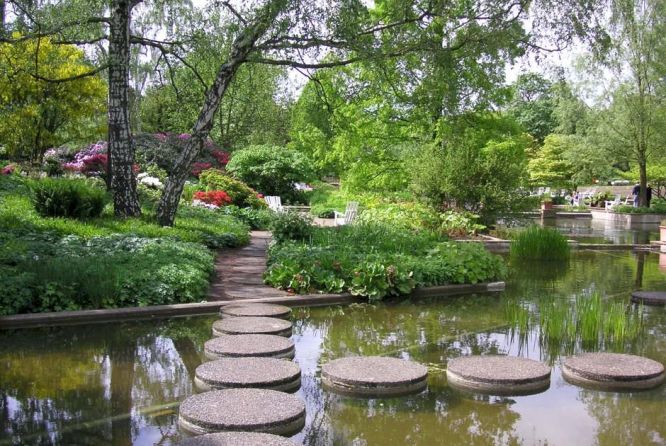
The area is also known for its luxury restaurants. A great option to end your day with an unforgettable meal and magnificent views. For a deeper connection with nature, consider visiting the Botanical Gardens, a haven for those seeking a quiet respite.
Ha Long Bay: Heaven Near Hanoi
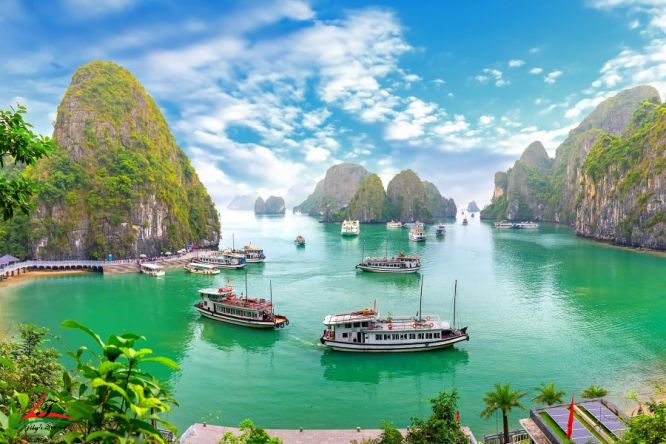
Ha Long Bay, located about 170 kilometers east of Hanoi, is a UNESCO World Heritage Site celebrated for its stunning seascape of over 1,600 limestone islands rising from emerald-green waters. Visitors can embark on a cruise to explore hidden caves, floating fishing villages, and tranquil beaches. The bay’s mystical beauty, especially during sunrise or sunset, offers a serene and unforgettable experience. A trip to Ha Long Bay is an essential addition to any itinerary when visiting northern Vietnam.
Practical Tips for Exploring Hanoi
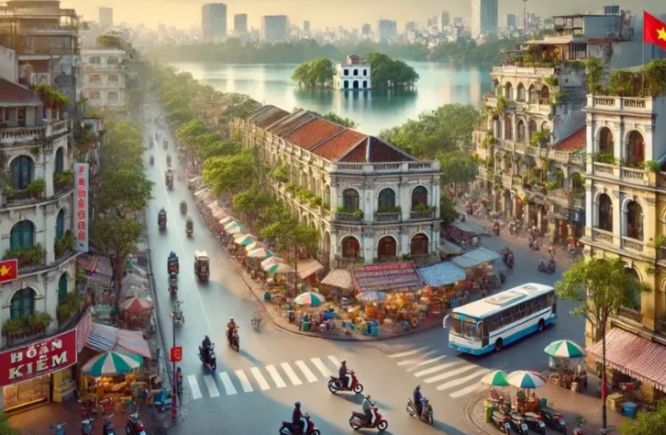
- When to Visit: The best time to visit Hanoi is when the weather is nice and the rainfall is decreasing. These are the spring (March-May) and autumn (September-November) periods when the city is most active.
- Getting Around: Hanoi’s streets are best explored on foot or by cyclo, a traditional pedicab. Taxis and motorbike taxis are also convenient options for longer distances.
- Respect for Culture: When visiting religious sites, dress modestly and observe local customs, such as removing your shoes before entering temples.
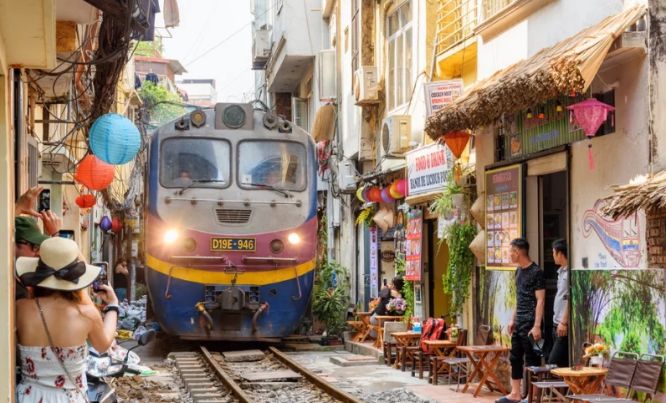
- Attention for Traffic: Traffic is quite heavy in Hanoi. Traffic rules are not paid much attention either. Moreover, trains pass through its narrow streets. Therefore, you need to walk carefully on the streets and avenues.
Like many cities in Indochina, Hanoi opens the door to a completely different travel experience. From the very beginning, the city invites you to immerse yourself in the unique culture and daily life of East Asia. Meanwhile, Hanoi blends its rich history with modern life in a remarkably natural way. As you wander through its lively streets, every corner reveals another piece of Vietnam’s story. All you need to do is slow down and embrace the city’s unique spirit and perspective.
Visit for Hanoi Hotels: Click
For your choice of restaurants in Hanoi: Click