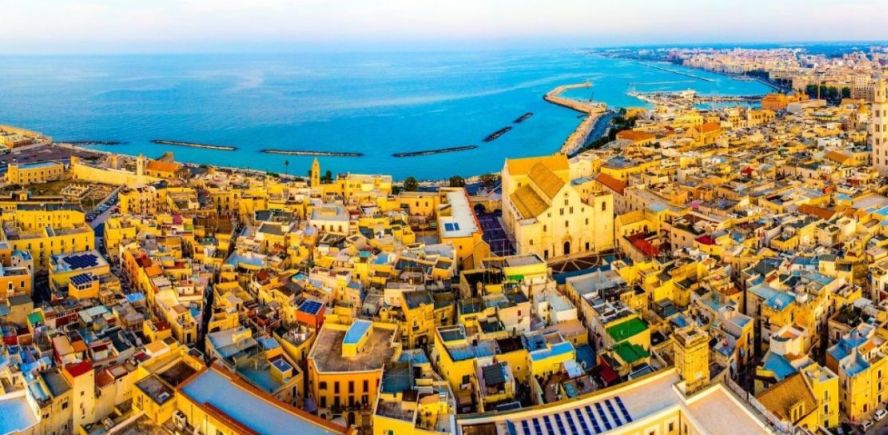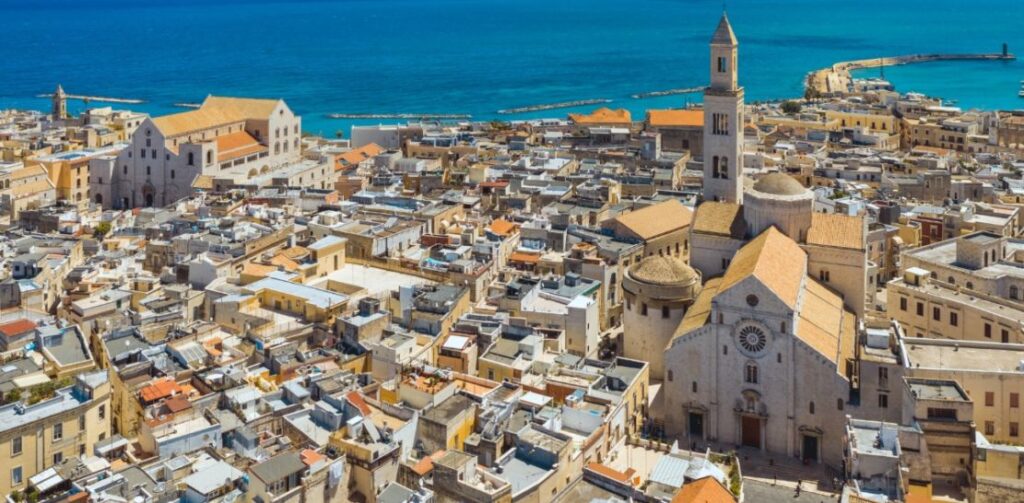
Bari is the capital of Puglia and one of the most important cities on Italy’s Adriatic coast. Its history stretches across centuries of trade, religion, migration, and maritime connections. Yet Bari is not only a city of historic monuments. Its narrow streets, small squares, seafront, markets, and local kitchens reveal another side of life in southern Italy.
The city is especially interesting because its old and modern districts stand close to one another. Within a short walk, medieval churches give way to grand theatres, busy streets, and open views of the Adriatic. As a result, Bari offers a compact introduction to the history and everyday character of Puglia.
Wander Through Bari Vecchia
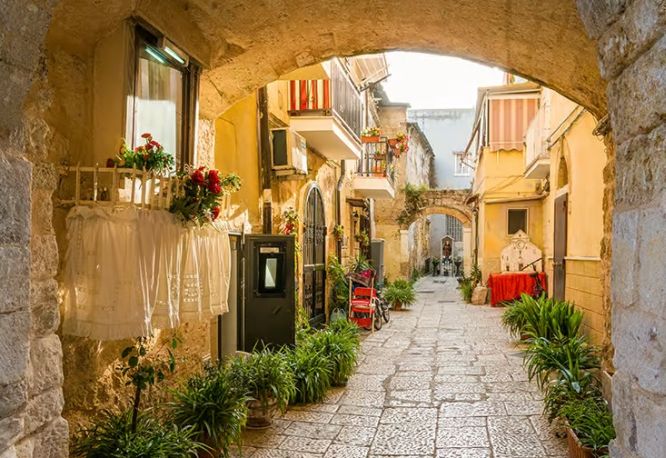
Bari Vecchia, the city’s historic old town, is the natural place to begin exploring Bari. Its narrow streets wind between stone houses, churches, small courtyards, and quiet corners. At times, the layout feels almost unchanged from another era.
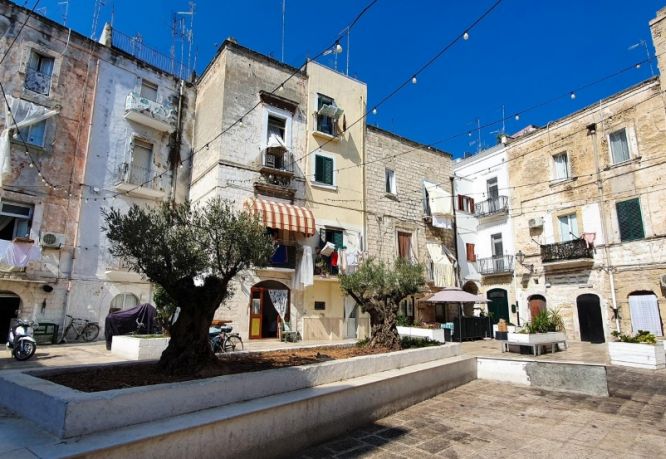
However, Bari Vecchia is not simply an open-air museum. People still live here, children play in the streets, and neighbours meet outside their homes. Because of this, walking through the district offers a glimpse of everyday Bari as well as its medieval past.
Discover the World of Orecchiette on Via Arco Basso
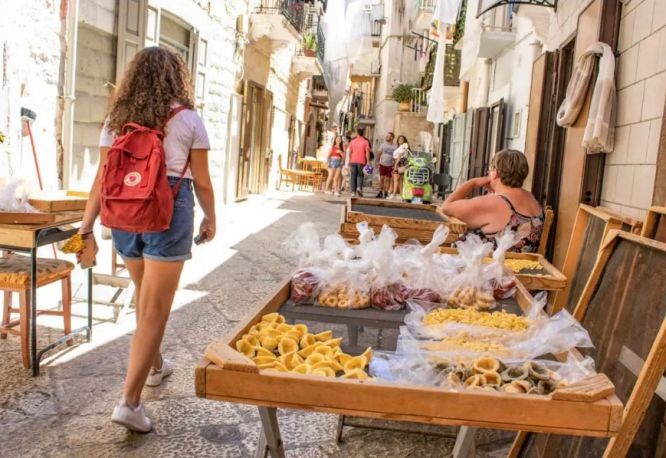
One of Bari’s most recognizable local traditions can be found on Via Arco Basso. The small street has become closely associated with women preparing orecchiette, the ear-shaped pasta that represents Puglian cuisine.
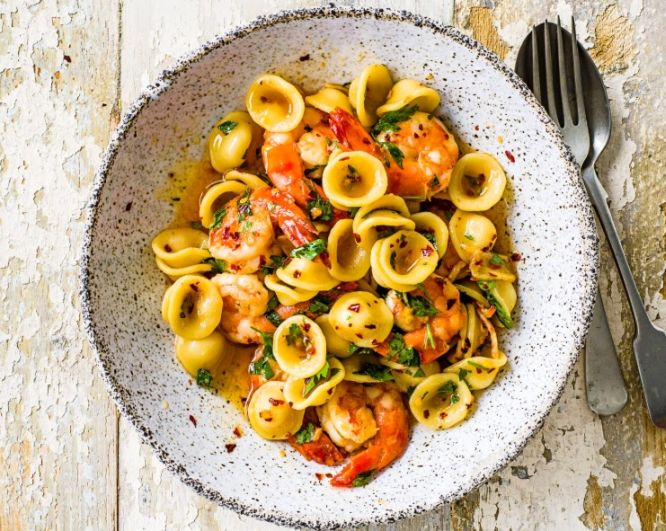
The scene is particularly interesting because pasta making remains part of ordinary local life. Rather than watching a staged demonstration, visitors may encounter a tradition continuing within the neighbourhood itself.
Basilica di San Nicola
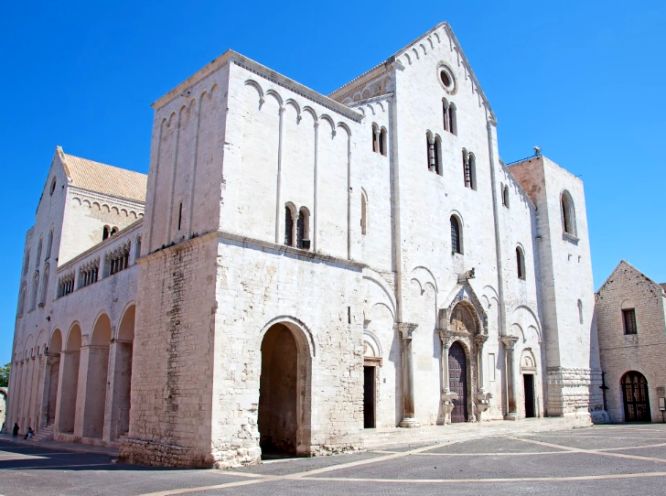
The Basilica di San Nicola is one of Bari’s most important religious landmarks. The true hometown of Saint Nicholas also known in popular culture as Santa Claus is the Demre district of Antalya. Centuries after his death, in the 11th century, his remains were removed from the church in Demre and taken to Bari. Construction began in the 11th century, and the church became an important destination for pilgrims because it houses the relics of Saint Nicholas.
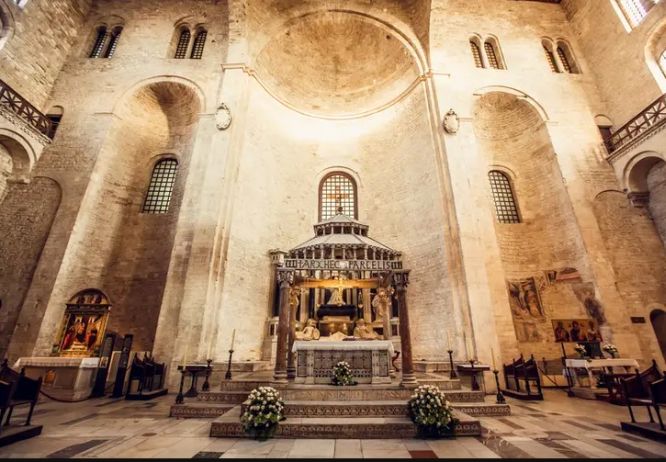
Its Romanesque architecture gives the building a solid and restrained appearance. Inside, however, centuries of religious history become more visible through its artwork, crypt, and sacred spaces. Moreover, the basilica has a special connection with both Western and Eastern Christian traditions.
Cathedral of San Sabino
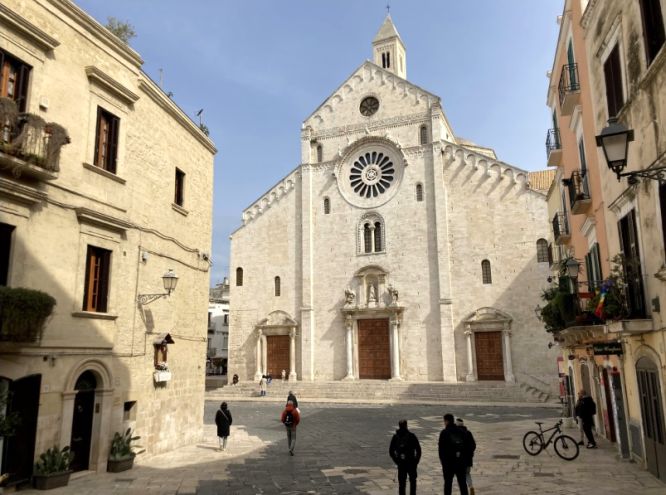
The Cattedrale di San Sabino offers another important example of Bari’s Romanesque architecture. Although it often receives less attention than the Basilica di San Nicola, the cathedral is an essential part of the historic centre.
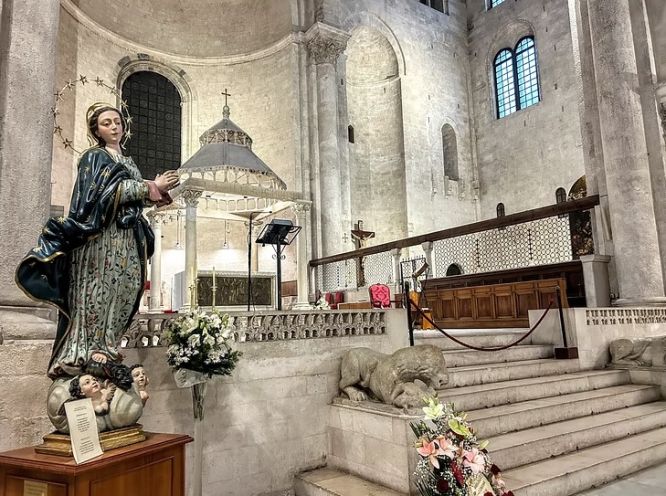
Its pale stone exterior fits naturally into the streets of Bari Vecchia. Inside, the crypt and architectural details provide further evidence of the city’s long religious history. Therefore, visiting both churches gives a fuller picture of medieval Bari.
Piazza Mercantile
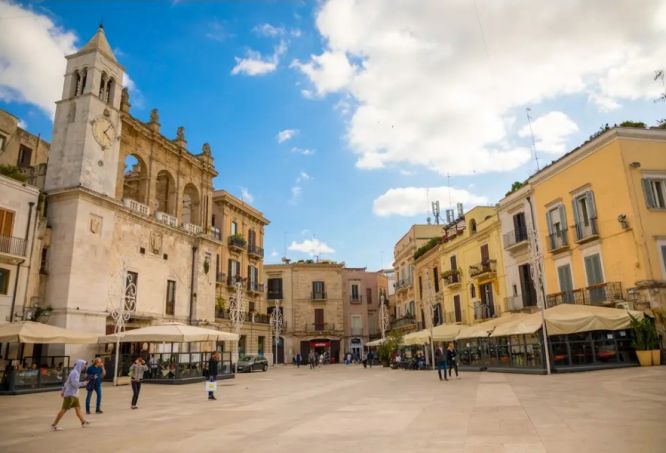
Piazza Mercantile has played an important role in the civic and commercial life of Bari for centuries. The square stands near the old harbour and is surrounded by historic buildings that reflect the city’s former importance as a trading centre.
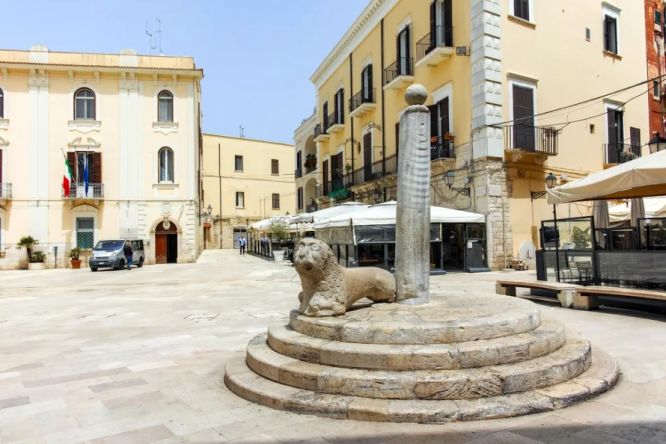
Today, its atmosphere is more social than commercial. Cafés, restaurants, pedestrians, and local gatherings bring the square to life, especially later in the day. Meanwhile, details such as the historic buildings and the famous Column of Justice quietly preserve memories of Bari’s past.
Castello Svevo
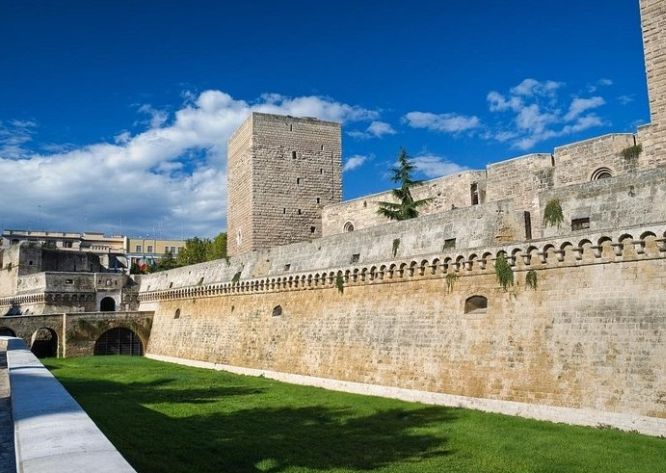
Castello Svevo, also known as the Swabian Castle, stands on the edge of Bari’s old town. The fortress reflects several periods of the city’s history and has undergone changes since its medieval construction.
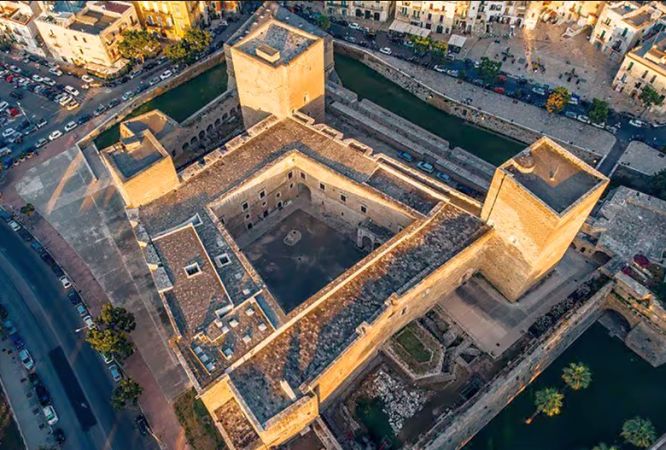
Its massive walls and defensive appearance contrast with the narrow residential streets nearby. Inside, exhibitions and cultural events sometimes provide another reason to explore the complex. In addition, the castle helps explain Bari’s strategic position along the Adriatic.
Teatro Petruzzelli
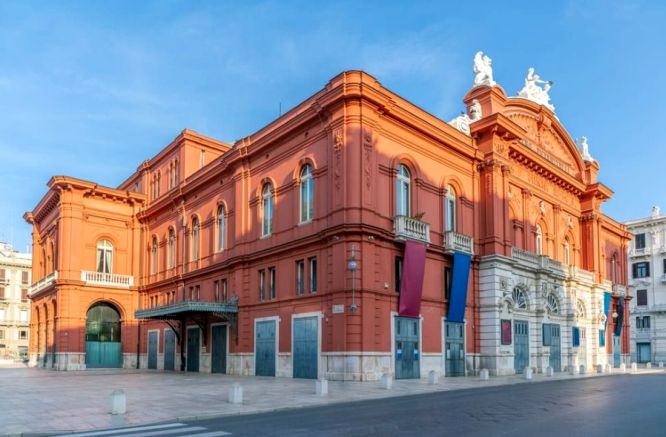
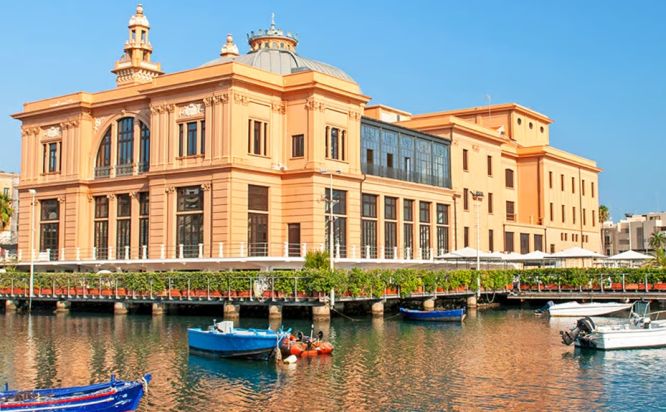
Bari’s history is not limited to medieval buildings. Teatro Petruzzelli represents the city’s later cultural development and remains one of its most recognizable landmarks.
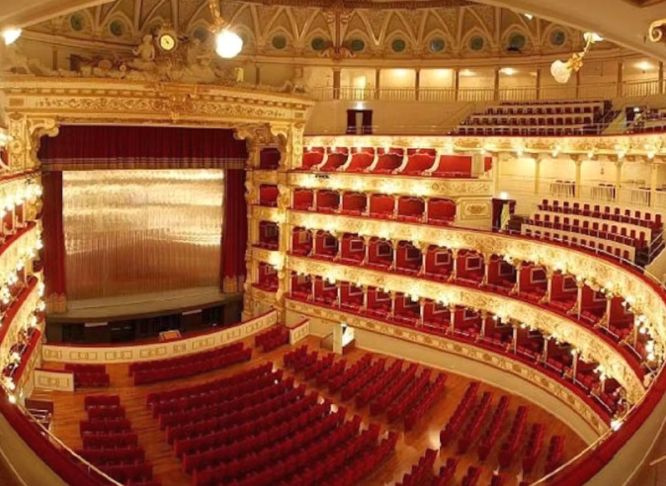
The theatre opened in 1903 and became an important venue for opera, concerts, and major performances. After a devastating fire in 1991, it eventually reopened in 2009. Today, its history adds another layer to Bari’s cultural identity, connecting the city with Italy’s broader theatrical tradition.
Lungomare Nazario Sauro
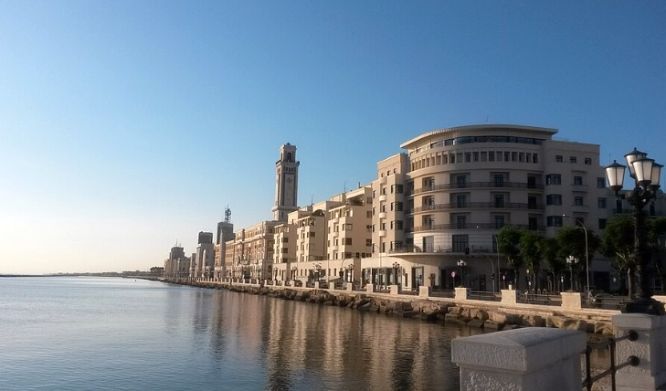
For a different view of Bari, the Lungomare Nazario Sauro follows the Adriatic waterfront. The promenade provides an open contrast to the enclosed streets of Bari Vecchia.
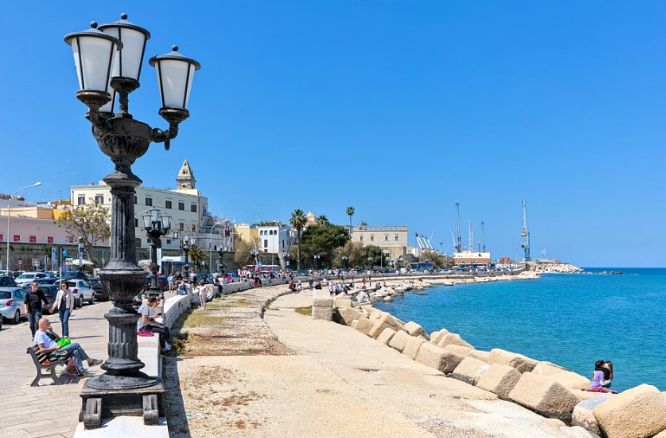
During the day, the sea and wide horizon create a quieter atmosphere. Later, residents often gather along the waterfront, especially when the weather is pleasant. Thus, the Lungomare is not only a scenic route but also an important part of local urban life.
Discover Bari Beyond the Historic Centre
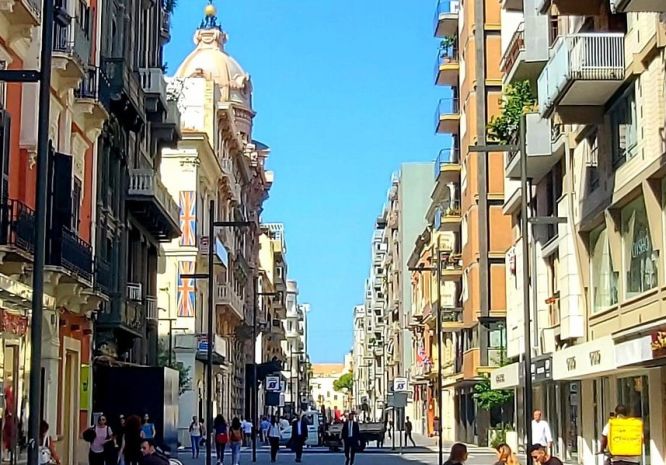
Beyond Bari Vecchia, the Murat Quarter reveals a more modern side of the city, with its broad streets, elegant buildings, and lively urban atmosphere. Via Sparano runs through this district and is one of Bari’s main streets, combining historic architecture with shops, cafés, and everyday city life.
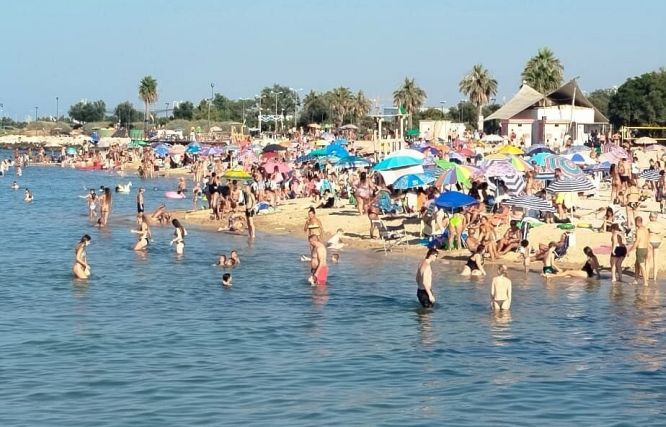
Pane e Pomodoro Beach
As you continue toward the coast, the atmosphere gradually changes again at Pane e Pomodoro Beach, a popular seaside area close to the city centre. Here, the Adriatic becomes part of Bari’s daily rhythm, especially during the warmer months. Together, these places show how Bari extends beyond its medieval core, blending historic neighbourhoods, modern streets, and life by the sea.
Taste the Flavors of Apulian Cuisine

Focaccia Barese
The local cuisine favors simplicity and rich flavors, highlighting sweet olive oil, ripe sun-drenched tomatoes, crisp vegetables, and fresh seafood.
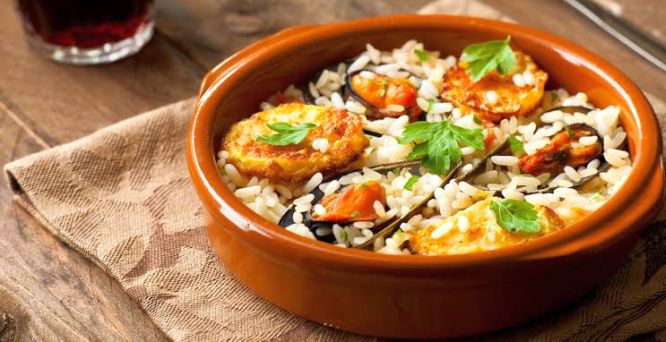
Tiella
- Focaccia Barese: A warm, fluffy bread topped generously with cherry tomatoes, green olives, oregano, and olive oil.
- Orecchiette con Cime di Rapa: Fresh pasta served with turnip tops, garlic, anchovies, and olive oil.
- Tiella: A delicious baked dish layered with rice, potatoes, and fresh mussels.
Discover the Trulli of Nearby Alberobello
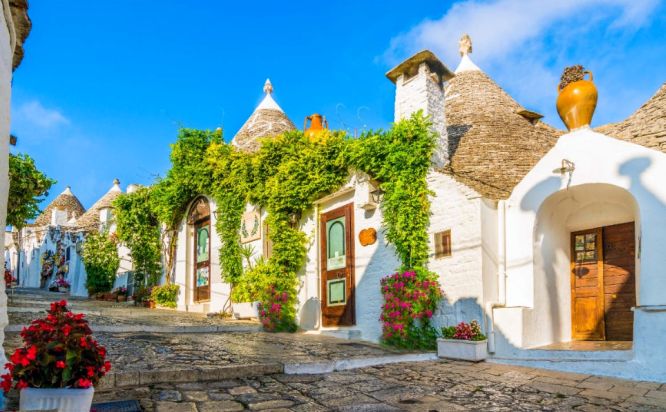
Although Alberobello is outside Bari, its famous trulli provide a useful introduction to the wider culture of Puglia. These distinctive stone buildings have conical roofs and represent one of the region’s most recognizable architectural traditions.
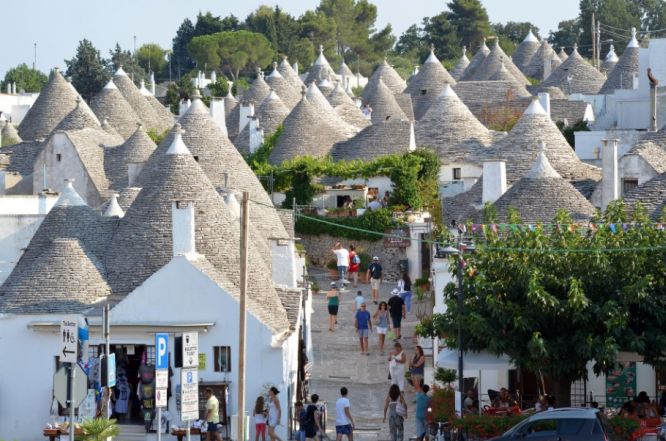
The journey also places Bari within a larger regional landscape. Beyond the city, Puglia becomes a mixture of small towns, olive groves, coastal settlements, and historic villages. Therefore, a visit to Bari can serve as a starting point for understanding the character of southern Italy beyond the city itself.
Best Time to Visit & Local Transport in Bari
| Topic | Quick Advice | Useful Tips |
| Best Time to Visit | May–June & September–October | Enjoy warm sunny weather, pleasant sea swimming, and smaller crowds compared to July–August heat. |
| Walking Around | Explore on foot | Bari Vecchia and the Murat district are compact and best explored by walking. |
| Public Transit | AMTAB Buses | Buy city bus tickets at Tabacchi shops in advance to save money. |
| Cycling & Scooters | Bike rentals & E-scooters | Use the Lungomare promenade bike paths for smooth scenic rides. |
Bari as a Window into Puglia
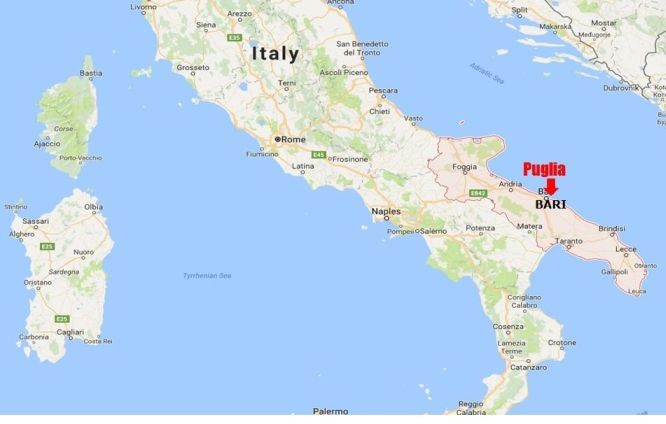
Bari is perhaps most interesting when its different layers are considered together. Medieval churches stand close to lively squares, while an old fortress overlooks streets filled with contemporary life. At the same time, the Adriatic remains a constant presence beside the city.
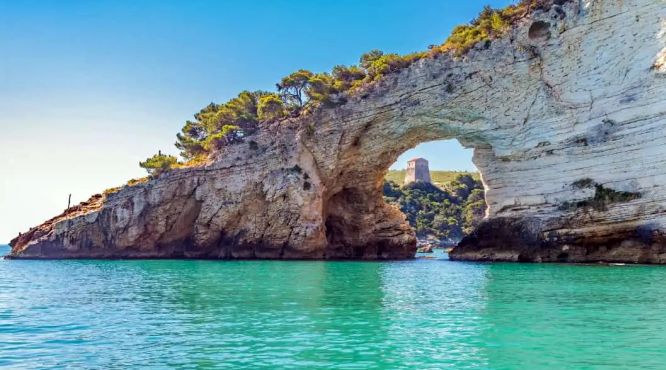
Arco di San Felice (Gargano Peninsula and National Park, Northwest Puglia, approximately 175 km from Bari)
Rather than presenting Bari as simply a destination for a short holiday, these places reveal how the city developed through religion, trade, architecture, food, and everyday life. For anyone curious about Italian cities and the cultures that shaped them, Bari offers a compact but remarkably varied story.