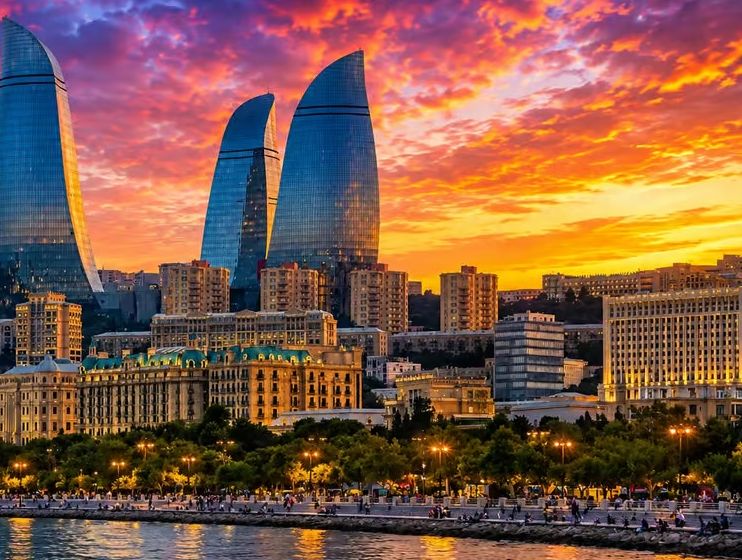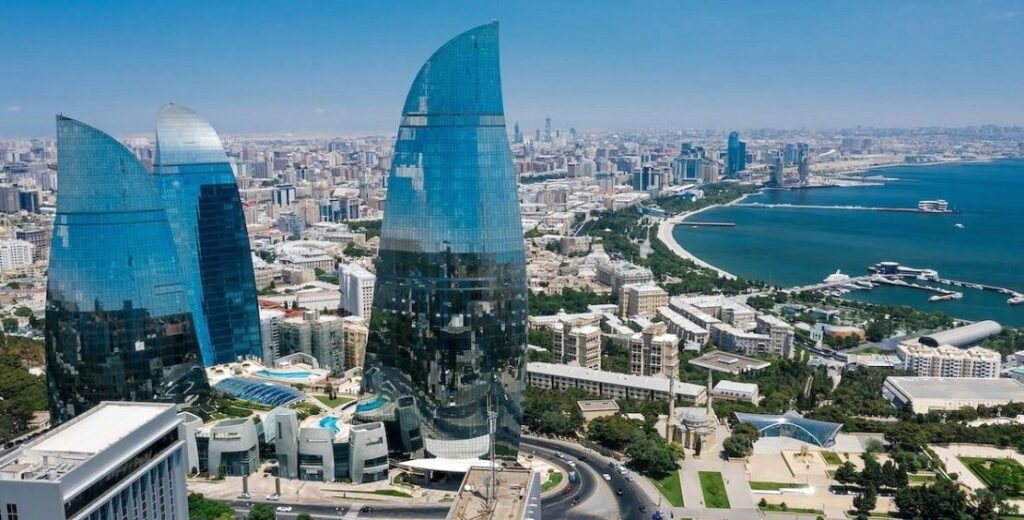
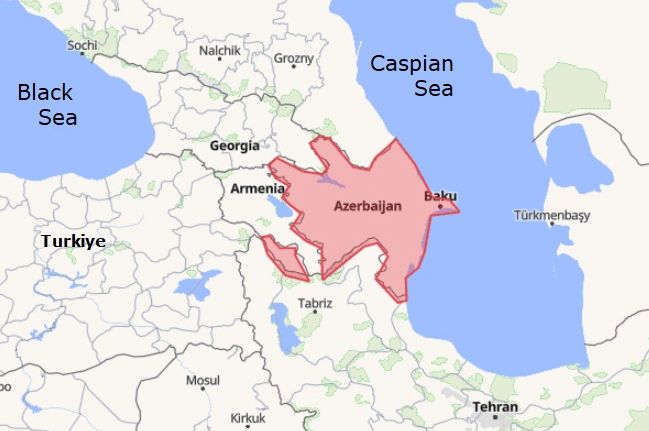
Baku is the capital and largest city of Azerbaijan, located on the western shore of the Caspian Sea. The city combines centuries-old architecture with modern skyscrapers, lively boulevards, and a rapidly changing urban landscape. Above all, the city provides a fascinating meeting point between the traditions of the Caucasus, the influence of the Caspian Sea, and the energy of a modern capital.
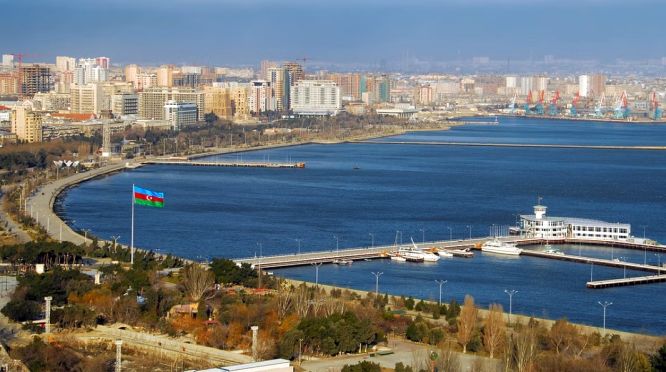
Known as the “City of Winds,” Baku has a distinctive atmosphere shaped by the sea, its oil heritage, and its position between Europe and Asia. Moreover, its historic center and futuristic architecture make the city particularly interesting for travelers interested in culture and urban history.
Explore Icherisheher
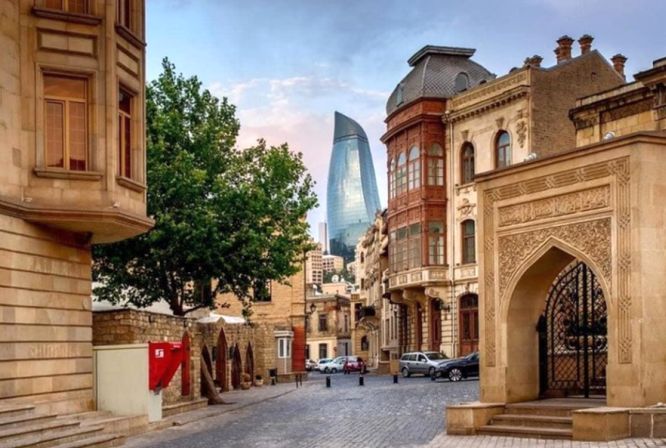
Icheri Sheher, or the Old City, is the historic heart of Baku. Surrounded by ancient walls, its narrow streets contain traditional houses, historic mosques, small courtyards, and centuries-old buildings.
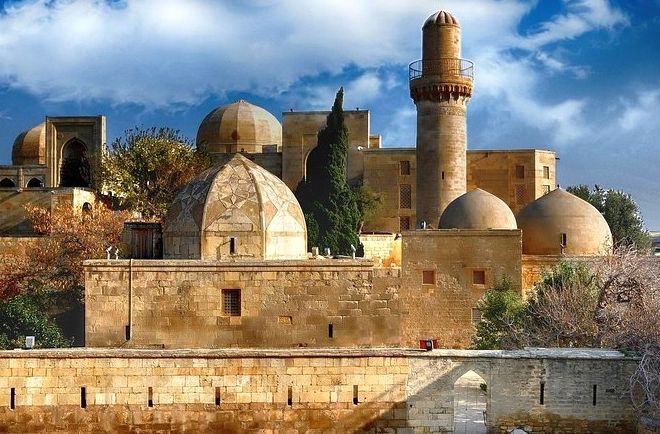
Palace of the Shirvanshahs
Most importantly, the area includes the Maiden Tower and the Palace of the Shirvanshahs. Together, these landmarks reveal Baku’s long history as an important city on regional trade routes.
Maiden Tower
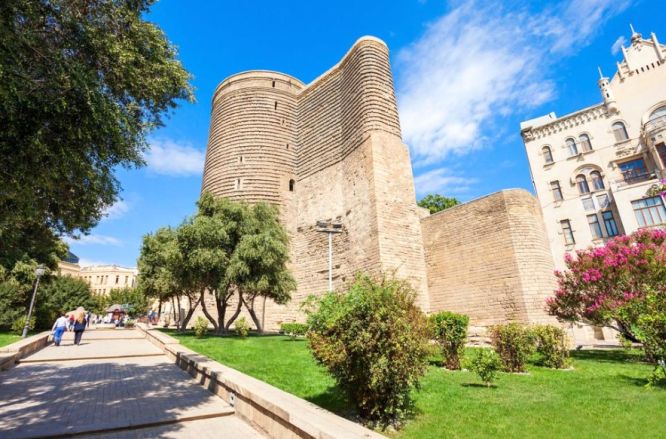
The Maiden Tower is one of Baku’s most recognizable landmarks. Standing within the Old City, this massive stone structure has become one of the main symbols of Azerbaijan.
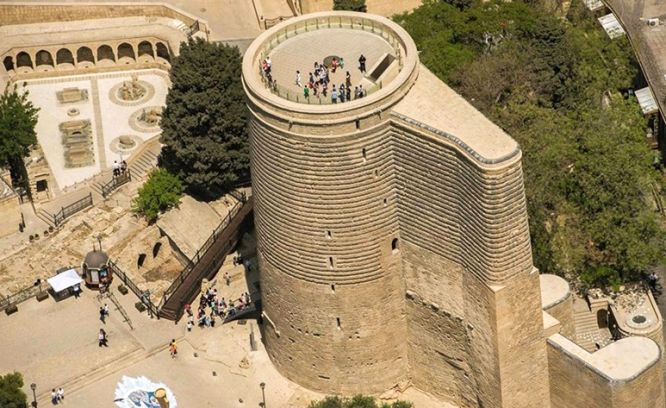
However, its exact origins and original purpose remain subjects of debate. Consequently, the tower has an intriguing sense of mystery in addition to its historical importance.
Heydar Aliyev Center
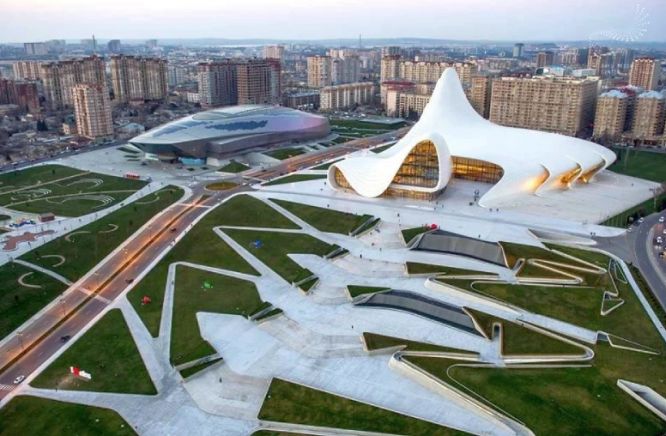
The Heydar Aliyev Center provides a striking contrast to Baku’s historic architecture. Designed by architect Zaha Hadid, its flowing white curves create one of the city’s most recognizable modern landmarks.
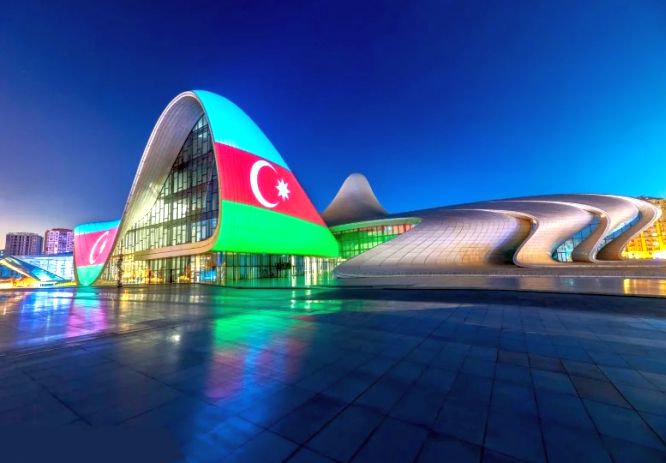
Inside, you can explore fascinating exhibitions celebrating Azerbaijani culture, history, and international art. Outside, the pristine white curves invite photographers to capture striking geometric angles against the Baku sky.
Walk Along Baku Boulevard
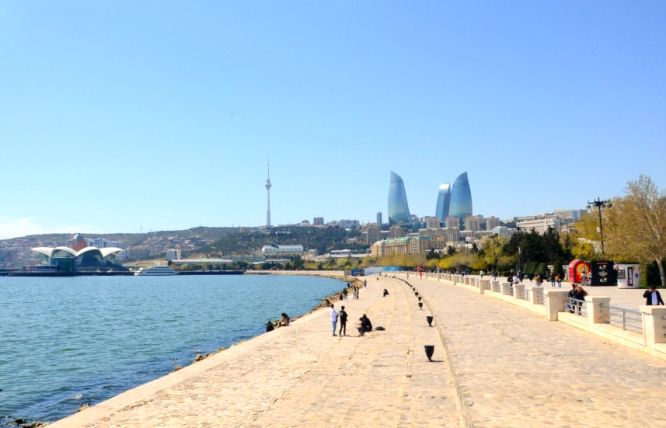
Baku is fundamentally a seaside city, and its heartbeat pulses along the Baku Boulevard. This expansive seaside promenade stretches for miles along the Caspian coastline, offering lush parks, tranquil fountains, and charming cafes.
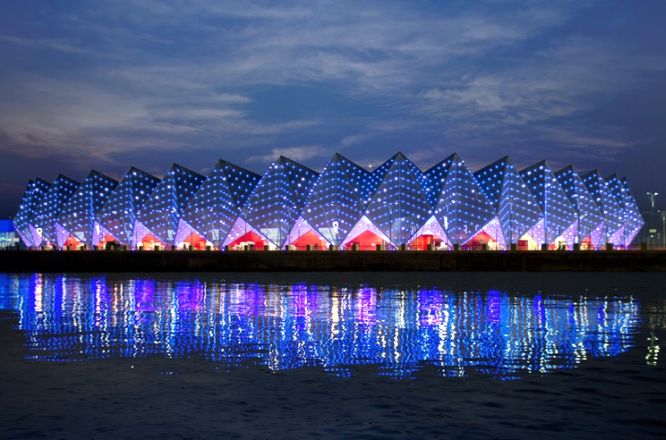
Crystal Hall
Rent a bicycle or simply take a leisurely afternoon stroll. You will pass locals enjoying the sea breeze, children laughing near miniature canals (affectionately known as “Little Venice“), and modern shopping hubs like the Baku Crystal Hall in the distance.
Flame Towers
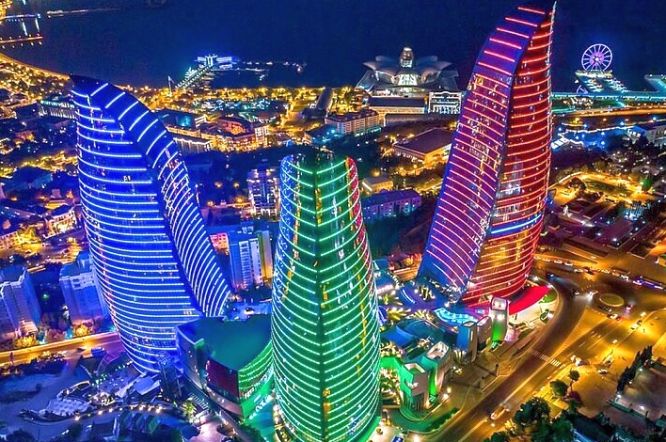
No skyline defines modern Baku quite like the Flame Towers. These three massive, torch-shaped skyscrapers dominate the city landscape, paying homage to Azerbaijan’s ancient title as the “Land of Fire.”
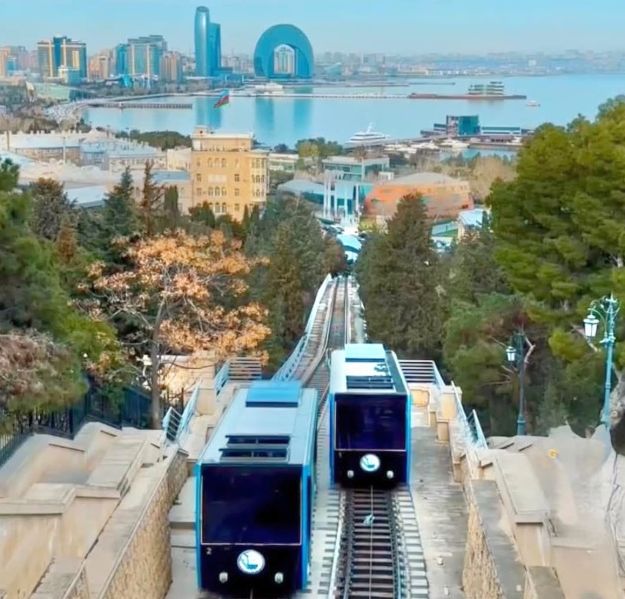
Highland Park Funicular
As dusk settles, thousands of high-resolution LED screens ignite the towers, transforming them into giant, dancing flames that flicker across the night sky. For the best view of this light spectacle—and a sweeping panoramic vista of the entire bay—ride the funicular up to Highland Park.
Discover Baku’s Oil Heritage
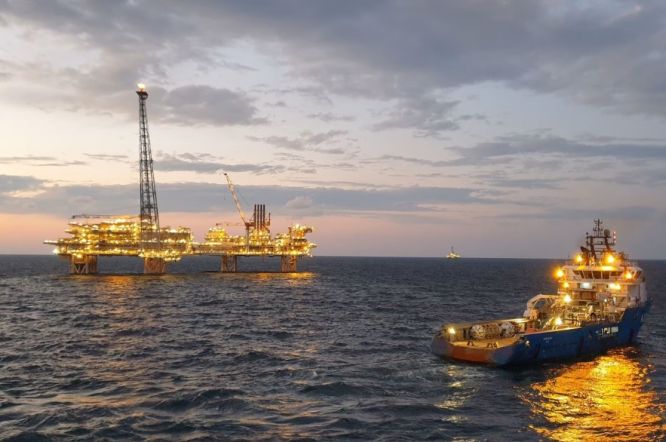
Oil has played a major role in Baku’s development. During the late 19th and early 20th centuries, the city experienced rapid economic growth as oil production transformed its economy and architecture.
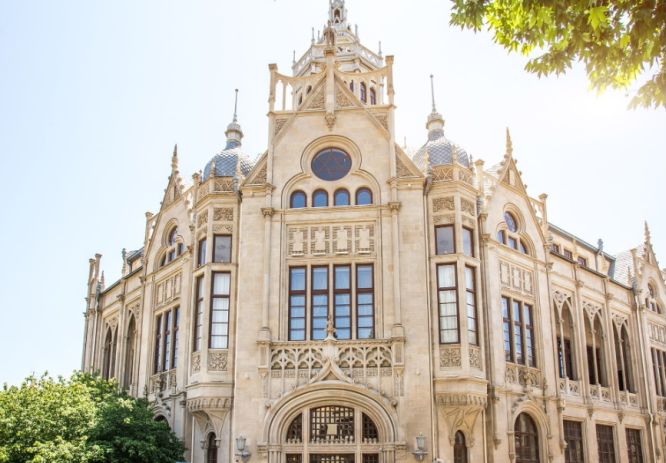
As a result, central Baku contains grand buildings influenced by European architectural styles. This combination of local traditions and international influences gives the city much of its distinctive character.
Visit Ateshgah, Yanar Dagh and Gobustan
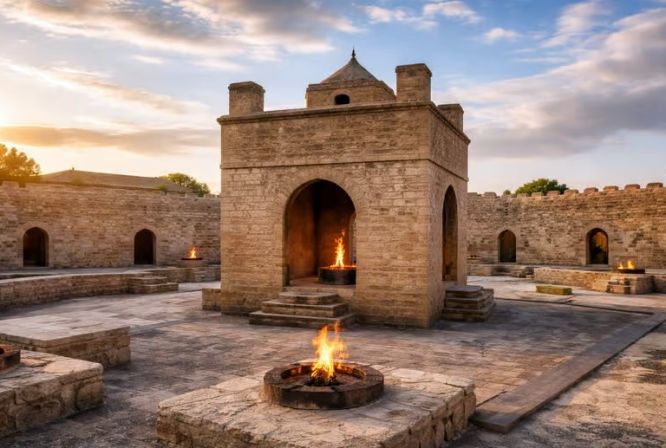
Ateshgah
Azerbaijan’s deep connection to natural gas and fire shapes its unique landscape. Just a short drive outside the city center, you can visit Ateshgah, the ancient Fire Temple where Zoroastrian pilgrims once worshipped eternal flames.
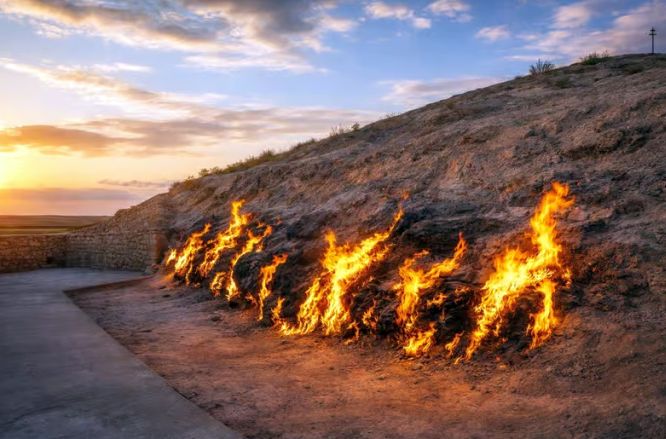
Yanardag
Continue your journey to Yanar Dagh (or “Yanardag” Eng: Burning Mountain), a natural hillside where flames blaze continuously from a porous sandstone slope, completely unfazed by rain or snow. Witnessing this eternal fire firsthand leaves an unforgettable impression.
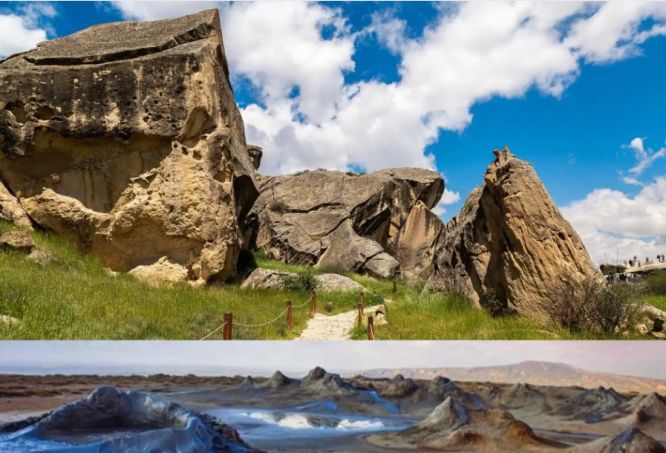
Gobustan
Gobustan, meanwhile, offers prehistoric rock carvings and a landscape of mud volcanoes. Although these sites require a trip beyond the city center, they provide valuable insight into the wider cultural and geological heritage of the region.
Azerbaijani Cuisine
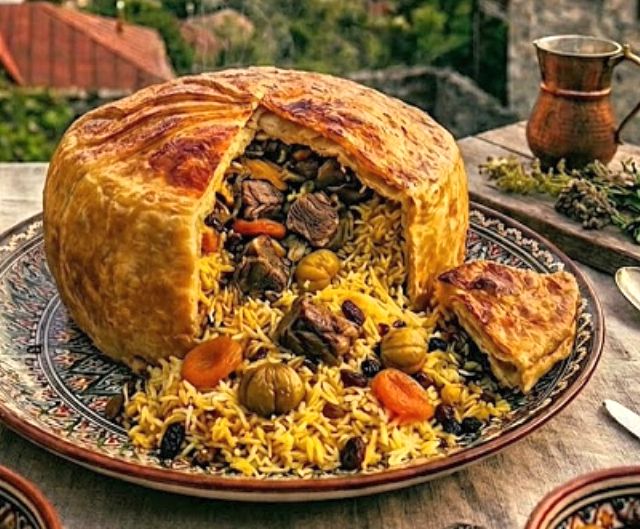
Azerbaijani plov
Food is another important part of experiencing Baku. Traditional dishes include plov, dolma, kebabs, qutab, and a variety of fresh herbs and local ingredients.
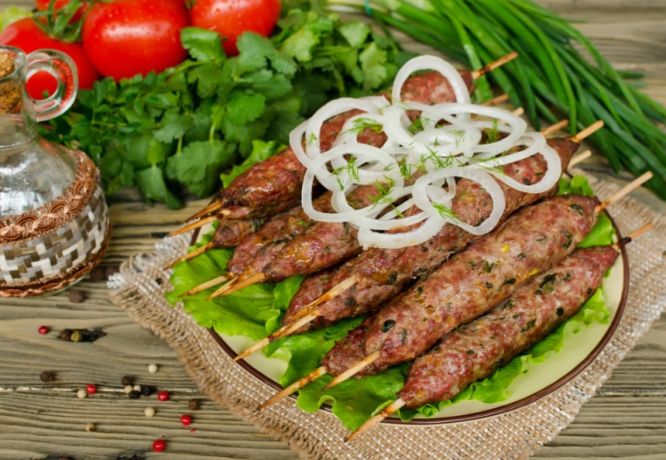
Azerbaijani kebab
For instance, you can visit a traditional restaurant and order “Plov” a slow cooked saffron rice dish layered with tender lamb, chestnuts, and dried fruits. Complement your meal with a cup of black tea served in a traditional pear-shaped glass, accompanied by sweet preserves or local walnuts. Your taste buds will thank you.
Essential Travel Tips for Baku
- Best Time to Visit: Spring (April to June) and Autumn (September to October) offer mild, pleasant weather ideal for exploring.
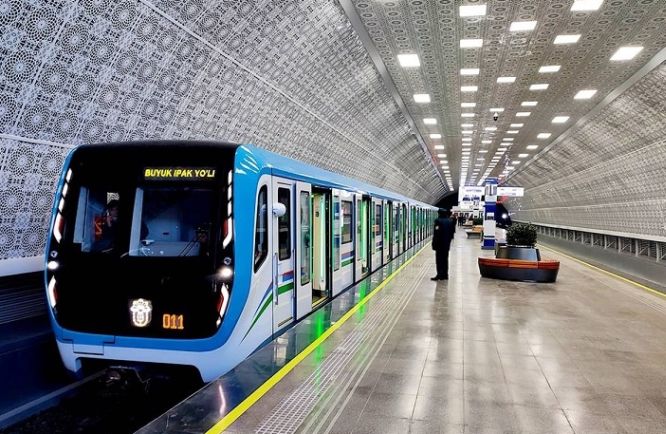
- Getting Around: The Baku Metro is clean, efficient, and exceptionally cheap. Taxis and ride-hailing apps are also widely available.
- Currency: The official currency is the Azerbaijani Manat (AZN). Carrying some cash for small artisan shops in the Old City is always wise.
Baku is a city that experienced the Soviet era in the 20th century and subsequently gained its independence. As a result, a rich synthesis of modern and traditional architecture has emerged in the city. Moreover, fueled by the wealth generated by Caspian oil, the city has taken on a dazzling and magnificent character. If you, too, wish to explore the streets and avenues swept by Baku’s winds, a trip to Azerbaijan awaits you.