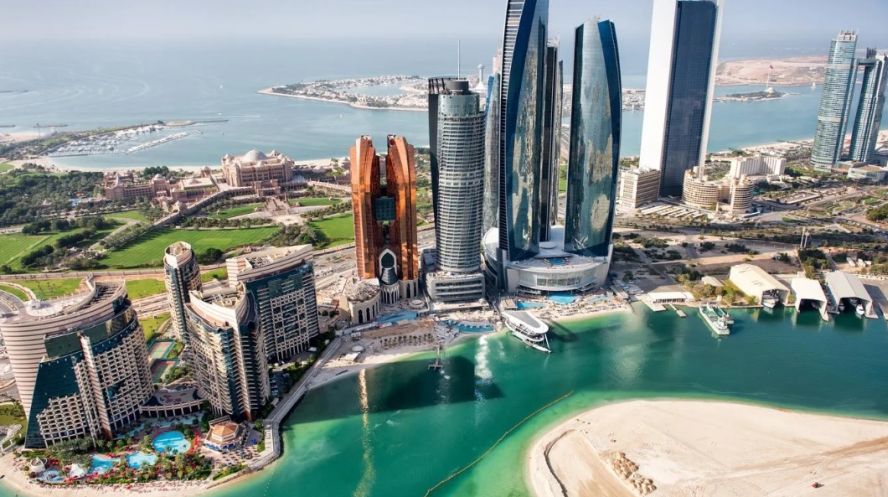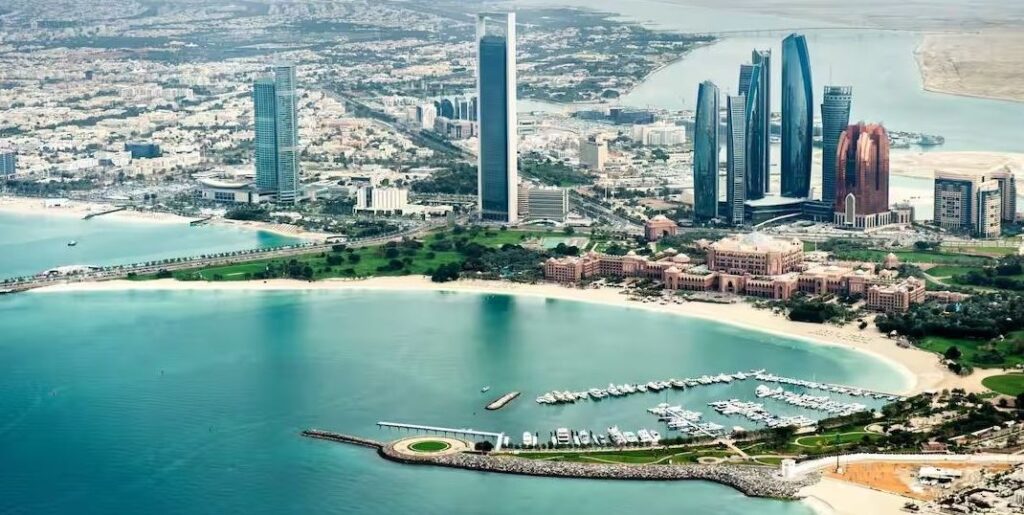
Imagine a city where golden desert sands meet turquoise waters, modern architecture rises beside historic forts, and ancient traditions remain part of everyday life. Welcome to Abu Dhabi, the capital of the United Arab Emirates and one of the commercial hubs of the Middle East.
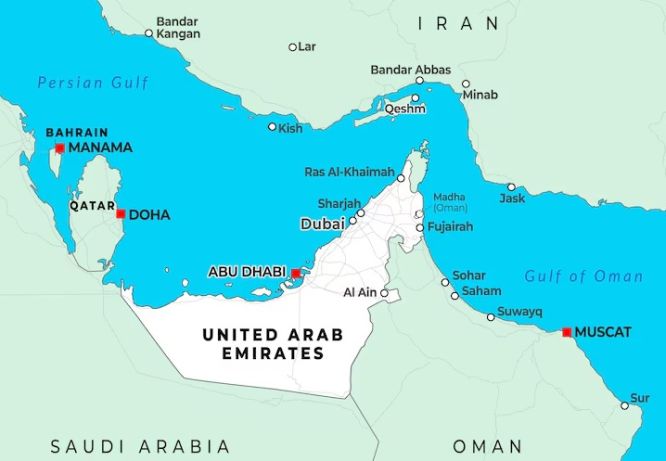
Located along the Arabian Gulf (or Persian Gulf), Abu Dhabi has transformed from a modest coastal settlement into a modern international city. Yet its history still lives on through pearl-diving traditions, desert heritage, and cultural landmarks.
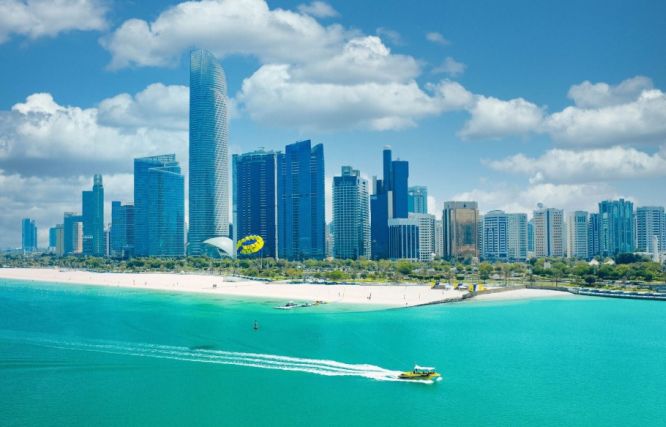
Beyond its impressive skyline, the city offers museums, peaceful waterfronts, traditional neighbourhoods, and natural landscapes. Although not as touristy as Dubai the most famous city in the United Arab Emirates, Abu Dhabi also stands out with its own unique characteristics. Let’s take a closer look at this Arabian city.
Sheikh Zayed Grand Mosque
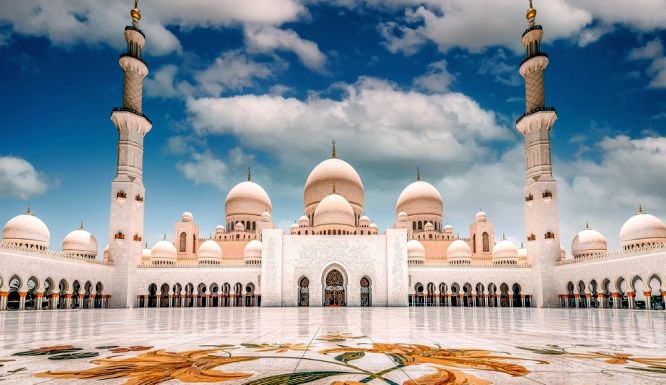
Sheikh Zayed Grand Mosque is one of Abu Dhabi’s most remarkable landmarks. Its white marble surfaces, elegant domes, reflective pools, and intricate decorations create an unforgettable sight.
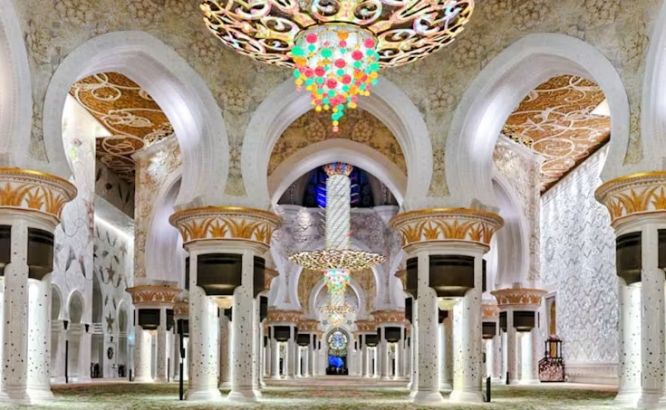
Inside, enormous chandeliers and detailed designs showcase exceptional craftsmanship. Visit in the late afternoon to see the marble glow beneath the changing sunlight. Remember to follow the mosque’s dress code and visitor guidelines.
Qasr Al Watan
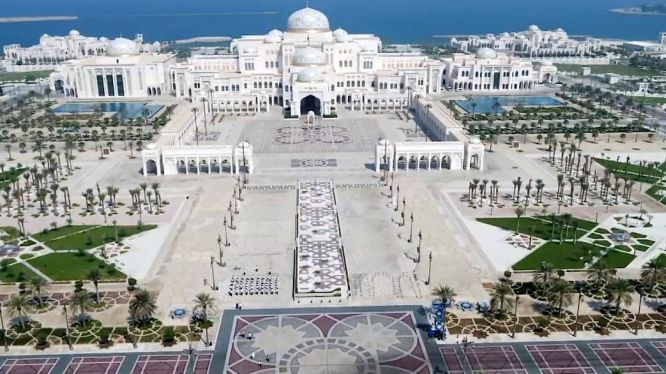
Qasr Al Watan, the presidential palace, offers a fascinating introduction to Emirati heritage and governance. Its grand halls, enormous dome, and traditional decorative details reflect the country’s cultural identity.
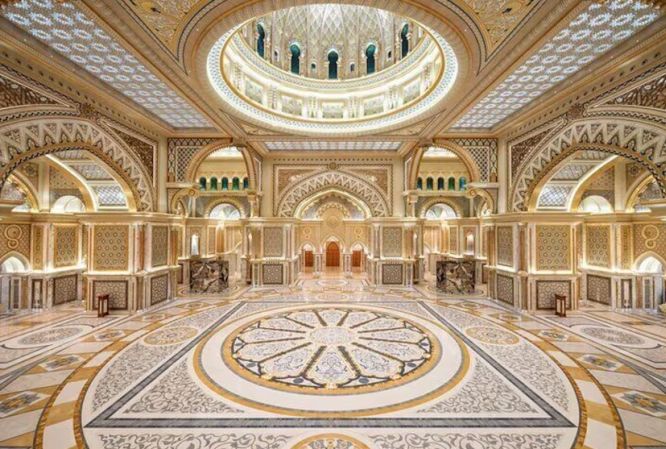
Exhibitions also explore Arab knowledge, craftsmanship, and the institutions that shape the UAE. Walking through the palace reveals how tradition continues to influence modern national identity.
Louvre Abu Dhabi
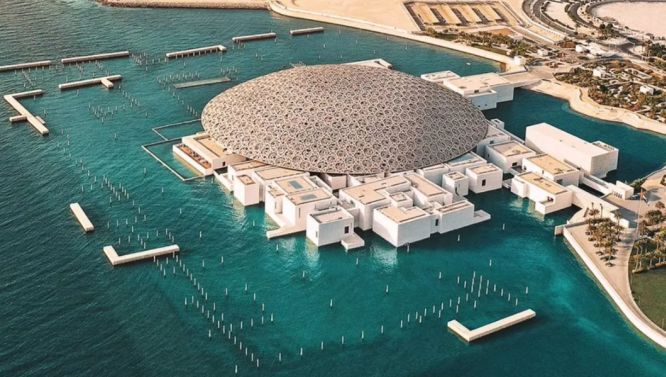
On Saadiyat Island, Louvre Abu Dhabi brings together artworks and historical objects from different cultures. Its collection explores connections between civilisations rather than focusing on a single region. The museum’s striking dome creates a beautiful “rain of light” as sunlight filters through its geometric structure. Combined with the surrounding sea, this effect creates a peaceful setting for discovering world art.
Abu Dhabi Corniche
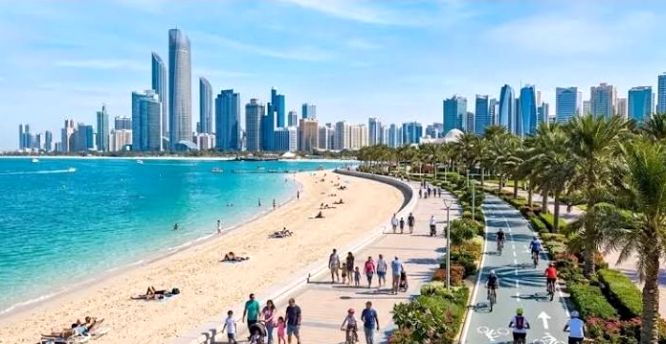
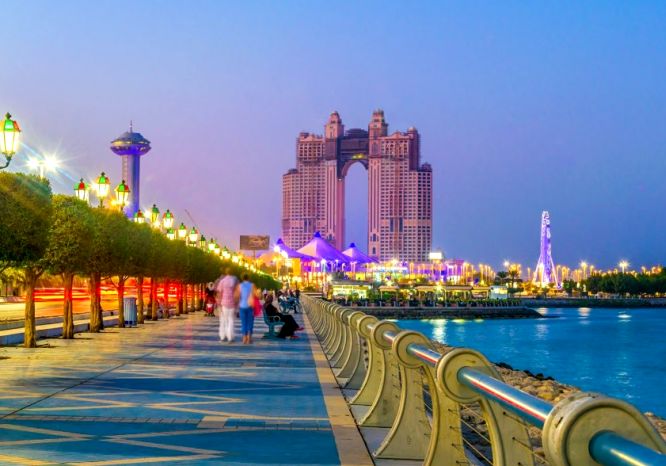
The Corniche offers a refreshing escape from the city’s busy streets. Walking paths, cycling routes, gardens, and beaches line this attractive waterfront. Locals come here to exercise, meet friends, and enjoy the sea breeze. Visit around sunset for beautiful views of the Arabian Gulf and Abu Dhabi’s skyline.
Qasr Al Hosn
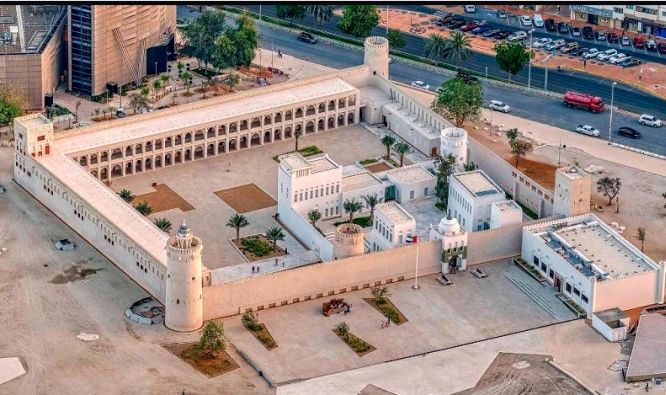
Qasr Al Hosn is one of Abu Dhabi’s most important historic landmarks. Before modern towers transformed the city, this fort stood at the heart of the settlement.
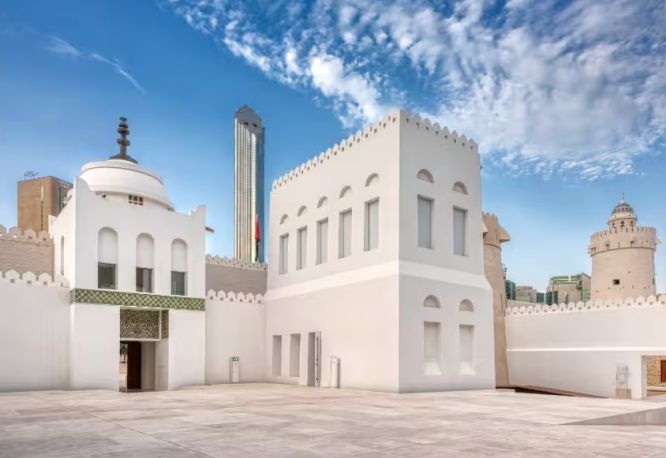
Today, exhibitions introduce visitors to traditional crafts, local history, and the lives of communities that once depended on fishing, pearl diving, and maritime trade. It offers valuable insight into Abu Dhabi’s earlier days.
Heritage Village
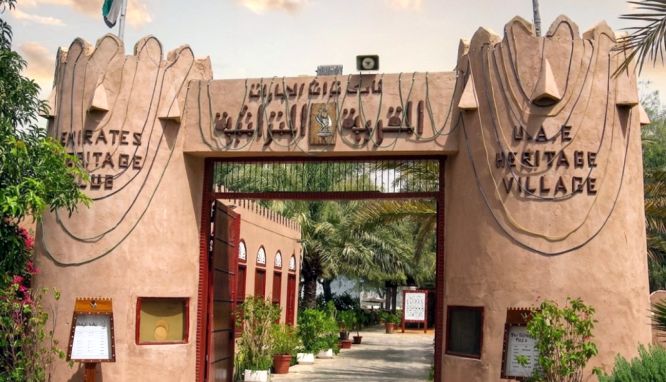
Heritage Village provides a glimpse into Emirati life before oil transformed the region. Traditional buildings, craft demonstrations, and displays introduce visitors to earlier ways of living. You may discover traditional weaving, pottery, and desert practices. The village also offers views across the water towards the modern skyline, creating a striking contrast between past and present.
Emirates Palace
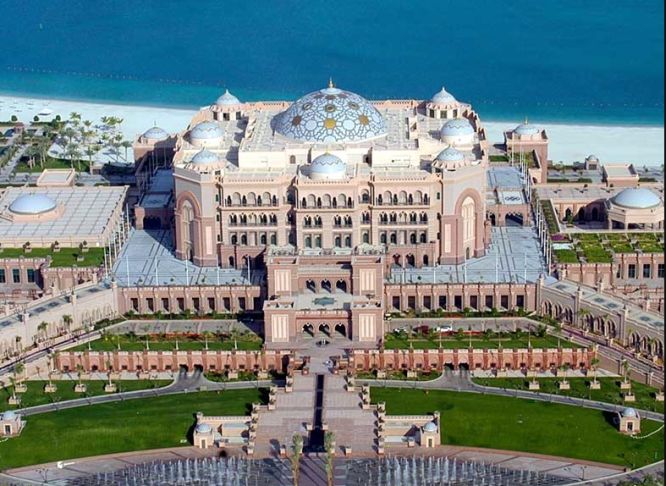
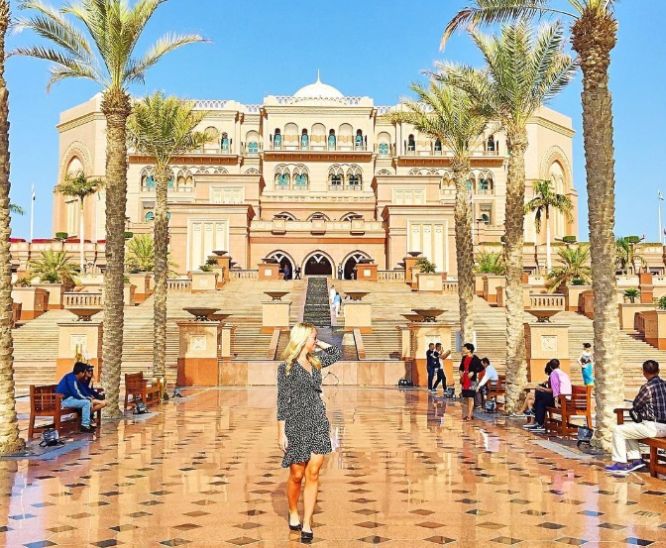
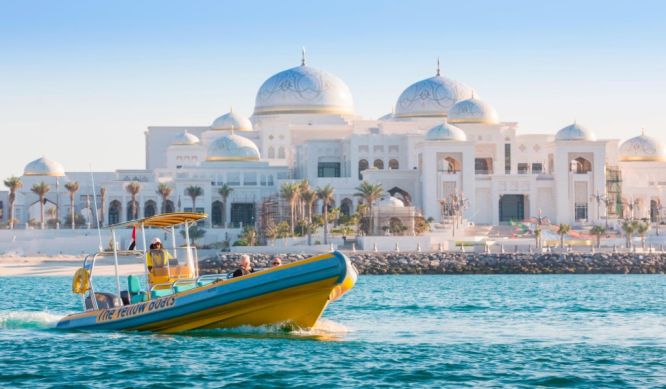
Emirates Palace stands out for its grand architecture, expansive grounds, and elaborate decorative details. It represents another side of Abu Dhabi’s modern development. Even if you do not plan to stay there, you may be able to visit permitted public areas or enjoy a café or restaurant, depending on access policies.
Yas Island
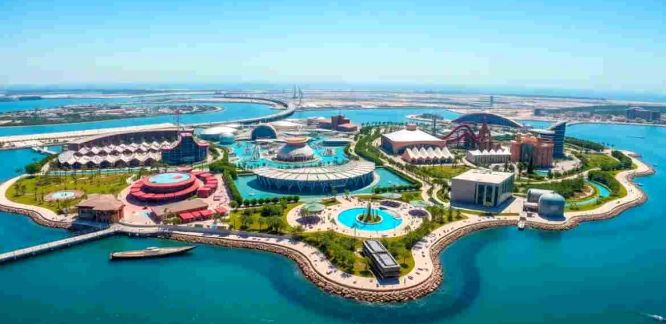
For entertainment and adventure, head to Yas Island. This popular destination features Ferrari World Abu Dhabi, Warner Bros. World Abu Dhabi, and Yas Waterworld.
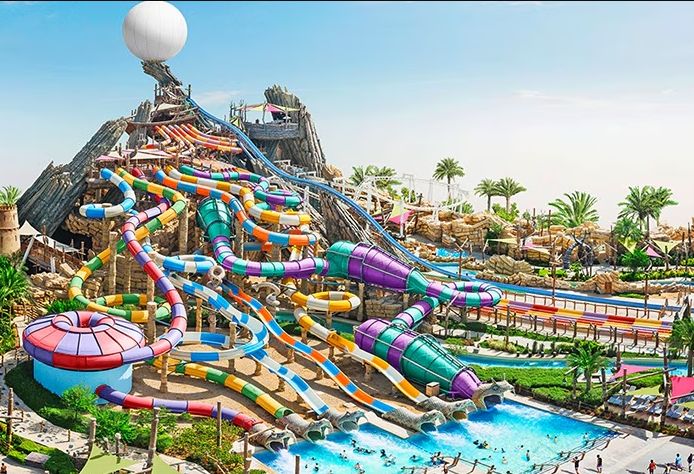
Waterworld
Motorsport enthusiasts may also enjoy Yas Marina Circuit, which hosts the Abu Dhabi Grand Prix. With attractions for different interests, Yas Island adds an energetic dimension to the city.
Mangrove National Park
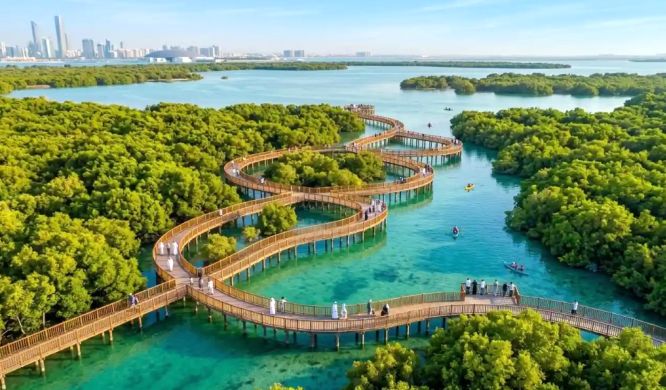
Abu Dhabi’s natural beauty extends beyond its urban landscape. Mangrove National Park protects important coastal habitats and offers a peaceful escape. Kayaking through the mangrove channels provides opportunities to observe birds and other wildlife. Guided excursions can also help visitors understand why these ecosystems matter for coastal protection and biodiversity.
The Desert Landscape

The desert remains an essential part of the Emirates’ identity. Outside the city, sweeping dunes reveal a quieter landscape shaped by wind, sand, and centuries of human adaptation.
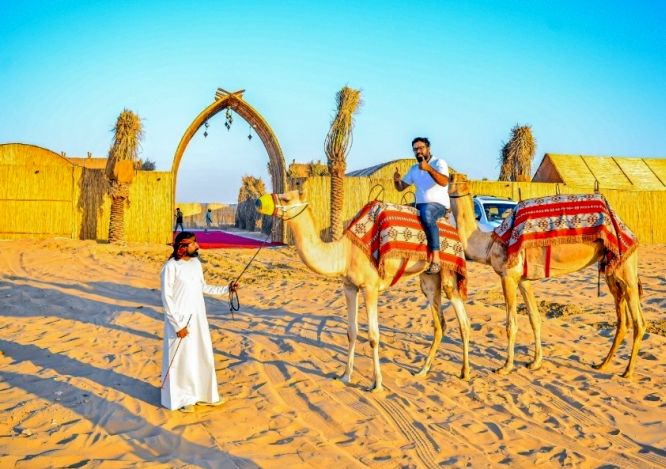
You can join a guided desert excursion, experience traditional hospitality, or simply admire the changing colours of the dunes. Early morning and late afternoon generally offer more comfortable conditions for outdoor activities.
Useful Tips for Visiting Abu Dhabi
November to March generally offers the most comfortable weather for sightseeing and outdoor activities. Summer brings intense heat and humidity, making indoor attractions more appealing.
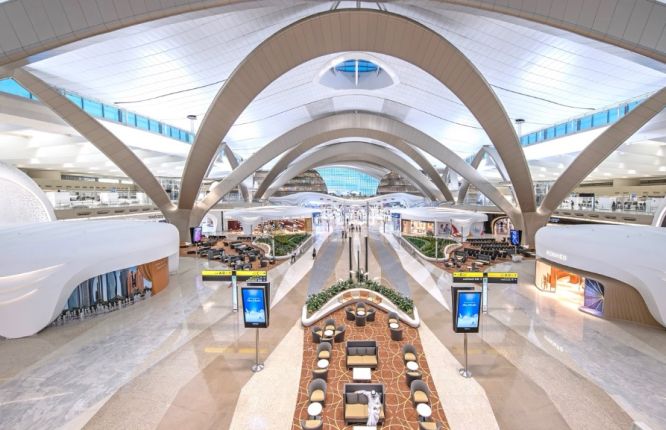
Zayed International Airport
Abu Dhabi has buses and taxis, although distances between attractions can be considerable. Planning your routes in advance can help you make the most of your visit.
Abu Dhabi offers much more than modern buildings and luxury destinations. Its historic forts, magnificent mosque, international museums, mangroves, and desert landscapes reveal different chapters of Emirati history.
Here, you can explore cultural heritage in the morning, admire world-class art in the afternoon, and watch the sun set over the Arabian Gulf in the evening. For anyone curious about the UAE, Abu Dhabi offers a memorable introduction to its culture, history, and evolving identity.
Visit for Abu Dhabi Hotels: Click and Restaurants: Click