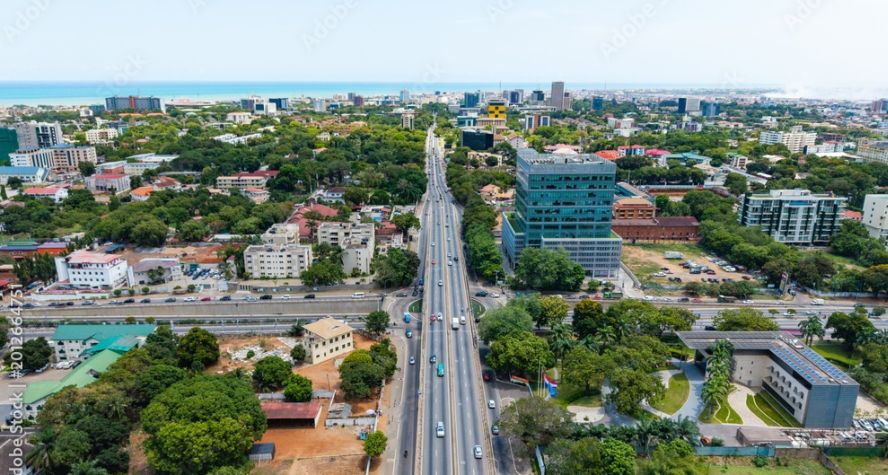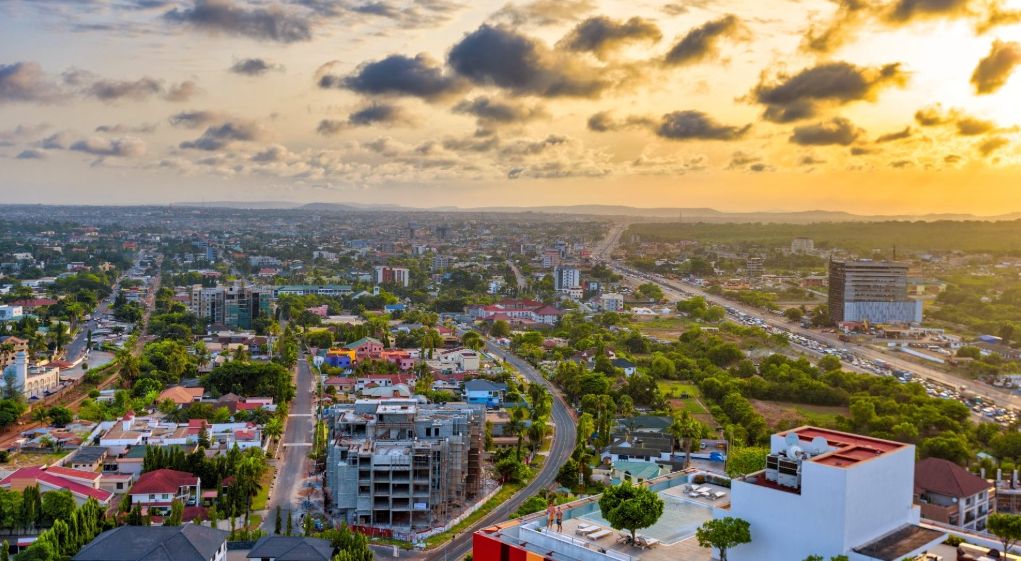
This time, our journey takes us to Accra, the capital of the West African nation of Ghana. Like Lagos and Dakar, Accra is a West African city situated along the Atlantic coast; it stands out for the ways in which it both resembles and differs from these other cities.
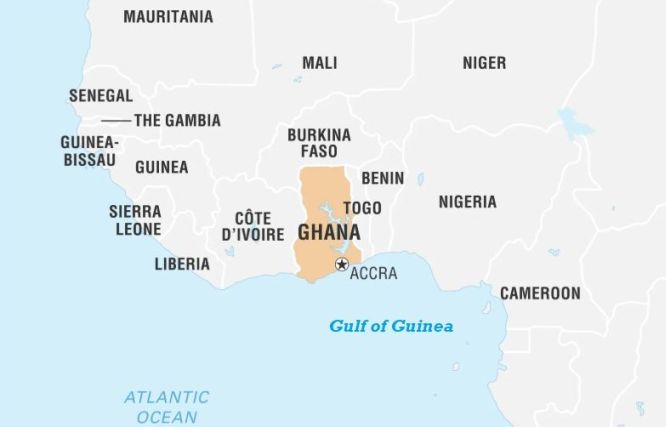
It is a place where history, culture, music, bustling markets, and coastal life converge within a vibrant urban fabric. Located on the shores of the Gulf of Guinea, Accra has evolved from a collection of coastal settlements into one of the most dynamic cities in West Africa.
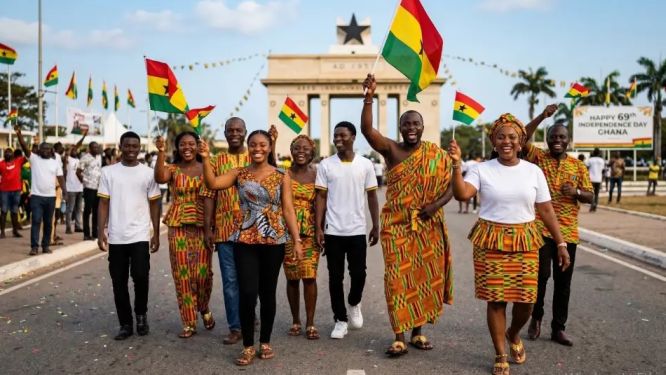
6 March Ghana Independence Day
The city has been Ghana’s capital since 1877, and its streets reveal many chapters of the country’s history. Colonial-era buildings stand near modern neighborhoods, while traditional markets and fishing communities continue to shape everyday life. Let us now take a closer look at the city.
Kwame Nkrumah Memorial Park
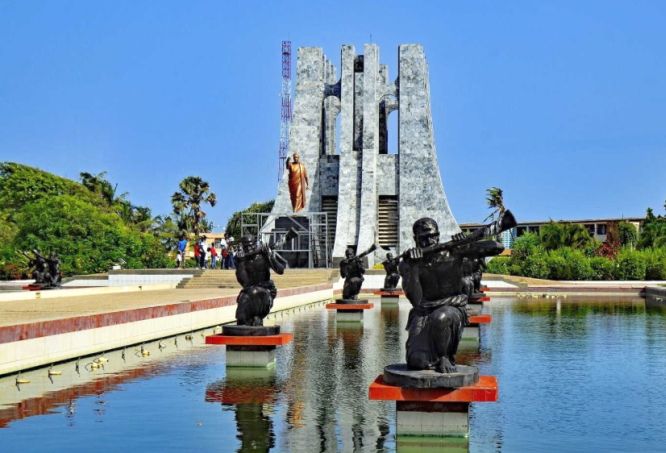
Few places explain Ghana’s modern history better than the Kwame Nkrumah Memorial Park. Located in central Accra, the park honors Kwame Nkrumah, Ghana’s first president and one of Africa’s most influential Pan-Africanist leaders.
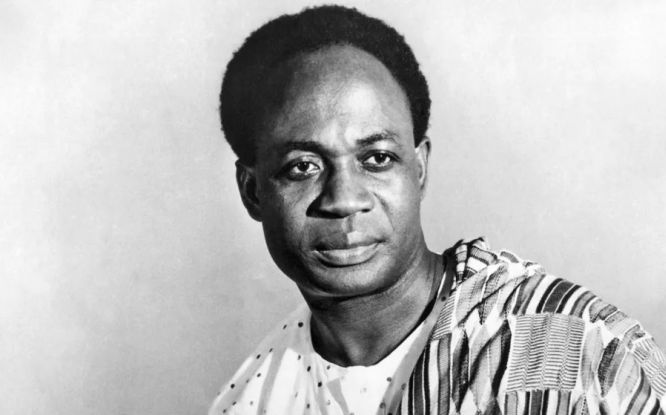
Kwame Nkrumah (1909-1972)
The mausoleum and museum tell the story of Ghana’s journey from the Gold Coast to independence. The design of the mausoleum also carries symbolic meaning, with its shape representing an upside-down sword, a traditional symbol of peace.
Independence Square: A Symbol of Ghana’s Freedom
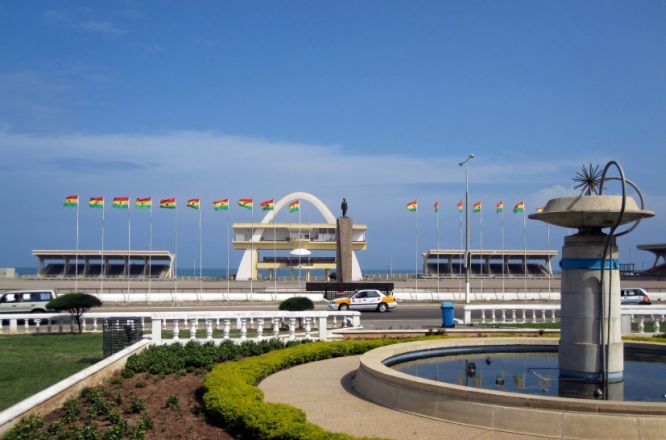
Accra’s Independence Square, also known as Black Star Square, is one of the city’s most important national landmarks. The square was completed in 1961 and became a major setting for national ceremonies and public celebrations.
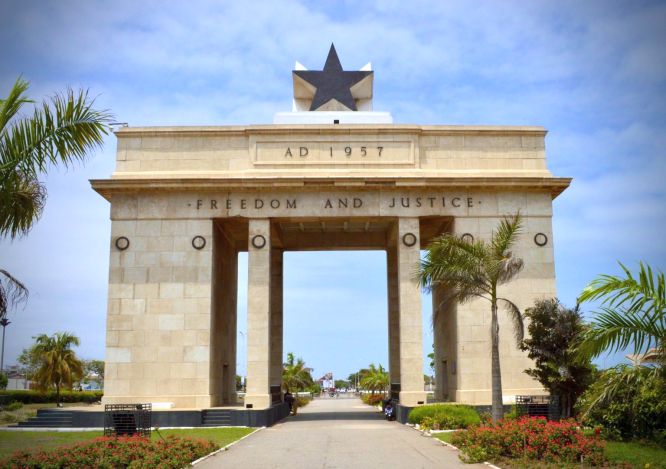
The Independence Arch and Black Star Gate stand as powerful reminders of Ghana’s independence in 1957. Every year, the country’s Independence Day celebrations on March 6 bring special significance to this historic area.
Jamestown: Accra’s Historic Coastal Neighborhood
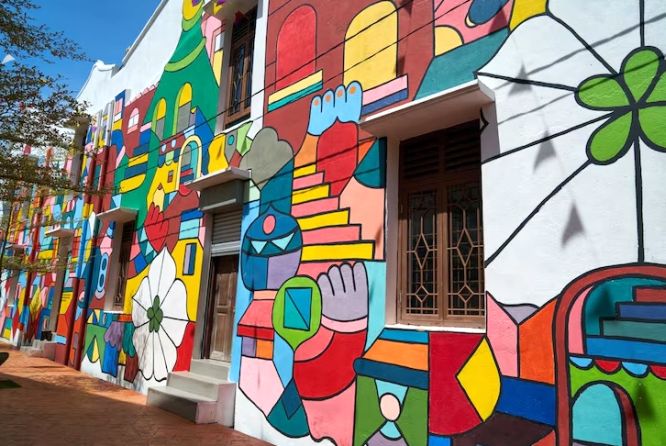
If you want to experience old Accra, Jamestown is a fascinating place to explore. This historic coastal district combines colonial-era buildings, fishing traditions, colorful streets, and a strong local identity.
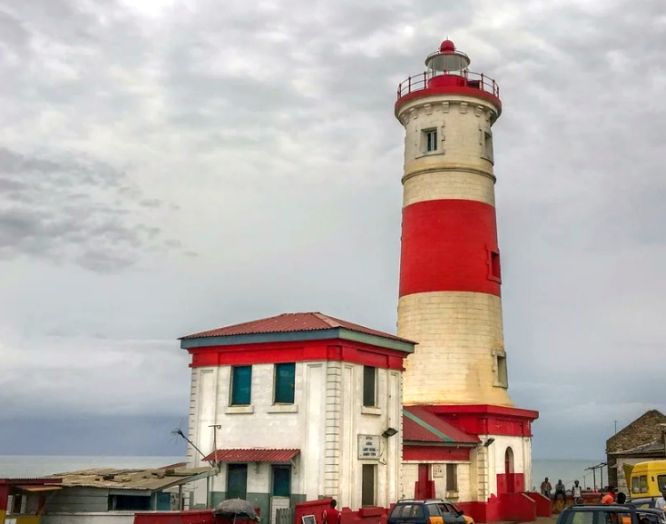
The Jamestown Lighthouse is one of its best-known landmarks. Nearby, you can see old forts and watch the activity around the fishing harbor. The area offers a very different experience from Accra’s modern commercial districts.
National Museum of Ghana

The National Museum provides a broader introduction to Ghana’s history and cultural heritage. Its collections cover archaeology, traditional culture, art, and the country’s historical development.
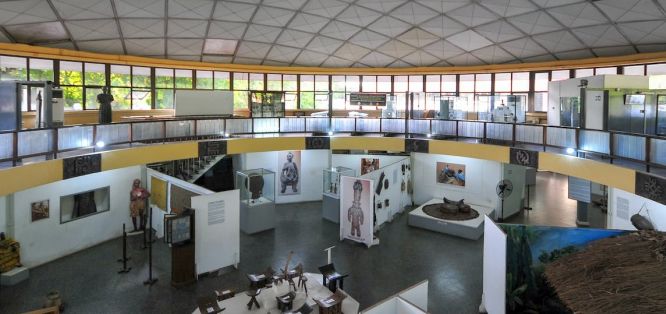
For travelers visiting Accra for the first time, the museum can provide useful context before exploring the city’s streets, monuments, and historic neighborhoods.
Makola Market: The Lively Heart of Local Commerce
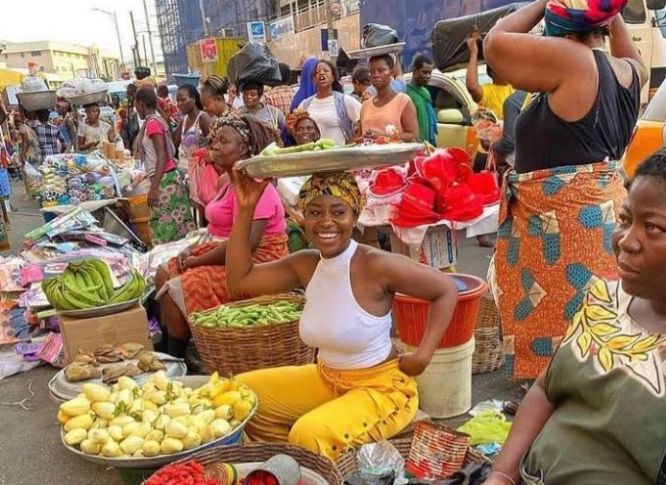
Accra’s energy becomes especially visible at Makola Market, one of the city’s best-known markets. Shops and stalls offer everything from food and clothing to household goods and locally produced items. The market can feel busy and intense, but that is part of its character.
Osu: Where Modern Accra Comes Alive
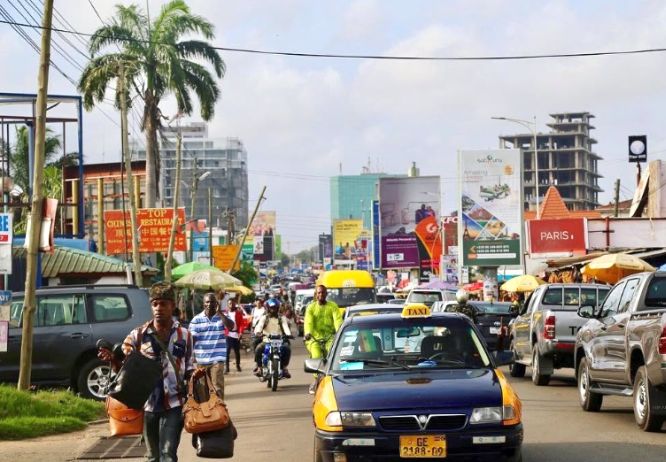
Oxford Street
Osu represents another side of Accra. The neighborhood is known for its restaurants, cafés, shops, nightlife, and lively streets. It is also close to several important historic sites.
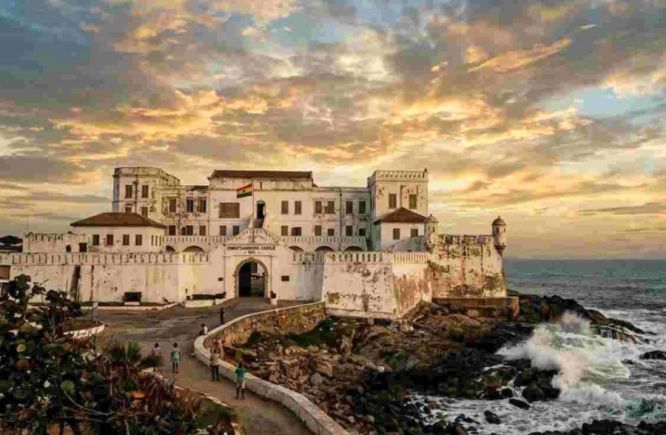
Osu Castle (Also known as Fort Christiansborg)
Here, modern Accra and older traditions exist side by side. A walk through Osu can easily turn into an evening of food, music, and people-watching.
National Theatre: A Landmark of Ghanaian Culture
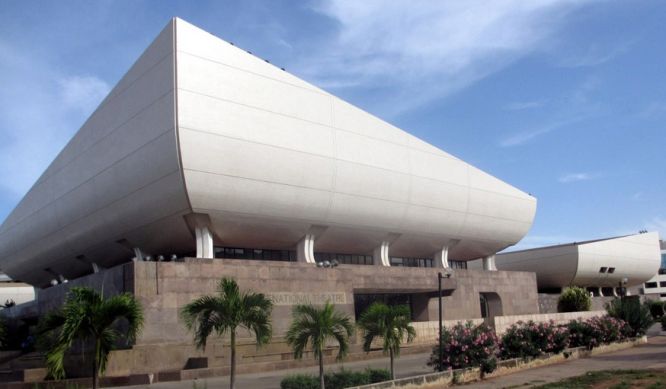
The distinctive National Theatre is an important cultural landmark in Accra. Its unusual architecture makes it one of the city’s most recognizable modern buildings. The theatre hosts performances and cultural events, providing another way to experience Ghana beyond its historical monuments.
Accra’s Lively Atlantic Shore: Labadi Beach
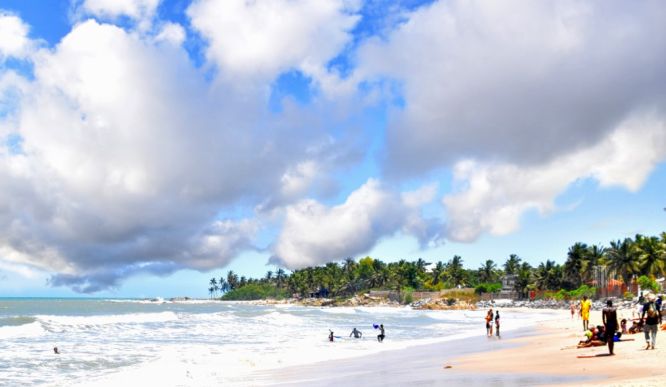
Accra’s relationship with the Atlantic Ocean is an important part of its identity. Labadi Beach is one of the city’s popular coastal destinations, especially at weekends. The atmosphere can be lively, with music, food, local entertainment, and visitors enjoying the ocean.
Arts and Crafts
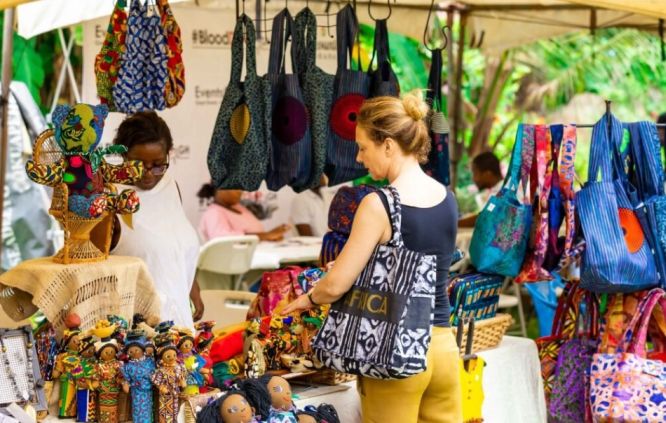
Art is deeply connected with everyday life in Accra. At the city’s arts and crafts markets, visitors can find colorful textiles, sculptures, jewelry, wood carvings, and other handmade works.
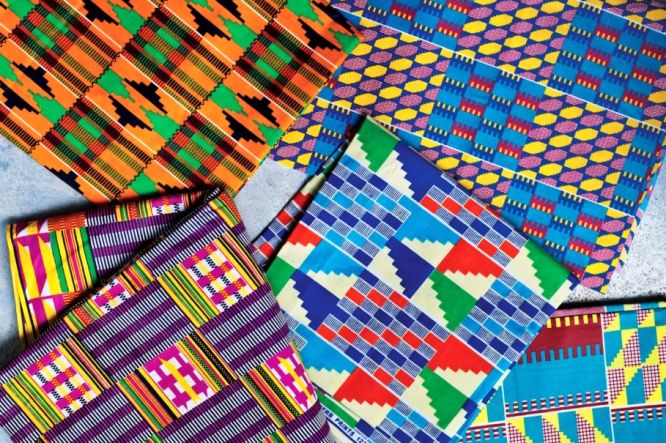
Kente cloth
Kente textiles are particularly important within Ghanaian culture. Buying a locally made craft can also be a meaningful way to take a small piece of Ghana’s artistic tradition home.
Accra’s Street Food and Local Flavors
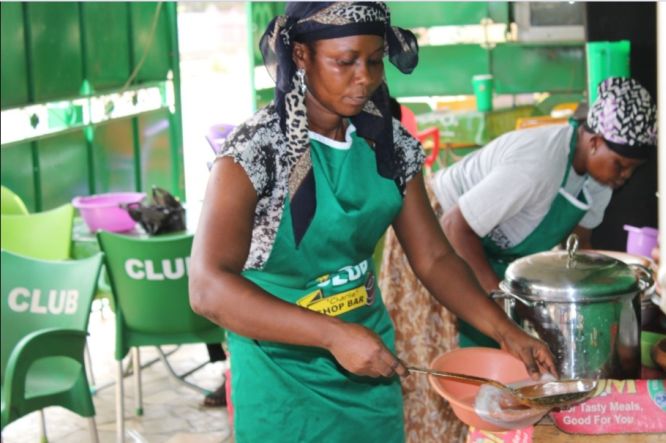
No visit to Accra feels complete without trying some local food. Street vendors and traditional chop bars offer dishes that reflect Ghana’s rich culinary culture.
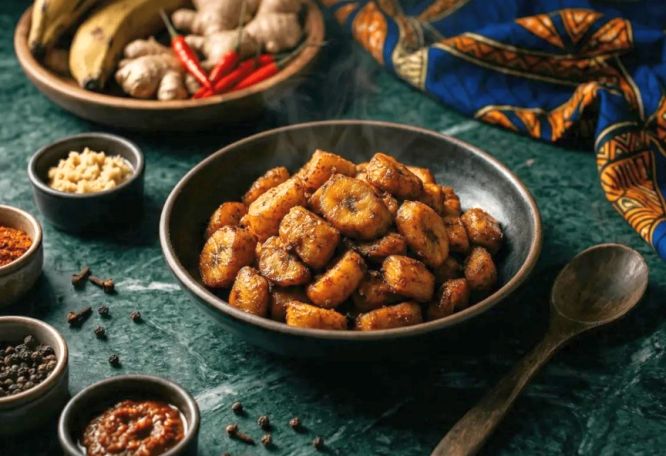
Kelewele (Ghanaian-style spiced fried plantains)
Kelewele, made from spiced fried plantain, is one popular choice. Trying local food also adds another dimension to exploring the city, because Accra’s culture is not only found in museums and monuments but also around dining tables and busy streets.
The Best Time to Visit & Travel Tips
| Topic | Information |
|---|---|
| Best Time to Visit | November to March, when the weather is generally drier and better for sightseeing. |
| Alternative Period | July and August are relatively cooler, although some rain is possible. |
| Rainy Season | April to June is the main rainy period, with June usually among the wettest months. |
| Weather | Accra is warm and humid throughout the year, so light and breathable clothing is recommended. |
| Harmattan | December to February can bring dry, dusty winds and hazy skies. |
| Getting Around | Taxis, ride-hailing services and tro-tros are common options. |
| Travel Tip | Keep valuables secure in crowded areas and take extra care when walking near busy roads. |
Accra is a city that rewards curiosity. Its independence monuments tell the story of a nation, Jamestown reveals its coastal past, while markets, music, food, and neighborhoods show how that history continues to live in the present.
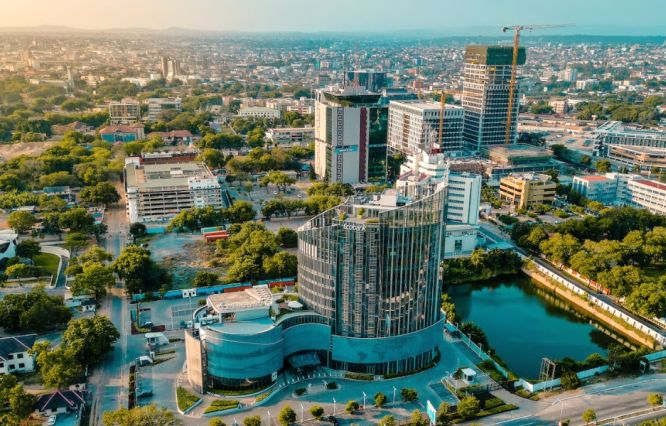
Especially, for travelers interested in West African history and culture, Accra offers something particularly valuable: the opportunity to experience Ghana not as a distant story, but as a living city shaped by its past and constantly creating its future.