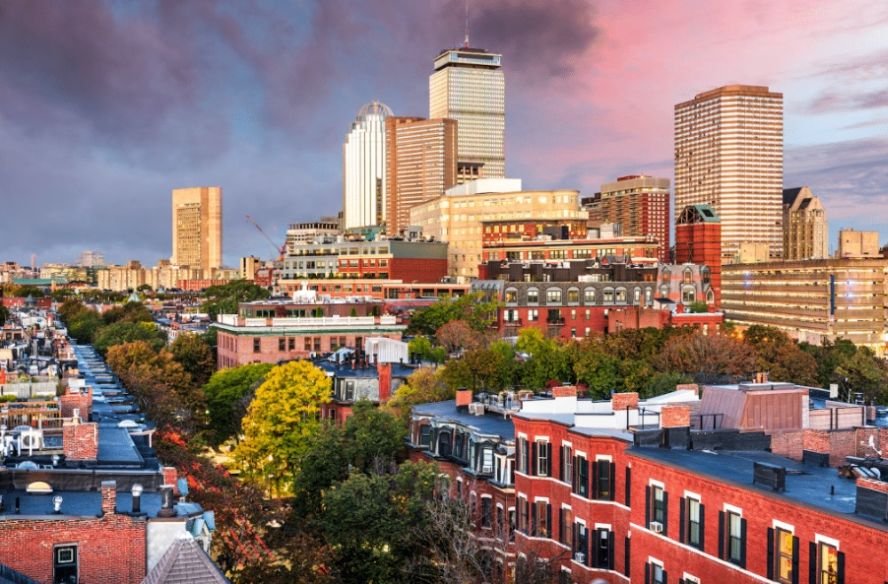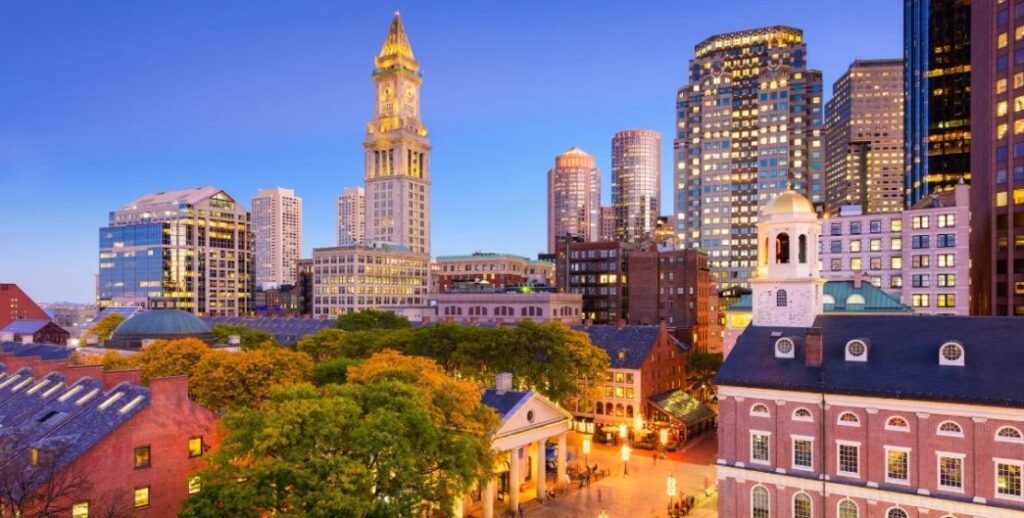
Founded by English Puritans in the 17th century, Boston played a central role in the events that eventually led to the American Revolution. Yet the city’s identity reaches far beyond revolutionary history. Today, Boston is also a major center of education, medicine, culture, science, and the arts.

Boston Tea Party in Boston Harbor
When one thinks of Boston, one event immediately comes to mind: the Boston Tea Party (1773). A pivotal moment on the path toward the American Revolution, this historic event is highly significant in defining the city’s place in American history. Let us now take a stroll through this renowned city in Massachusetts, on the East Coast.
Freedom Trail: Boston’s Historic Red Line
The Freedom Trail is the best place to begin understanding Boston. A red brick and painted line runs for about 2.5 miles through Downtown, the North End, and Charlestown, connecting 16 historically significant sites.
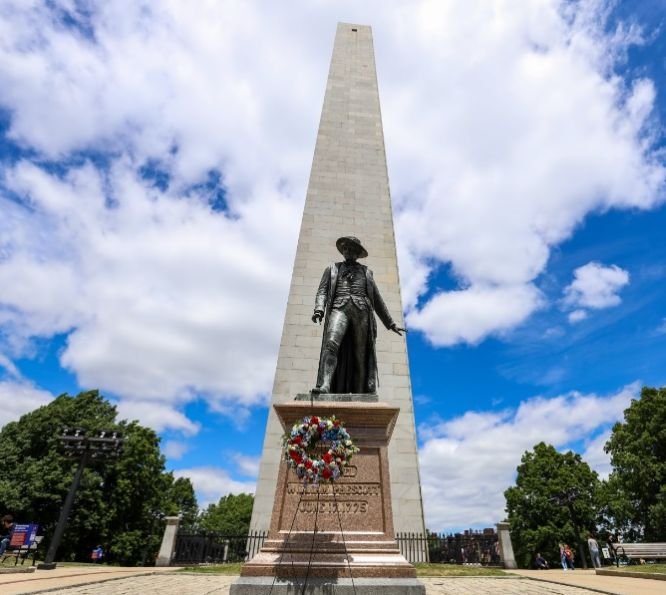
Bunker Hill Monument
Along the route, you can encounter churches, meeting houses, burying grounds, historic homes, museums, and monuments connected with the American Revolution and the city’s later history. The trail begins at Boston Common and eventually reaches the Bunker Hill Monument in Charlestown.
Boston Common: America’s Oldest Public Park
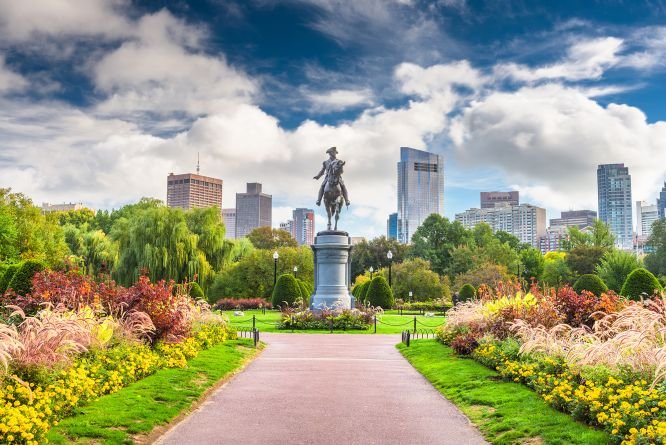
Boston Common is more than a pleasant green space in the middle of the city. Established in 1634, it is recognized as the oldest public park in the United States. For centuries, the Common served different purposes, including grazing land, a military training ground, and a British army camp during the Revolutionary period. Today, it is one of Boston’s most familiar gathering places.
Beacon Hill: Boston’s Elegant Historic Neighborhood
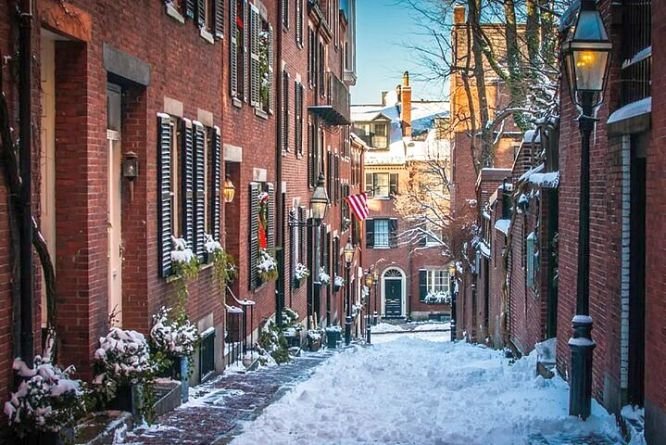
Beacon Hill is one of Boston’s most atmospheric neighborhoods. Narrow streets, brick townhouses, traditional gas lamps, and steep sidewalks create an appearance that feels remarkably different from the modern city nearby.
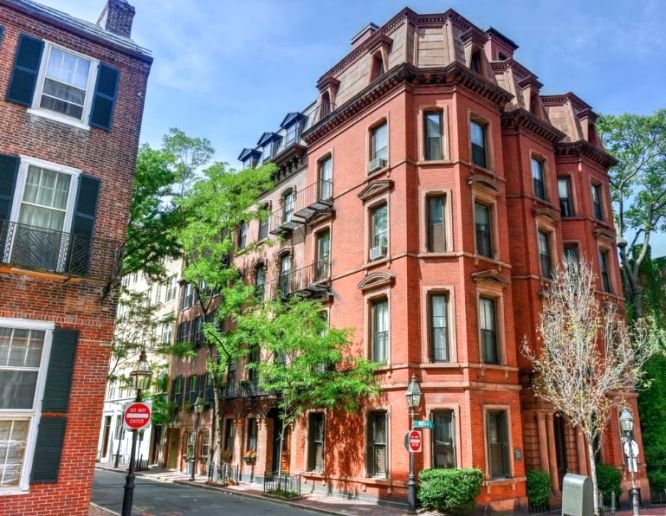
The neighborhood also has an important African American history. During the 19th century, Beacon Hill was home to a significant free Black community. Acorn Street is one of the neighborhood’s most photographed corners.
North End: Boston’s Historic Italian Quarter
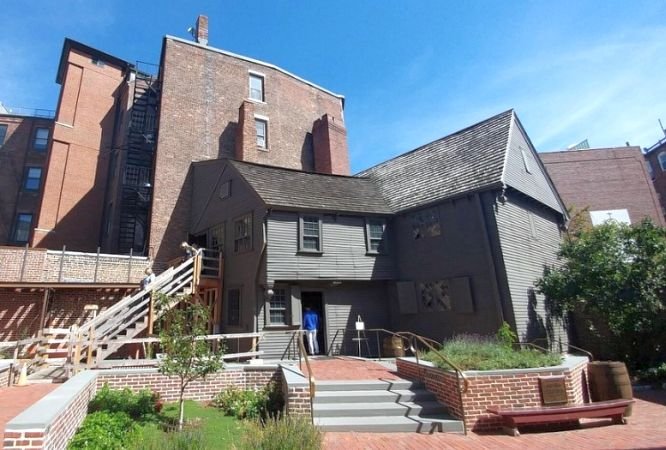
Paul Revere House
The North End is one of Boston’s oldest neighborhoods and is closely associated with the city’s Italian-American community. Its narrow streets are filled with restaurants, bakeries, cafés, and historic buildings. The neighborhood also contains some of the most important sites on the Freedom Trail, including the Paul Revere House and Old North Church.
Old North Church: A Landmark of the Revolution
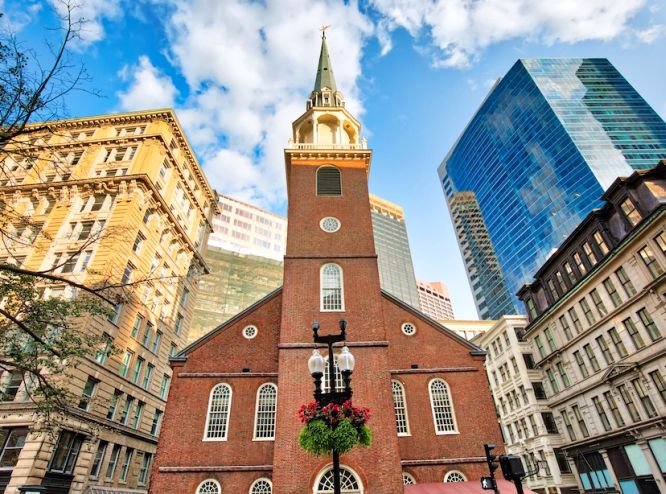
Old North Church is one of Boston’s most recognizable historic churches. Built in 1723, it became closely associated with the American Revolution through the famous lantern signal that warned Paul Revere about the movement of British troops. The church stands in the North End and remains an important part of the Freedom Trail. Its elegant interior and historic setting make it one of the places where Boston’s revolutionary story feels particularly tangible.
Faneuil Hall: A Meeting Place in Boston’s History
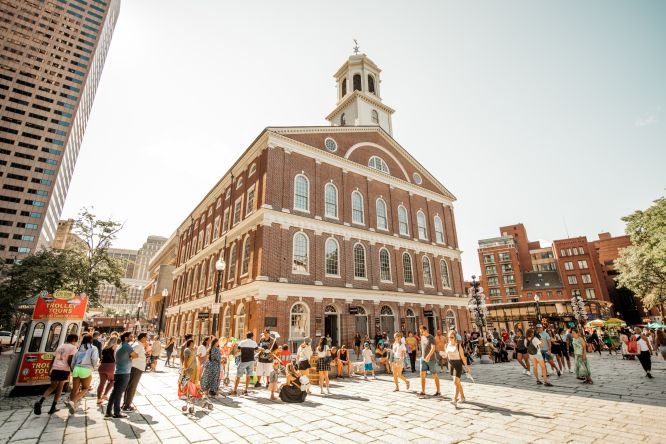
Faneuil Hall has been an important public meeting place since the 18th century. It became famous for political speeches and debates during the period leading up to the American Revolution. Today, the surrounding area is much livelier and more commercial. Shops, restaurants, street performers, and visitors fill the area around the historic building.
Boston Public Garden: A Peaceful Urban Landscape
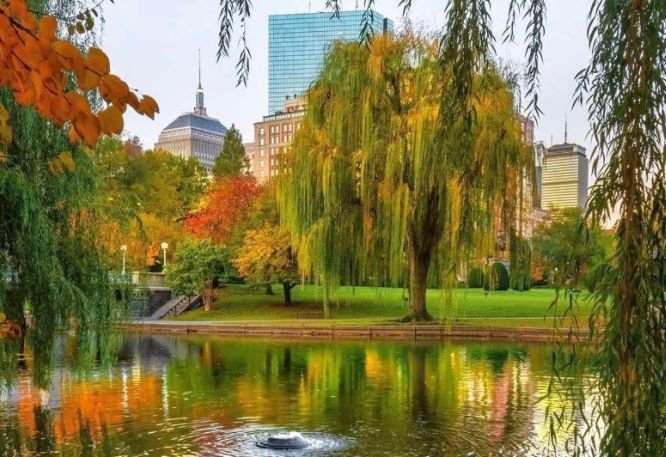
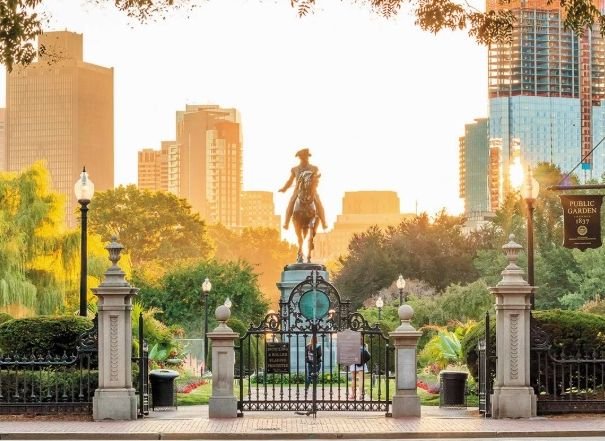
Just across Charles Street from Boston Common lies the Boston Public Garden, a more formal and carefully landscaped green space.
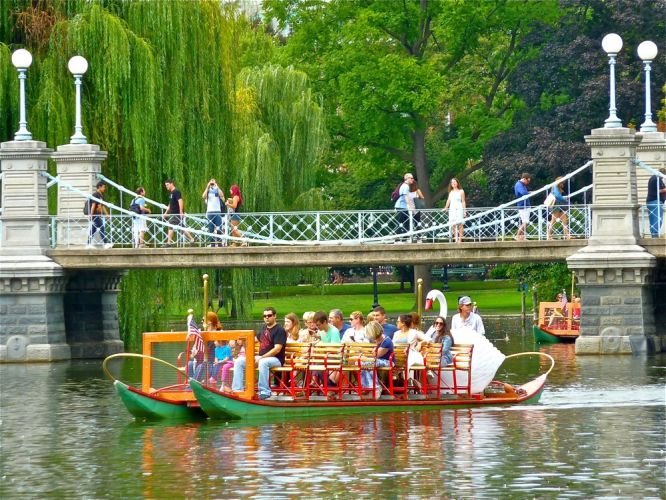
Established in the 19th century, the garden features a lagoon, flower beds, walking paths, and the famous Swan Boats. The contrast between the open character of Boston Common and the carefully designed landscape of the Public Garden makes visiting both worthwhile.
Museum of Fine Arts: Boston’s Artistic Side
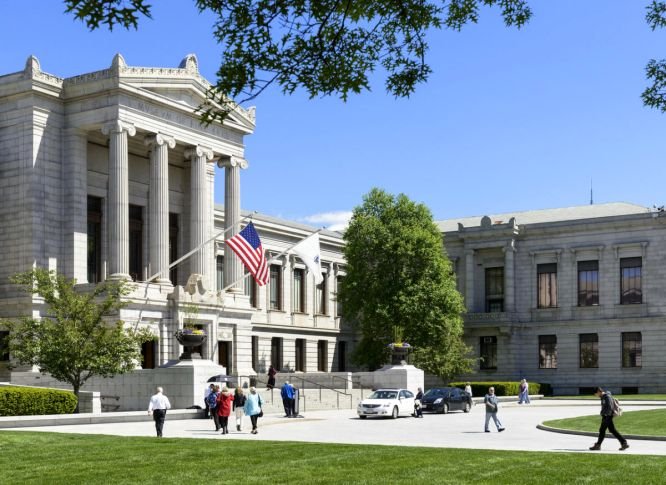
Boston’s history is only one part of its identity. The Museum of Fine Arts, Boston offers a much broader perspective through an extensive collection spanning different cultures and periods. Its galleries include European paintings, American art, ancient Egyptian objects, Asian works, decorative arts, and many other collections. For visitors interested in art and culture, the museum provides a useful reminder that Boston is not simply a city of colonial buildings and revolutionary stories.
Back Bay: Victorian Architecture and Modern Boston
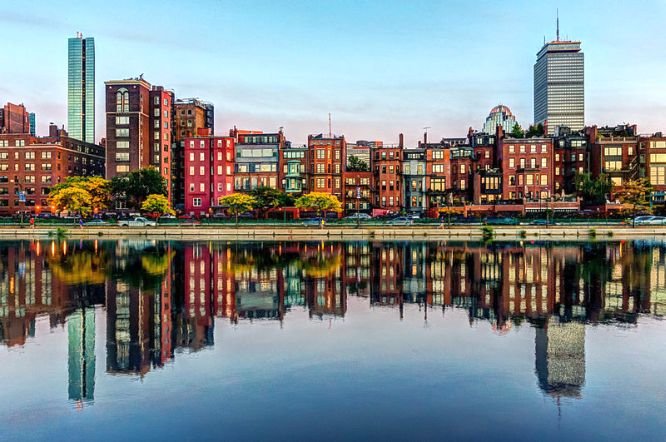
Back Bay shows another side of the city. Its broad avenues, elegant brownstone buildings, shops, restaurants, and cultural institutions create a more polished urban atmosphere.
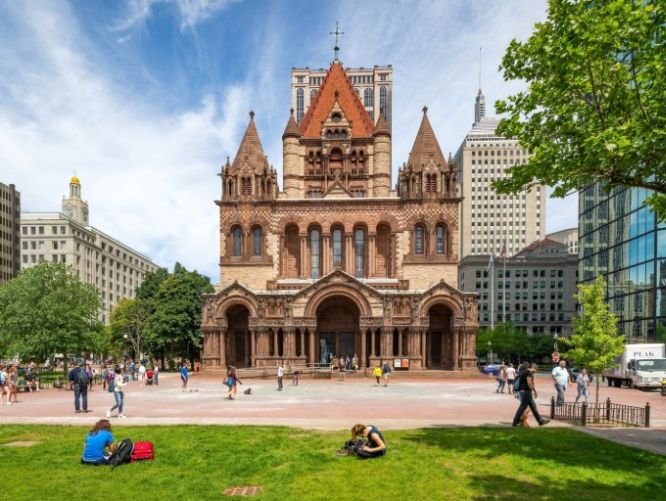
Copley Square
Copley Square is one of the neighborhood’s central landmarks, surrounded by notable buildings and architectural contrasts. The nearby Boston Public Library is especially worth seeing for its historic interiors and impressive design.
Harvard Square and Cambridge: The Academic Face of Boston
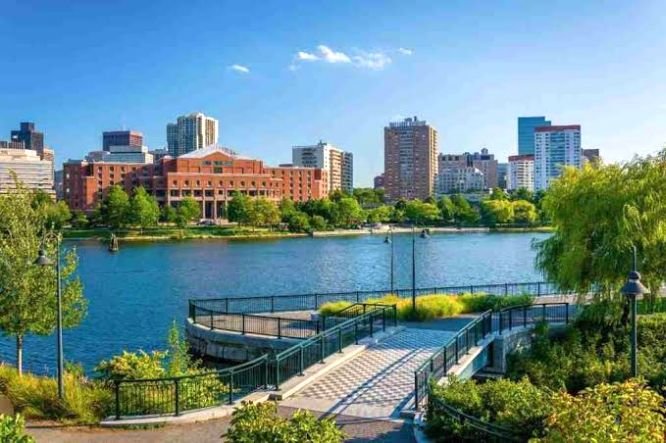
Across the Charles River, Cambridge offers a different perspective on the wider Boston area. Harvard Square sits at the heart of one of the world’s best-known university communities.
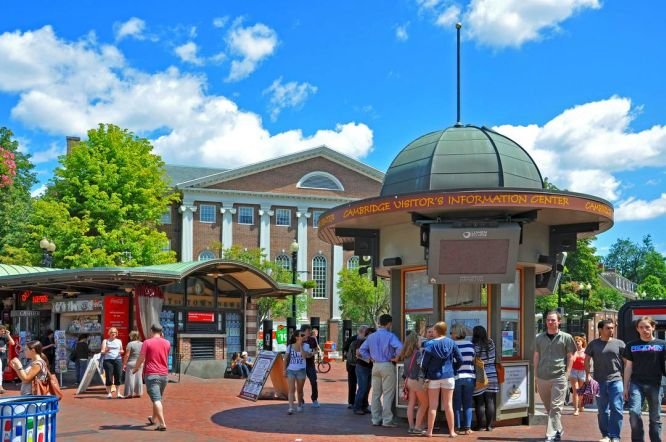
Harvard Square
The surrounding streets combine historic buildings, bookstores, cafés, restaurants, student life, and cultural venues. Even visitors without an academic connection can enjoy the atmosphere.
Boston Harbor: The City’s Connection to the Sea
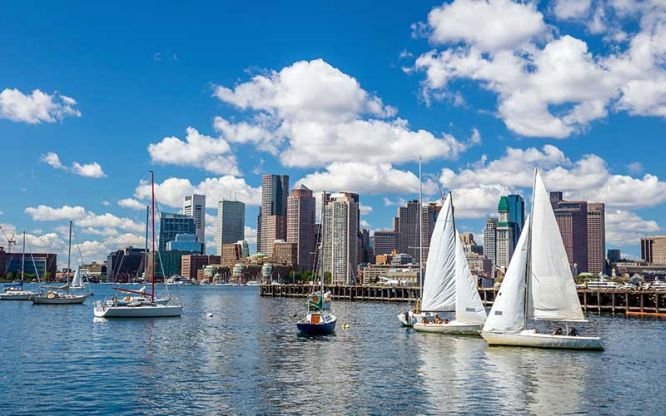
Boston’s history has always been closely connected to the Atlantic. Boston Harbor played an important role in the city’s development as a port and trading center. Today, the waterfront has a more recreational character, with walking areas, boats, restaurants, and views across the harbor. A visit here offers a welcome contrast to the city’s historic streets.
Fenway Park: A Symbol of Boston’s Sporting Culture
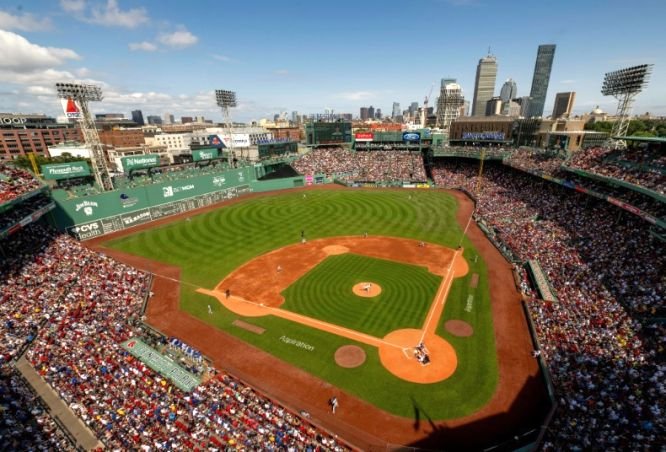
If you are looking for a unique experience in Boston, you might consider visiting Fenway Park, home to the Boston Red Sox. Opened in 1912, the stadium is one of the most famous historic ballparks in the United States.

Baseball is deeply connected with Boston’s cultural identity, and Fenway is more than a sports venue for many locals. Even outside baseball season, the surrounding Fenway neighborhood offers restaurants, bars, museums, and a lively urban atmosphere.
Best Time to Visit & Travel Tips
| Topic | Information |
|---|---|
| Best Time to Visit | May, September and early October offer pleasant weather for sightseeing. |
| Spring | April to May brings mild weather, blooming gardens and outdoor activities. |
| Summer | June to August is warm and lively, but July and August can be hot and humid. |
| Autumn | September and October are ideal for walking and enjoying beautiful fall foliage. |
| Winter | December to February can be cold and snowy, but museums are quieter and accommodation may be cheaper. |
| Getting Around | Boston is very walkable. The subway, known as the T, is useful for longer journeys. |
| Local Food | Try New England clam chowder, lobster rolls and Boston cream pie. |
| Day Trips | Cambridge, Salem and Concord are interesting destinations for short trips from Boston |
Boston is a city that rewards slow exploration. Perhaps Boston’s greatest attraction is the way these different periods coexist. A colonial meeting house can stand beside a modern office building, while a historic neighborhood remains full of cafés, students, families, and workers.
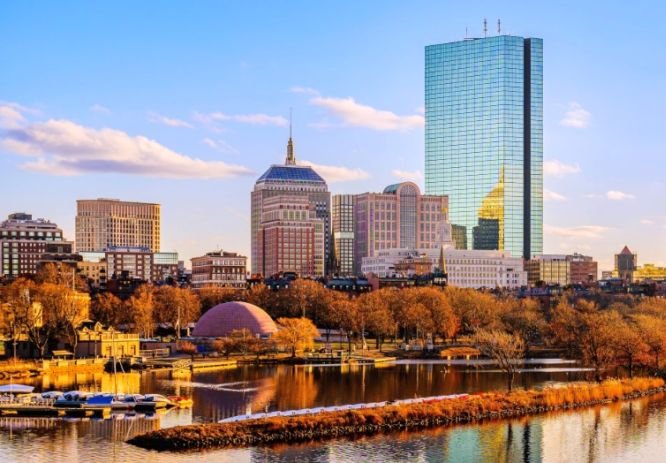
For anyone interested in American history, architecture, culture, or city life, Boston offers something particularly rewarding: the chance to walk through history without ever leaving the modern city behind.