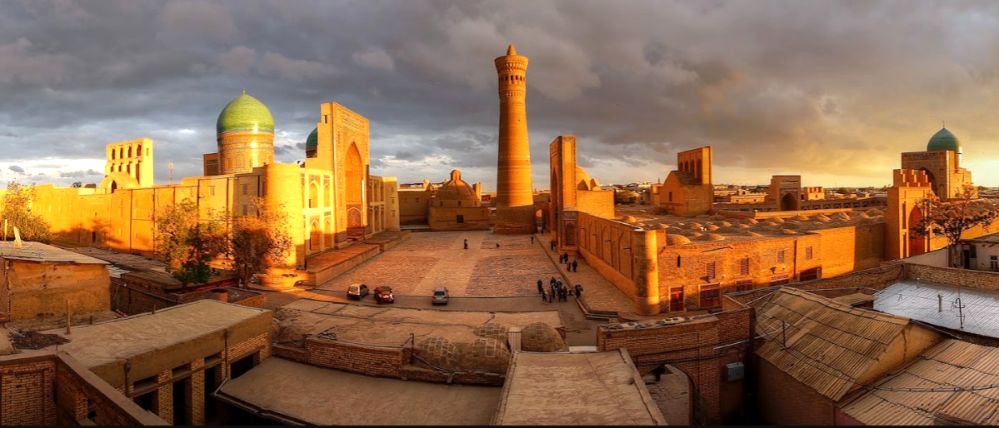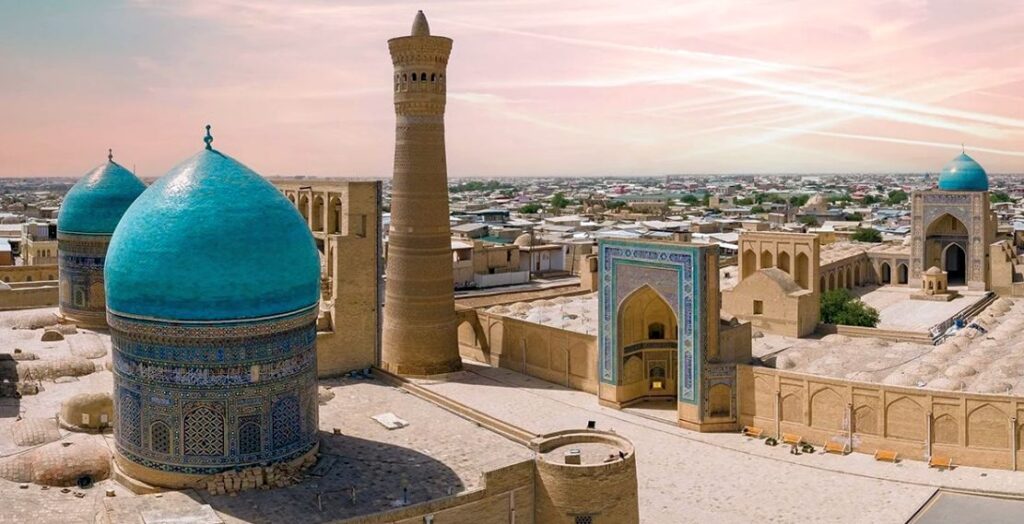
Located in the heart of Central Asia, Bukhara offers a deep historical experience shaped over centuries. Bukhara was one of the most important Silk Road cities, often mentioned alongside Samarkand, which is known for its monumental architecture and Timurid heritage. Unlike many modern cities, Bukhara has carefully preserved its identity with remarkable consistency. Therefore, visitors often feel that time slows down here and creates a strong connection with the past.
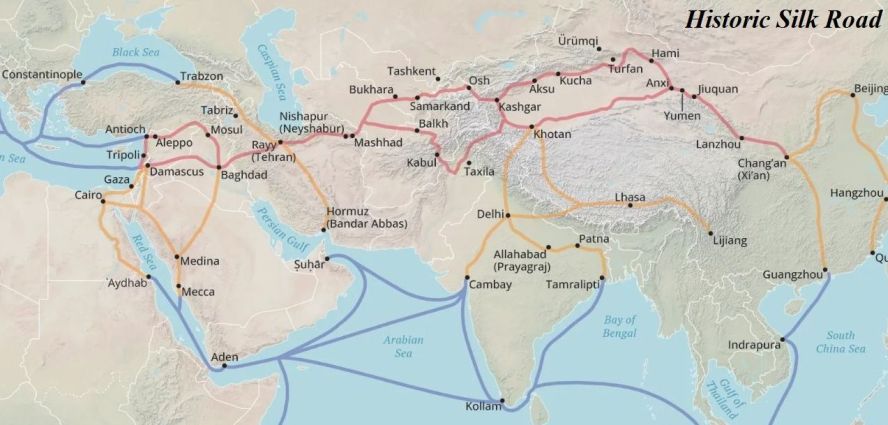
One of Uzbekistan’s most important tourist destinations, the city opens the doors to a completely different world. As one of the key stops along the Silk Road, Bukhara brought together different cultures and trade routes. Moreover, its architecture clearly reflects this historical interaction and offers a rich visual experience. For travelers seeking authenticity, the city becomes a truly compelling destination.
An Open-Air Museum of the Silk Road
Bukhara is often described as an open-air museum, and this description is largely accurate. The city contains more than 140 historical monuments, many of which remain well preserved. As a result, walking through its streets feels like stepping into a living past.
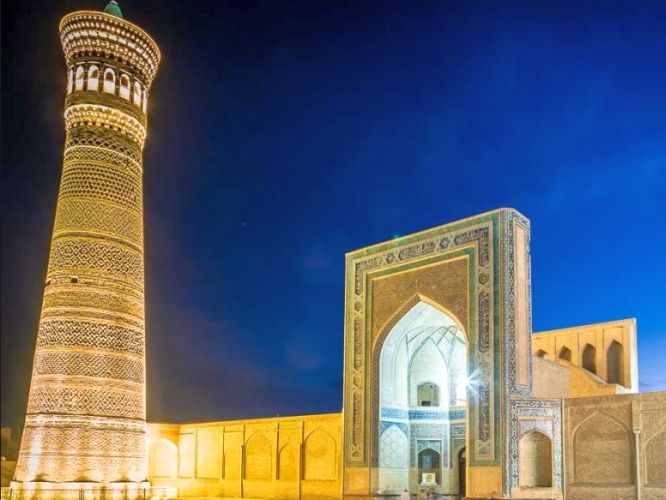
In earlier centuries, caravans would stop here to trade goods and exchange ideas. Today, visitors follow similar paths while exploring the city’s historic fabric. In this way, history continues to exist as part of everyday life.
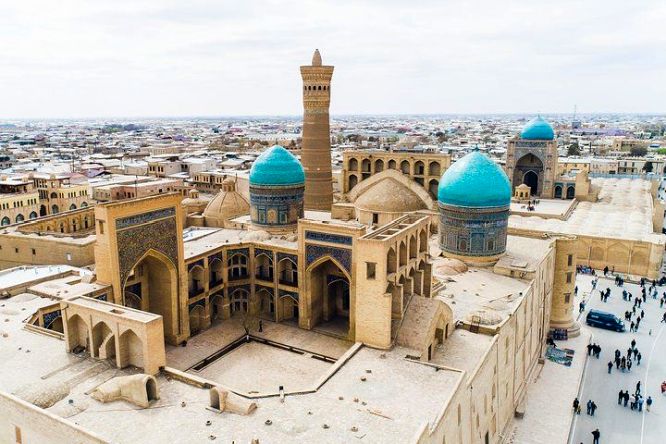
Poi Kalyan Complex
The iconic Poi Kalyan Complex forms the cultural and spiritual center of Bukhara. The complex includes a grand mosque, a madrasa, and the famous Kalyan Minaret. Together, these structures create a strong architectural harmony.
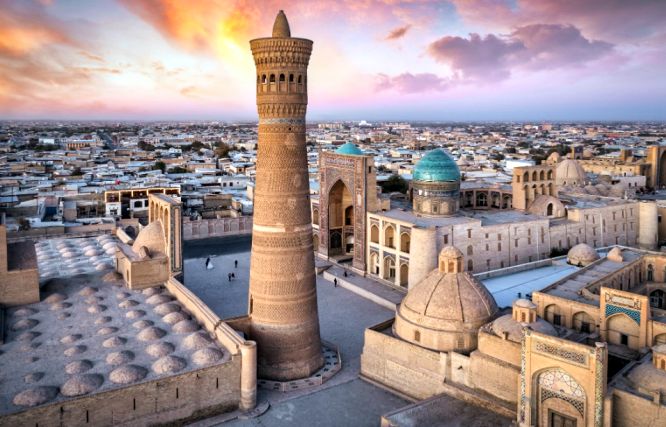
In the past, the minaret guided travelers across the desert and symbolized authority. Today, however, it remains one of the most striking landmarks dominating the city skyline.
Ark Fortress: The Seat of Power
The historic Ark of Bukhara once served as a royal residence and administrative center. At the same time, it functioned as a self-contained city within the larger urban environment. This structure offers valuable insights into historical governance.
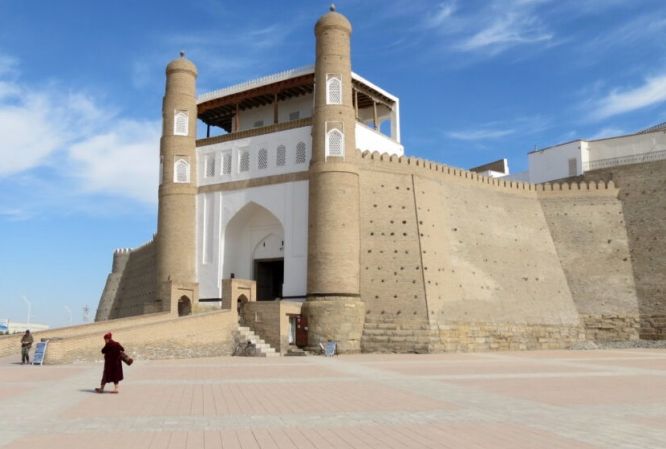
While rulers made decisions inside the fortress, daily life continued in the surrounding areas. Therefore, the site reflects both political authority and social organization.
Lyabi-Hauz Ensemble
Located in the city center, Lyabi-Hauz offers a calm and inviting atmosphere. The historic pool at its center creates a natural focal point and adds balance to the surroundings. Trees and madrasas frame the area with visual harmony.
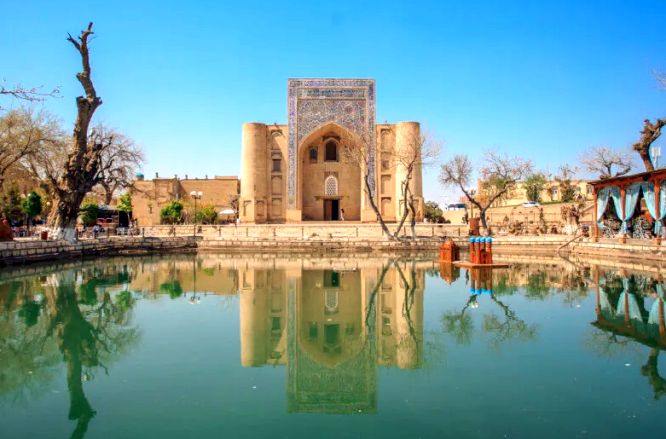
In addition, traditional teahouses provide a warm and welcoming environment. For this reason, many visitors choose this area as a place to relax after long walks.
A Center of Islamic Learning
For centuries, Bukhara served as one of the most important centers of Islamic education. Students from different regions came here to study religion, science, and philosophy. As a result, the city played a significant role in intellectual development.
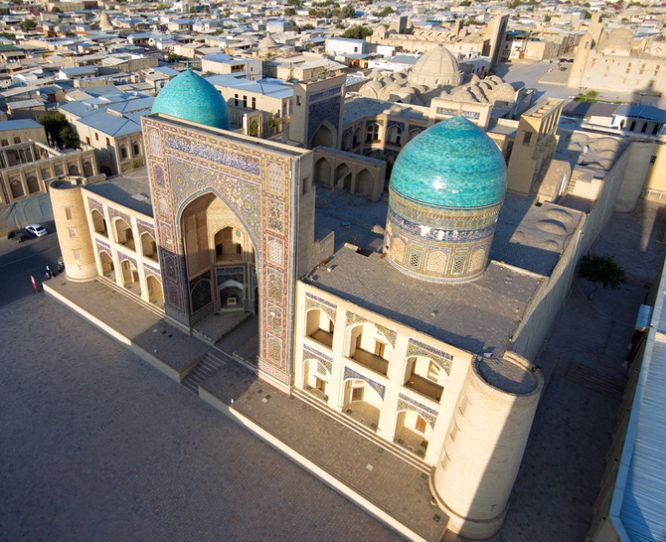
The Mir-i-Arab Madrasa represents this educational tradition. Furthermore, influential scholars such as Avicenna contributed to the region’s scientific legacy.
Other famous Islamic structures in the city include;
Ismail Samani Mausoleum
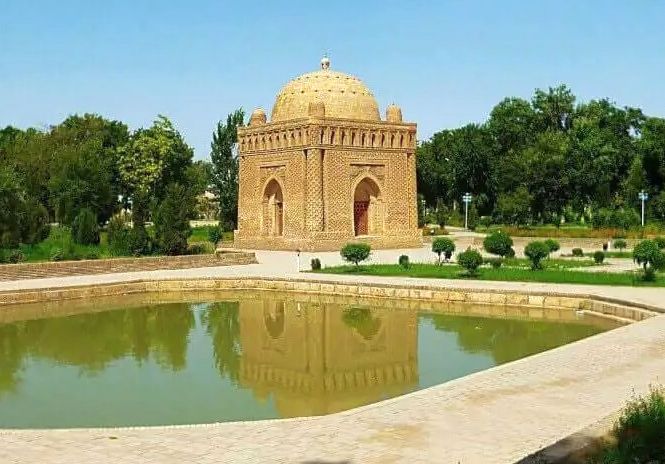
Ismail Samani Mausoleum is one of the oldest structures in Central Asia. The building, with its intricate brick patterns and elegant design, represents an example of early Islamic architecture in the region. Consequently, it is considered a masterpiece of historical architecture.
Chor Minor Madrasah
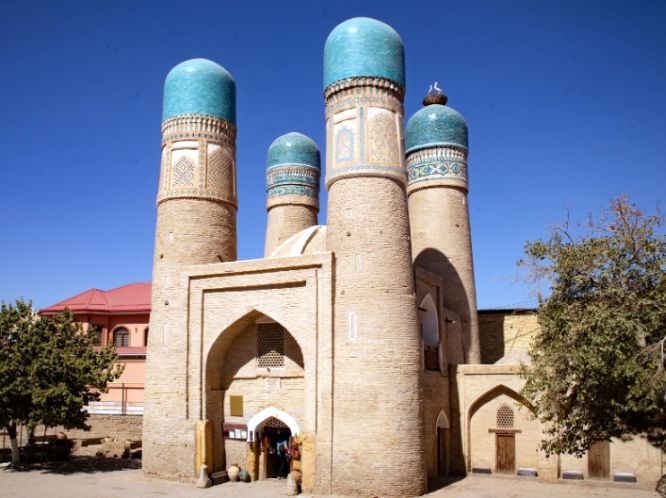
Chor Minor is known for its four distinctive towers. Moreover, each tower has a unique architectural style. In addition, the structure stands out among Bukhara’s traditional buildings. Therefore, it is a popular spot for photography.
Bolo Haouz Mosque
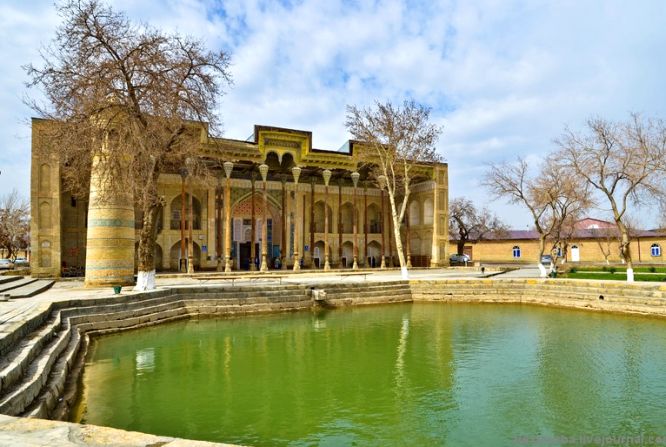
Bolo Haouz Mosque is famous for its elegant wooden columns. The mosque reflects traditional Central Asian design, and the nearby pool adds to its beauty. Therefore, it remains one of the city’s most charming sites
Traditional Markets and Crafts in Bukhara
Bukhara’s trading tradition remains alive today, and its bazaars continue to play a central role in city life. Historic domed markets still operate and offer an authentic shopping experience. As a result, visitors can connect with local culture more directly.
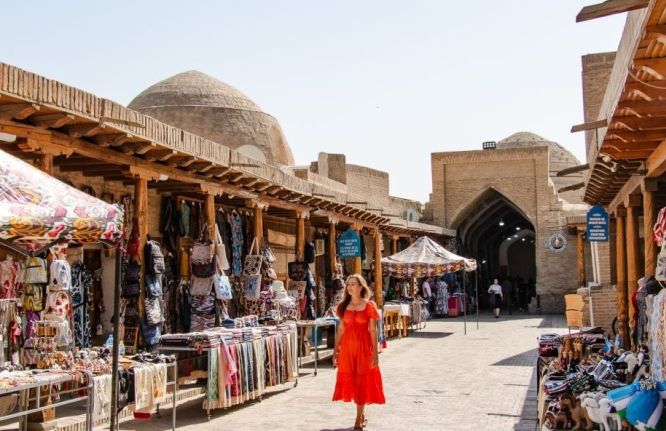
Here, travelers can find carpets, ceramics, and handmade textiles. At the same time, conversations with artisans provide deeper insight into cultural continuity.
Desert Architecture and Urban Design
The city’s architecture has adapted to the desert climate, shaping daily life in practical ways. Thick walls and inner courtyards help maintain cooler temperatures during hot days. Therefore, buildings offer both function and aesthetic value.
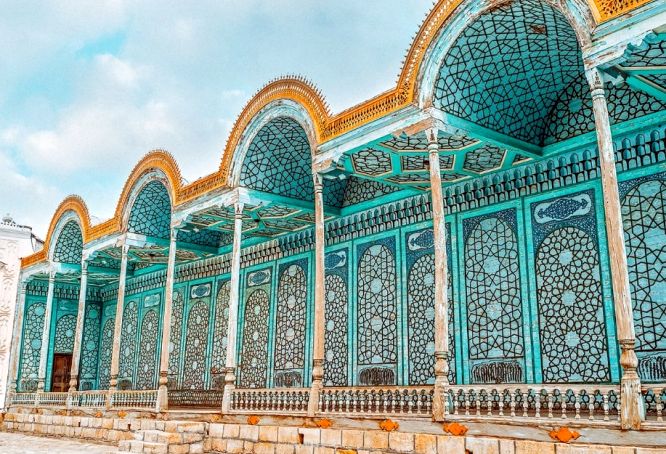
Narrow streets reduce direct sunlight and create natural shade. Consequently, Bukhara demonstrates a strong harmony between environment and urban design.
When to Visit Bukhara
The best time to visit Bukhara is generally during spring and autumn. During these seasons, temperatures remain mild and allow for comfortable exploration. In addition, outdoor activities become much more enjoyable.
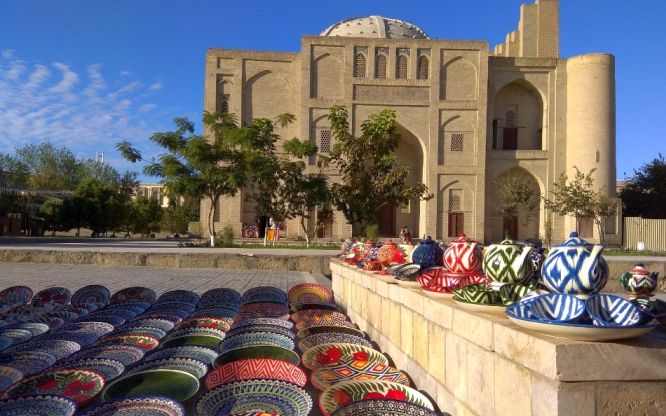
However, summer temperatures can rise significantly. For this reason, many travelers prefer visiting between April–May or September–October.
Bukhara combines history, culture, and architecture in a unique way. The city’s monuments and streets reflect centuries of Silk Road heritage. Moreover, its calm atmosphere creates a relaxing travel experience. Therefore, Bukhara remains one of the most fascinating destinations in Uzbekistan.
Visit for Bukhara’s Hotels: Click and Restaurants: Click