

On August 6, 1945, the history of a city changed completely. The name of this city is Hiroshima. Built on a river delta flowing into the gulf on the Japanese island of Honshu, this city was the first city in the world to experience a nuclear attack. Hiroshima, which experienced this terrible pain together with the city of Nagasaki, became a global symbol after the atomic bomb.

Hiroshima after atomic bomb (1945)
Hiroshima is not just a place to visit, it is a deeply moving experience that invites thought. Walking through its quiet parks and modern streets, it is impossible not to feel the weight of history and the power of human endurance. For those looking for a meaningful journey, Hiroshima offers both education and emotional depth.
Hiroshima Peace Memorial Park: The Heart of Remembrance
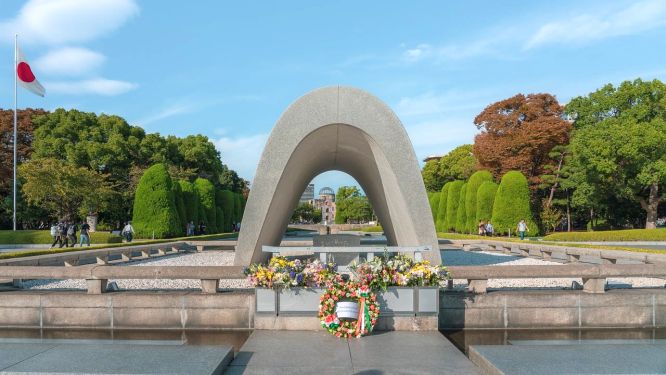
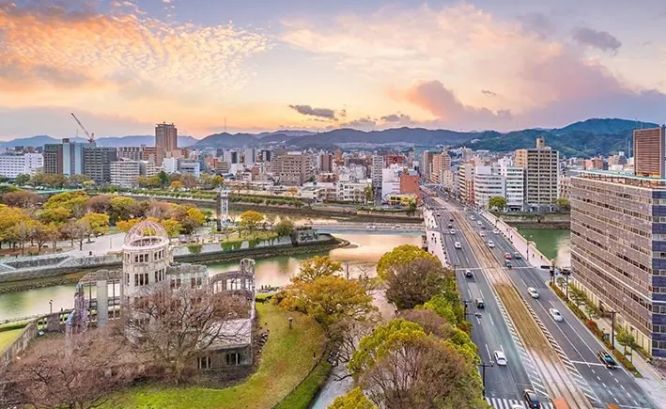
The Hiroshima Peace Memorial Park is the city’s most significant site, created to honor the victims of the 1945 atomic bombing. Here, monuments like the Cenotaph, the Peace Flame, and the haunting remains of the Atomic Bomb Dome stand as symbols of remembrance and hope. The atmosphere is quiet and solemn, encouraging visitors to reflect on the value of peace.
Hiroshima Mon Amour (1959) – Click
Sadako Sasaki: A Quiet Symbol of Peace
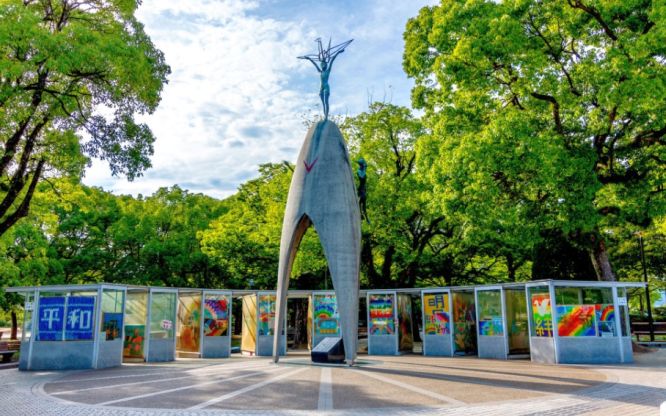
Sadako Sasaki was a young girl who survived the Hiroshima atomic bombing but later developed leukemia due to radiation exposure. According to legend, she folded 1,000 paper cranes in hopes of making a wish for recovery—a gesture that has since become a global symbol of peace. In her memory, the Children’s Peace Monument stands in Peace Park, where children from around the world still send paper cranes today.
The Little Girl of Hiroshima (The poem “Girl Child” written by the famous Turkish poet Nazım Hikmet in memory of Sadako Sasaki.)
A Visit to the Hiroshima Peace Memorial Museum
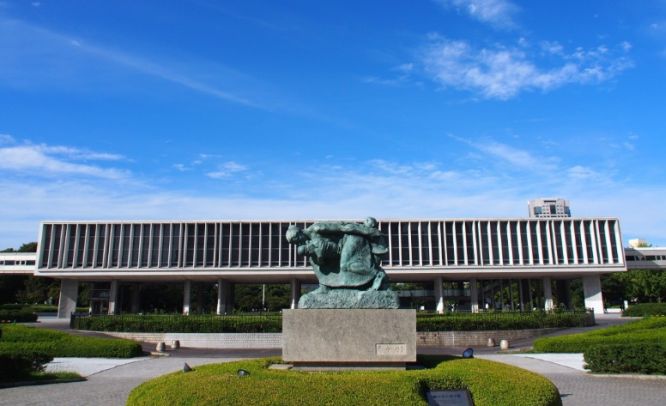
Adjacent to the park, the Peace Memorial Museum presents a powerful and respectful narrative of the atomic bombing. Personal items, survivor testimonies, and photographs help visitors understand the human cost of war. Though emotionally intense, the museum focuses not on blame but on advocating for peace and nuclear disarmament.
Temples of Hiroshima: Quiet Corners of Spiritual Reflection
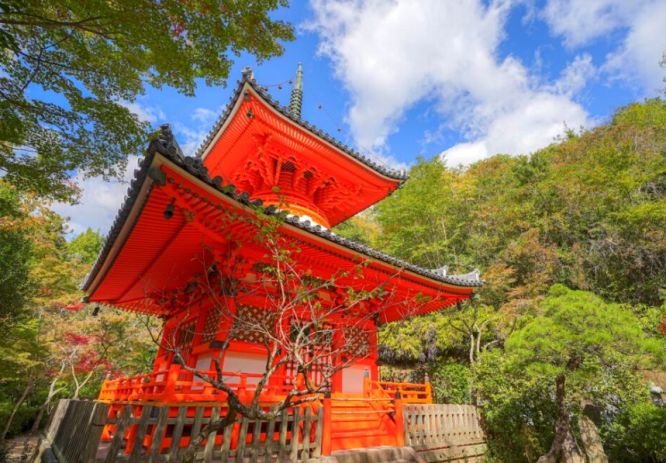
Mitaki-dera
Beyond its historical landmarks, Hiroshima is also home to several serene temples that offer moments of quiet introspection. Mitaki-dera Temple, nestled in the forested hills just outside the city center, is especially peaceful, featuring waterfalls, moss-covered paths, and a three-story pagoda. Closer to downtown, Fudoin Temple is a hidden gem with intricate architecture dating back to the 14th century.
Miyajima Island: Sacred Beauty Near Hiroshima
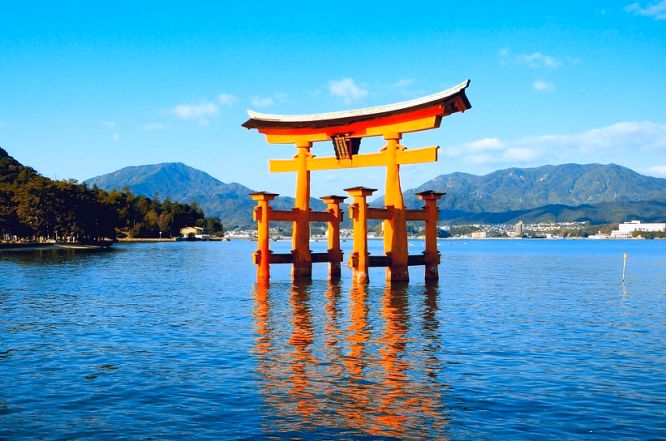
Itsukushima Shrine
A short ferry ride from the city takes you to Miyajima Island, home to the famous floating Itsukushima Shrine. After Hiroshima’s somber stories, Miyajima brings a sense of calm and spiritual balance. The iconic red torii gate appears to float during high tide, creating one of Japan’s most photogenic scenes. The island also offers hiking trails, friendly deer, and traditional ryokan stays.
Shukkeien Garden: A Peaceful Stroll Through Time
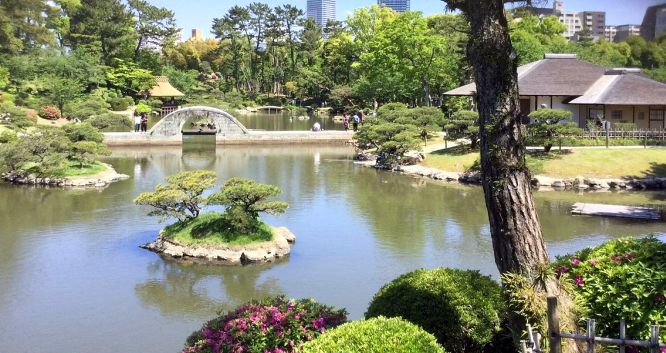
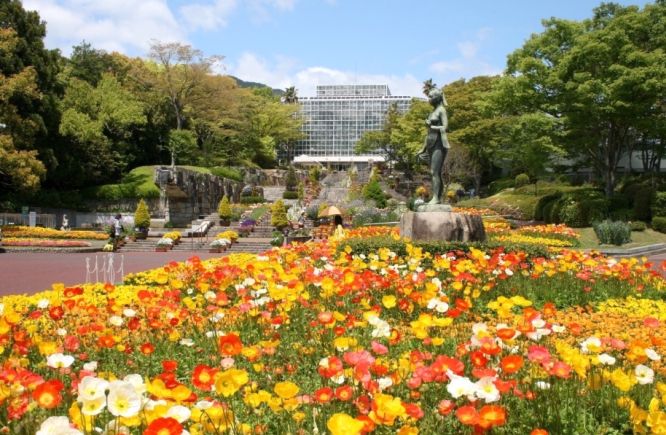
For those seeking tranquility, Shukkeien Garden is a beautifully preserved landscape garden originally built in the 17th century. Winding paths, koi-filled ponds, and seasonal blooms provide a peaceful escape in the middle of the city. Despite being damaged by the atomic bomb, the garden was lovingly restored and now symbolizes Hiroshima’s quiet strength. It’s especially beautiful during cherry blossom and autumn foliage seasons.
Hiroshima Castle: Rebuilt with Quiet Pride
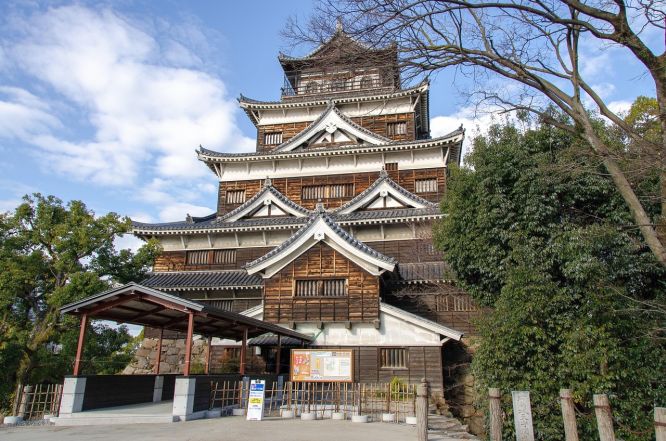
Hiroshima Castle, also known as the Carp Castle, is a reconstruction of the original 16th-century structure destroyed in 1945. It’s a lesser-known stop that adds depth to your Hiroshima itinerary. Today, it houses a museum about Hiroshima’s samurai history and offers panoramic views from its top floor. Surrounded by a moat and a peaceful park, the castle area blends history with leisure.
Local Flavors: Trying Hiroshima-Style Okonomiyaki
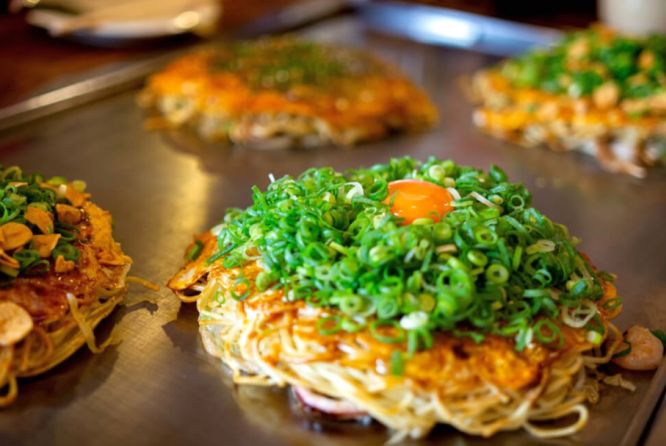
Food is also part of Hiroshima’s identity, and no visit is complete without trying Hiroshima-style okonomiyaki. This savory pancake is layered (not mixed) with cabbage, noodles, pork, and egg—grilled to perfection right before your eyes. Okonomimura, a multi-floor food complex, is a popular spot to try different versions of this local specialty. Sharing a meal here feels like sharing a piece of the city’s soul.
A City That Chooses Peace
What makes Hiroshima unforgettable is not only its tragic past but also how it chose to rebuild—with open arms, international outreach, and a firm commitment to peace. Hiroshima’s message is not about the past—it’s about creating a better future. The city today is vibrant, green, and forward-looking, without ever forgetting where it came from. Schools bring children here to learn, and survivors (hibakusha) often share their stories to educate future generations.
Hiroshima doesn’t ask for pity—it asks for understanding. It shows us how a city can bear unimaginable pain and still choose compassion, creativity, and peace. Visiting Hiroshima isn’t just about learning history; it’s about listening, feeling, and connecting. In a world still struggling with division and regional wars, Hiroshima reminds us that healing is possible—and necessary.
Visit for Hiroshima Hotels and Restaurants: Click and Click
