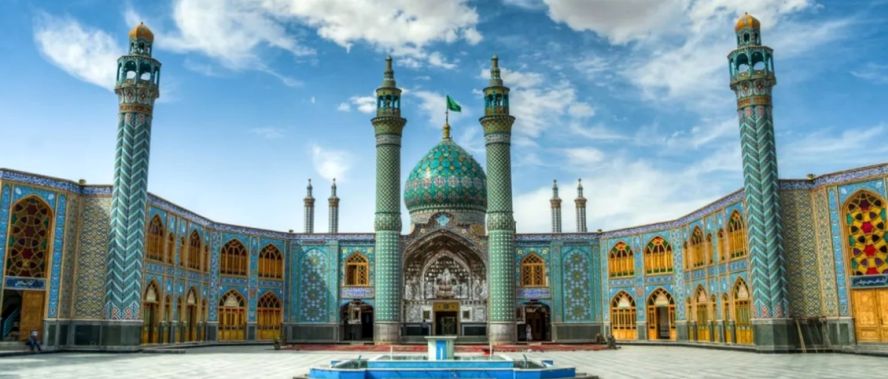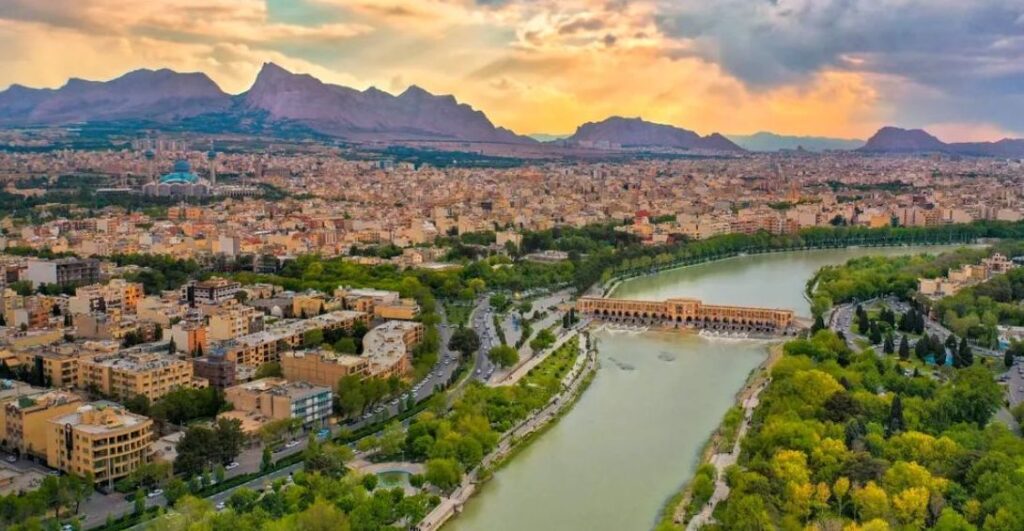
Isfahan, located in the heart of Iran and one of the country’s three major cities, unfolds like a meticulously composed poem.. Turquoise domes rise above wide squares, and bridges stretch across a river that once shaped an empire’s rhythm.
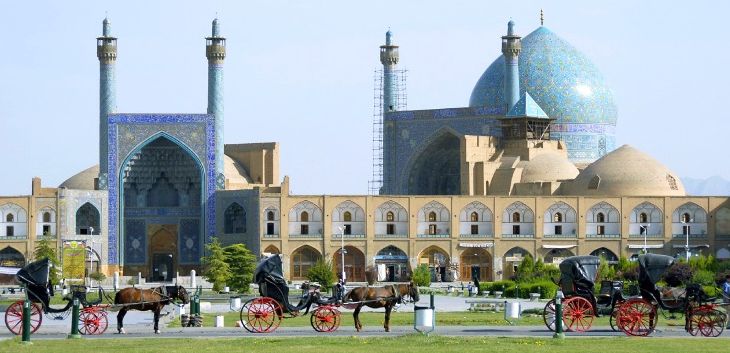
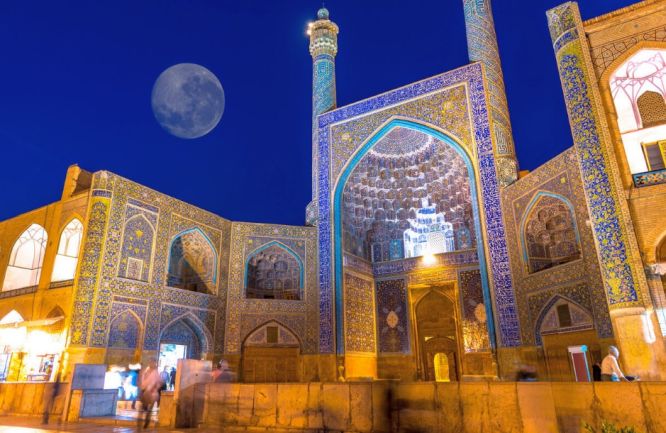
Shah Imam Mosque
Known as “Nesf-e Jahan,” meaning half the world, the city earned this title through its unmatched harmony. Its architecture, culture, and human scale create a balance that feels both grand and intimate. Furthermore, this historic city was a key stop on the Silk Road for centuries. Therefore, like Bukhara and Samarkand, it carries the memory of the Silk Road. Now, how about tracing the footsteps of the travelers of those ancient times?
A Brief Look into Isfahan’s Past
Isfahan reached its golden age during the Safavid era, when Shah Abbas I transformed it into a grand capital filled with palaces, mosques, and gardens that reflected both power and refinement. Subsequently, the city prospered as a center of trade, art, and intellectual life, attracting merchants and travelers from distant lands.
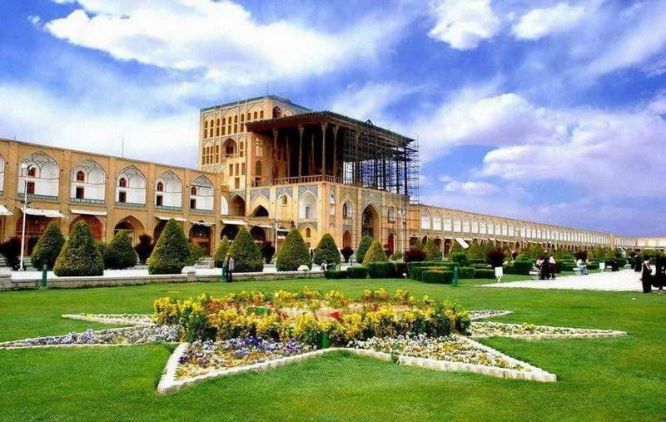
Ali Qapu Palace
Its location along historic trade routes contributed to its wealth, while the Zayandeh River nourished gardens and gave life to its iconic bridges.
The Soul of the City: Naqsh-e Jahan Square
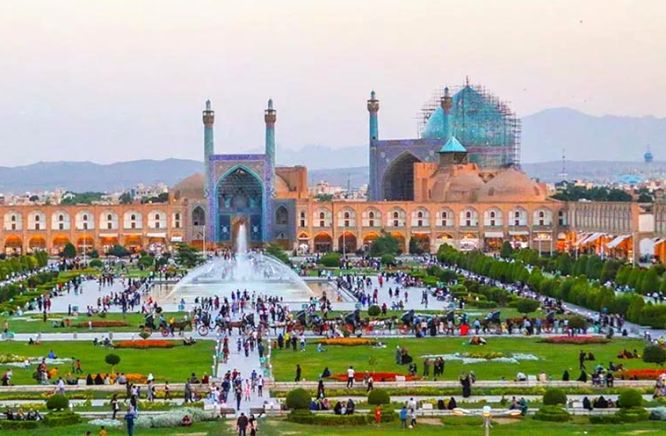
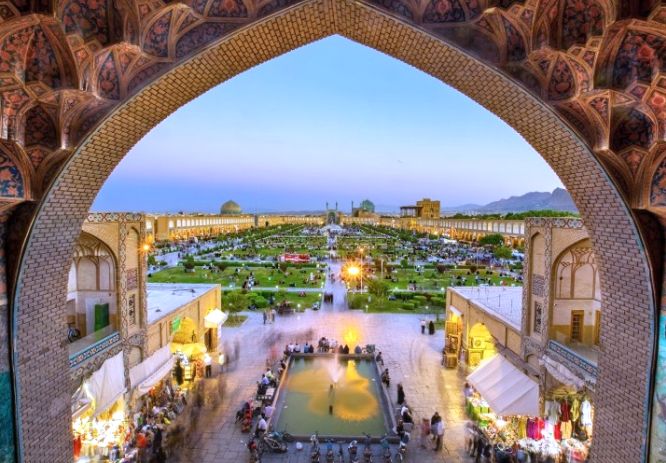
At the center of Isfahan lies Naqsh-e Jahan Square, a vast and elegant space that reflects the vision of an empire at its peak. This UNESCO-listed square ranks among the largest in the world and is surrounded by architectural masterpieces that define Persian aesthetics.
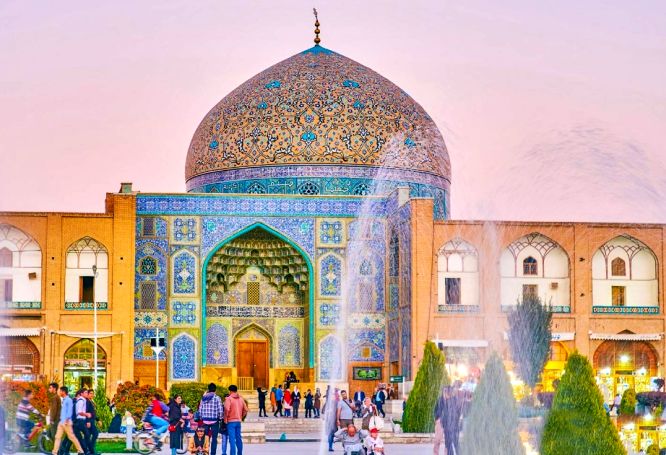
Sheikh Lotfollah Mosque
Nearby, you will encounter landmarks such as Imam Mosque, Sheikh Lotfollah Mosque, and Ali Qapu Palace, each revealing a different layer of artistic mastery through tilework, geometry, and spatial design.
Bridges, Gardens, and Quiet Evenings
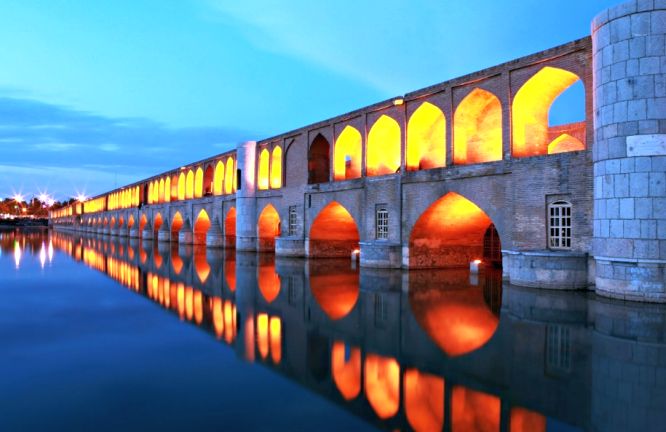
Si-o-se-pol Bridge
Isfahan invites slow exploration, especially along its historic bridges like Si-o-se-pol and Khaju Bridge, where locals gather in the evening and the arches glow softly over the water. These structures serve not only as crossings but also as social spaces shaped by centuries of daily life.
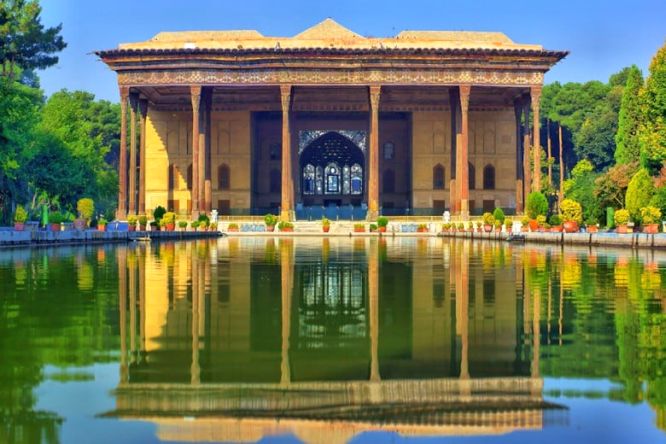
Chehel Sotoun
Gardens such as Chehel Sotoun reveal another dimension of the city, where reflections in long pools mirror painted halls and create an atmosphere that feels both serene and theatrical.
Culture, Craft, and Everyday Life
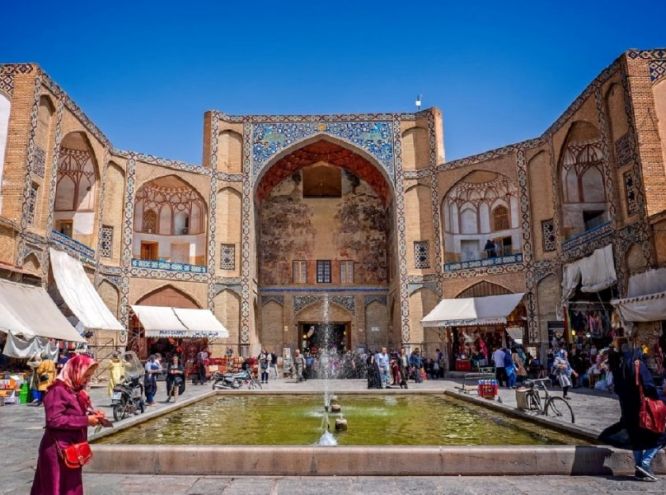
Grand Bazaar (Qeysarie Bazaar)
The city’s identity extends beyond monuments, as traditional bazaars offer intricate handicrafts, carpets, and delicate metalwork that reflect generations of skill and patience. Isfahan has long been a center of craftsmanship, where art and daily life remain closely intertwined. For example, the Isfahan Grand Bazaar is one of the most vibrant examples of this cultural continuity, offering visitors both shopping and observation opportunities.
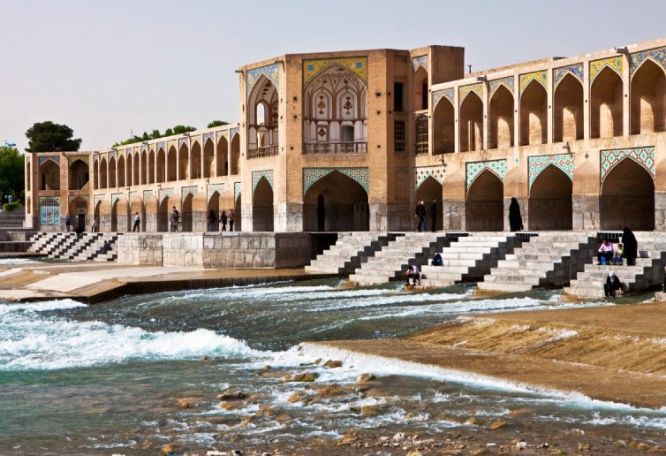
Khaju Bridge
Walking through its streets, you sense a balance between grandeur and intimacy, where monumental spaces open into quiet corners filled with trees, fountains, and the gentle rhythm of conversation.
Top Things to Do in Isfahan
Here are the most remarkable places and experiences you may want to explore while visiting the city:
- Explore Naqsh-e Jahan Square
This vast square forms the heart of Isfahan, surrounded by architectural masterpieces that reflect the ambition of an empire. - Visit Imam Mosque
Its grand dome and intricate tilework create one of the finest examples of Persian Islamic architecture. - Discover Sheikh Lotfollah Mosque
Unlike other mosques, this elegant structure offers a more intimate space with delicate patterns and soft light. - Climb Ali Qapu Palace
The palace provides a striking view over the square and reveals the ceremonial life of the Safavid court. - Walk across Si-o-se-pol Bridge
This long bridge becomes especially atmospheric in the evening when locals gather beneath its arches. - Spend time at Khaju Bridge
Its design combines function with beauty, creating a place where architecture and social life meet. - Relax in Chehel Sotoun
The pavilion and reflecting pool create a serene setting that feels both artistic and peaceful. - Wander through Isfahan Grand Bazaar
This lively market offers carpets, handicrafts, and a glimpse into the city’s long trading tradition. - Visit Vank Cathedral
Located in the Armenian quarter, this cathedral blends Persian and Christian artistic elements in a unique way. - Stroll along the Zayandeh River
The riverbanks provide a calm escape where you can observe daily life and enjoy the city’s slower rhythm.
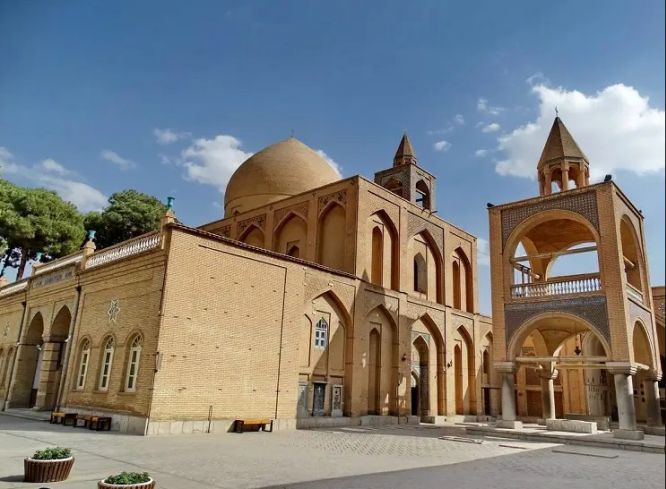
Vank Armenian Cathedral
Why Isfahan Stands Out
Isfahan offers a rare balance between monumental architecture and human-scale spaces, where vast squares lead naturally into quiet gardens and shaded streets. Moreover, its harmony lies not only in design but also in the way history, culture, and daily life continue to coexist without losing their character.
Quick Comparison Table
| Feature | Isfahan | Other Historic Cities |
|---|---|---|
| Architecture | Highly symmetrical and refined | Often more varied |
| Atmosphere | Calm and poetic | Sometimes crowded |
| Cultural Depth | Strong Safavid influence | Mixed influences |
| Walkability | Very comfortable | Depends on city |
Key Highlights at a Glance
| Attraction | Why It Matters | Experience |
|---|---|---|
| Naqsh-e Jahan Square | UNESCO heritage, architectural core | Vast open space surrounded by masterpieces |
| Si-o-se-pol Bridge | Iconic Safavid bridge | Best visited at sunset |
| Chehel Sotoun | Palace and garden complex | Reflections and frescoes |
| Grand Bazaar | Cultural and commercial hub | Local crafts and atmosphere |
| Imam Mosque | Masterpiece of Islamic architecture | Tilework and symmetry |
Isfahan does not overwhelm with noise or urgency; instead, it reveals itself gradually through symmetry, color, and quiet detail, allowing each visitor to form a personal connection with its spaces.
Those who spend time here often realize that the phrase “half the world” does not describe size or power, but rather the feeling that a single city can hold beauty, history, and meaning in perfect balance.