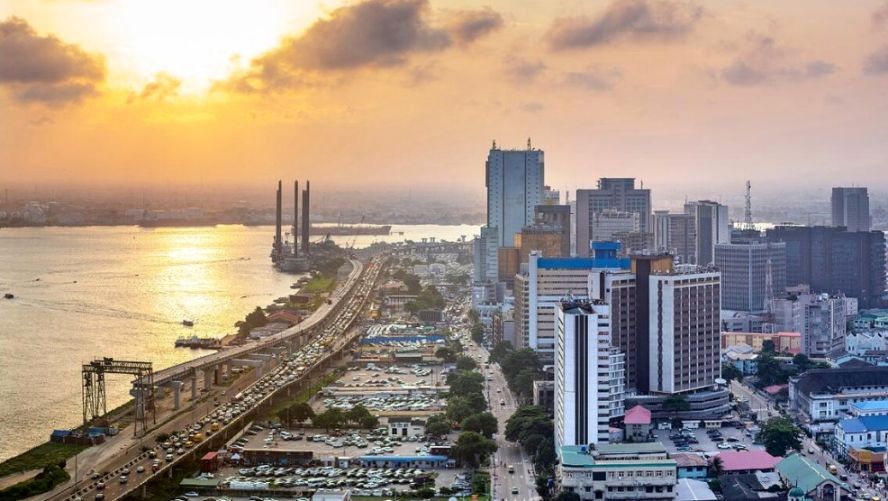
Some cities grow slowly.
Lagos expands, reinvents, and accelerates.
Here is one of the two largest and most populous cities in Africa, along with Cairo. As Nigeria’s largest city and economic powerhouse, Logos is not designed for passive observation. It demands attention. Markets overflow with movement, music escapes from open windows, and traffic itself becomes part of the rhythm.
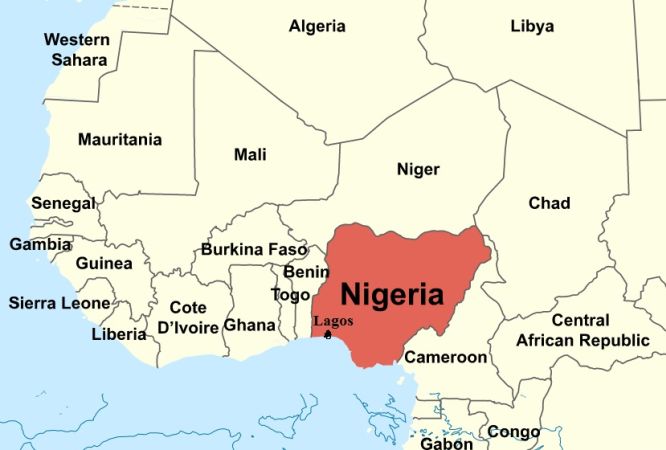
To understand Lagos, you must think beyond stereotypes. This is not a single narrative city — it is layered, ambitious, and constantly evolving.
A Megacity in Motion
With a population estimated in the tens of millions, Lagos ranks among the fastest-growing urban areas in the world. Migration from across Nigeria and West Africa fuels its expansion.
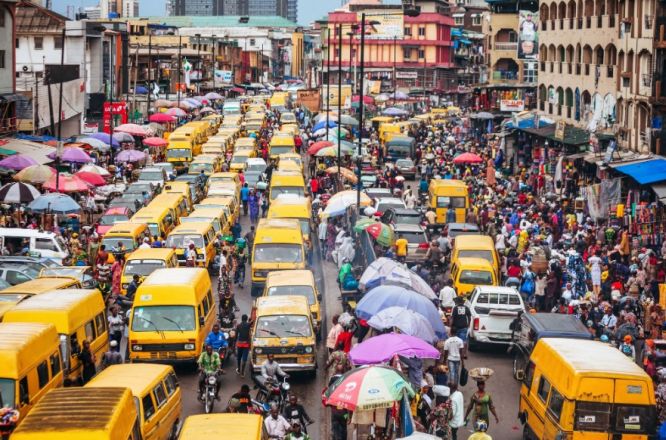
Unlike cities shaped by long imperial continuity, Lagos feels entrepreneurial. Informal economies operate beside high-rise developments. Construction cranes reshape the skyline while traditional markets remain central to daily life.
Movement defines Lagos.
The Cultural Engine of Nigeria
Lagos stands at the heart of Nigeria’s creative industries.
Afrobeats, Nollywood cinema, contemporary art, and fashion all thrive here. Artists use the city as both inspiration and stage. Global names like Burna Boy and Wizkid emerged from this dynamic cultural ecosystem.
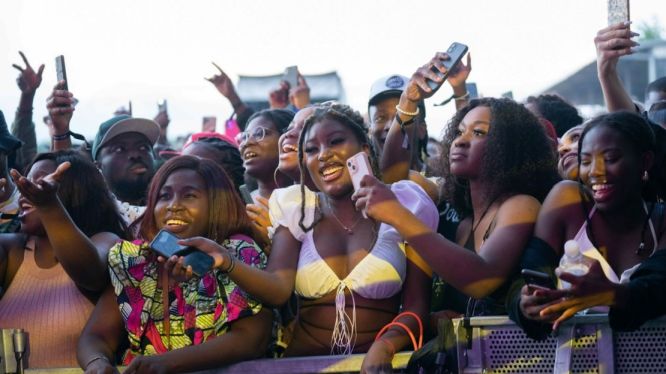
Music in Lagos is not background noise — it is social commentary, celebration, and identity.
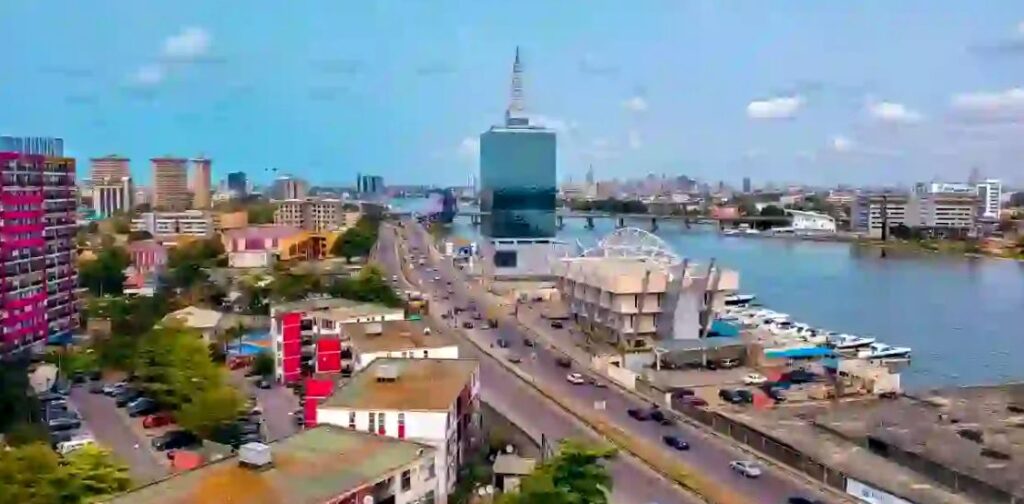
Victoria Island and the Modern Skyline
Victoria Island represents the city’s financial ambition. Corporate headquarters, luxury hotels, and upscale restaurants cluster here. The famous Civic Tower, in particular, stands out as an iconic landmark of the area.
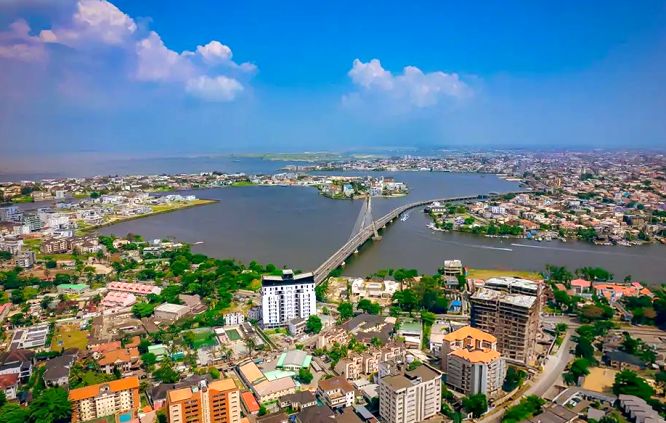
Yet even in this polished district, the city’s unpredictability remains. Power cuts, traffic congestion, and rapid development coexist with international business culture.
Lagos rarely presents a single image of itself.
Lekki: Expansion Toward the Future
The Lekki Peninsula symbolizes the city’s forward momentum. Gated communities, tech hubs, and infrastructure projects reflect Lagos’ long-term growth plans.
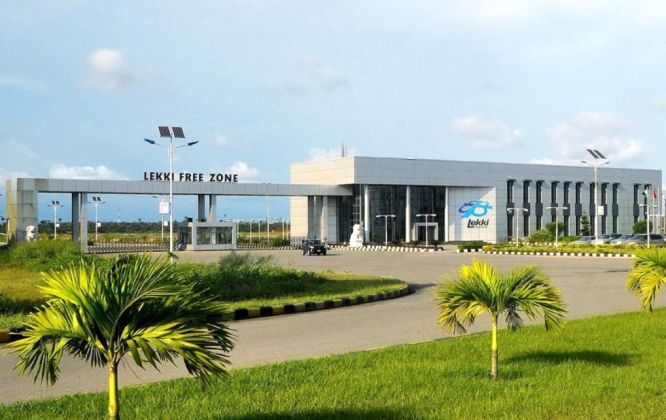
Developments such as the Lekki Free Trade Zone signal Nigeria’s broader economic ambitions.
The city stretches outward as much as upward.
Markets as Social Theaters
Markets in Lagos are more than commercial spaces — they are social arenas.
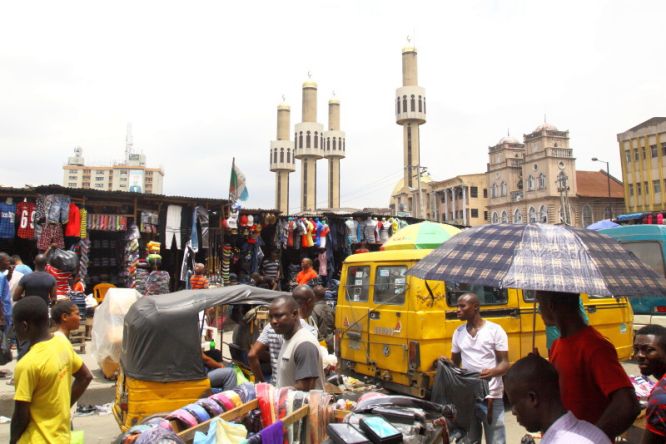
Balogun Market
Places like Balogun Market operate with remarkable complexity. Negotiation, storytelling, and community interaction define the experience. Commerce here feels intensely human and immediate.
If you want to observe Lagos’ true tempo, spend time in its markets.
The Atlantic and the Edge of the City
Lagos faces the Atlantic Ocean, and water shapes its geography. Coastal erosion, land reclamation projects, and beach culture all influence urban development.
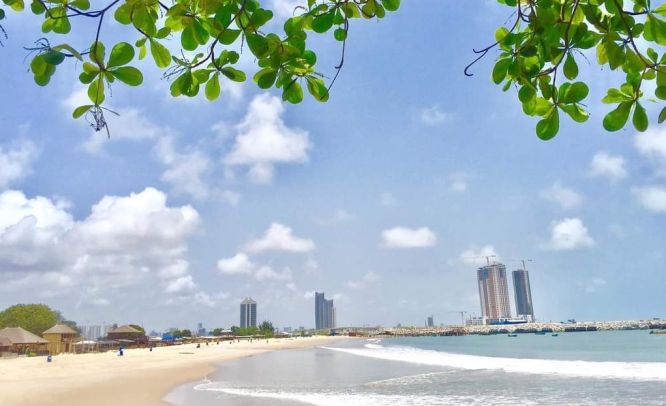
Tarkwa Bay beaches
Beaches such as Tarkwa Bay provide contrast to the city’s density. Here, the Atlantic softens the urban intensity — at least temporarily.
Inequality and Urban Contrast
Lagos is also a city of stark contrasts.
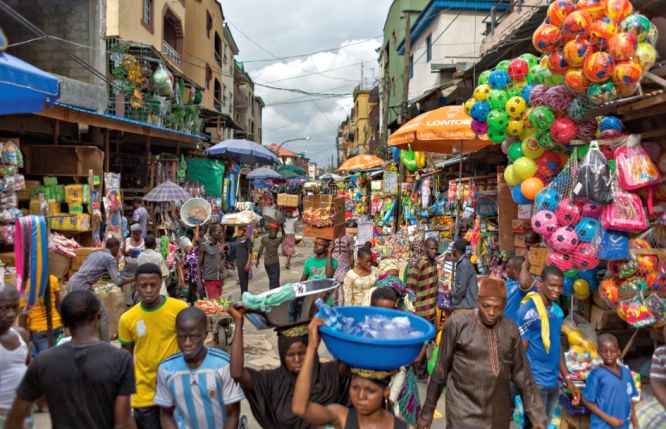
Luxury developments stand not far from informal settlements. Infrastructure struggles to keep pace with population growth. Traffic can feel overwhelming.
Yet resilience defines daily life. Adaptation is not optional here — it is a way of living.
Nature and Wildlife Escapes Around the City
Although Lagos is known for its density and energy, nature remains surprisingly accessible.
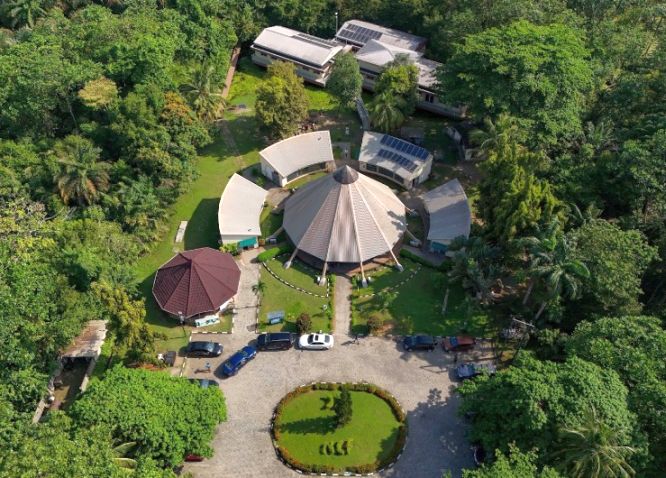
Lekki Conservation Centre
The Lekki Conservation Centre offers a protected wetland environment where visitors can walk along one of Africa’s longest canopy walkways. Suspended above the forest floor, the wooden bridge reveals a different side of Lagos — quieter, greener, and more reflective.
For a more structured wildlife experience, Omu Resort combines small-scale wildlife encounters with recreational spaces. While not a vast safari park, it provides insight into regional fauna and conservation efforts.
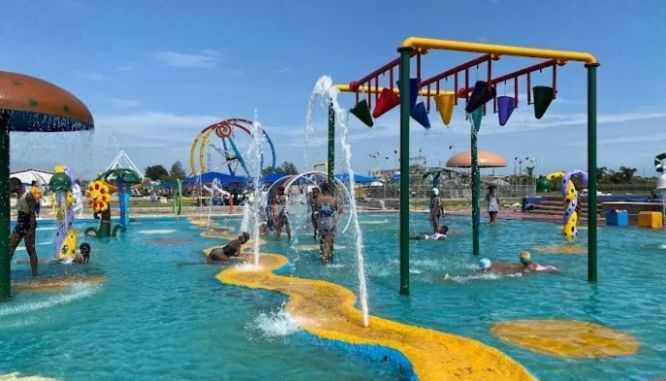
Omu Resort
These green spaces remind visitors that Lagos is not only concrete and coastline — it is also part of a broader tropical ecosystem.
Cultural Landmarks and Museums
Lagos’ cultural identity is also preserved in its institutions and historic buildings.
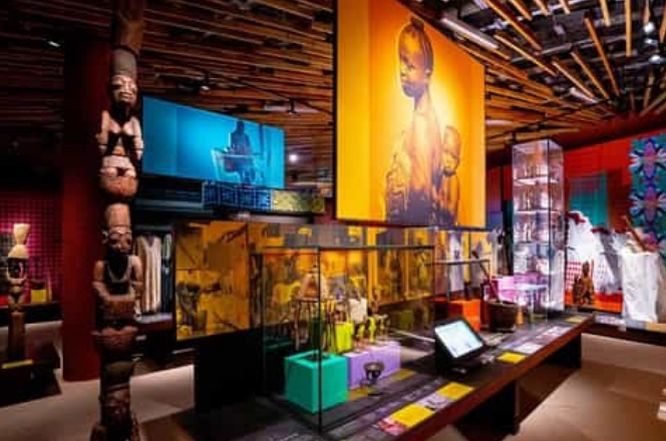
National Museum Lagos
The National Museum Lagos houses important archaeological and ethnographic collections, including artifacts linked to Nigeria’s pre-colonial civilizations. It offers context for understanding the country beyond contemporary headlines.
For modern art enthusiasts, the Nike Art Gallery stands out as one of West Africa’s largest art spaces. Its multi-floor collection showcases traditional textiles, contemporary paintings, and sculpture, reflecting Nigeria’s creative diversity.
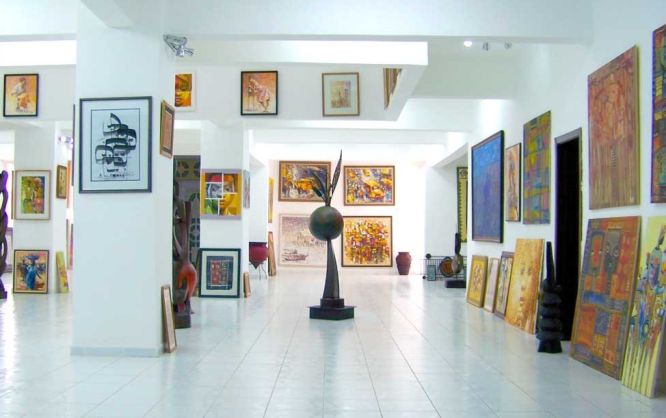
Nike Art Gallery
Historic architecture can also be seen in areas like Lagos Island, where colonial-era buildings stand alongside mosques, churches, and bustling commercial streets. These layered urban textures reveal the city’s complex past.
When to Visit Lagos
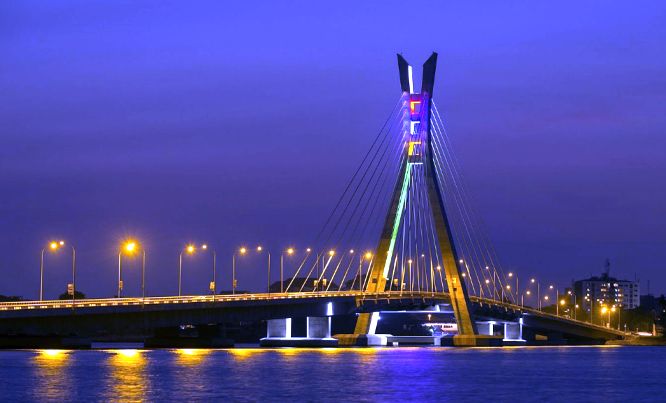
Lekki Ikoyi Bridge
The city has a tropical climate and remains warm and humid throughout the year. The best time to visit is generally during the dry season, from December to March, when rainfall is lower and conditions feel more comfortable. From April to November, heavier rains and higher humidity may make daily exploration more challenging.
Why Lagos Leaves an Impression
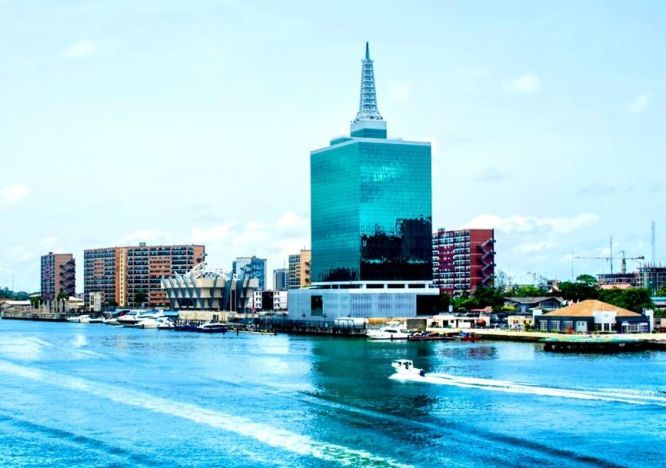
Civic Tower – Victoria Island
Lagas does not aim to charm visitors gently. It confronts you with scale, noise, creativity, and ambition. Of course, it’s not just that. The city paints a realistic profile of Sub-Saharan Africa, with all its positive and negative aspects.
For travelers interested in contemporary urban Africa — not just history but present momentum — Lagos offers insight into a city shaping the continent’s cultural future.
Visit for Lagos Hotels: Click and Restaurants: Click