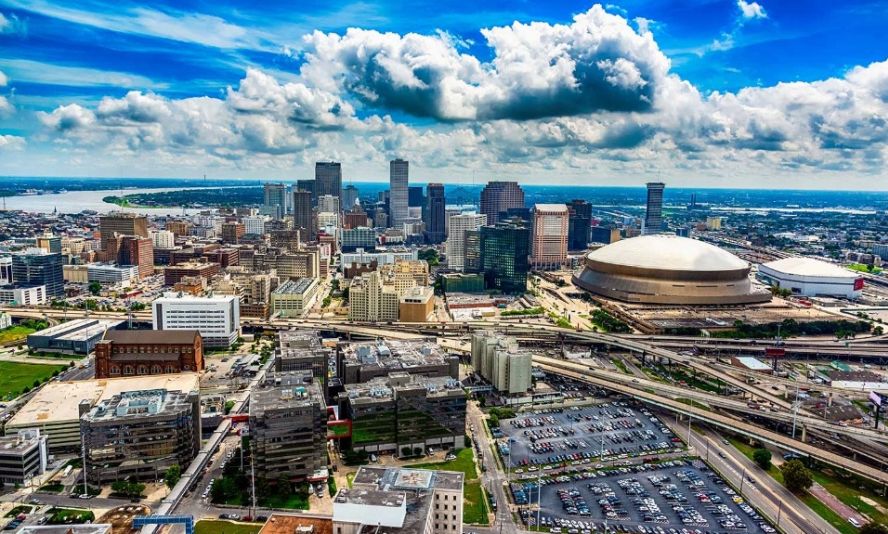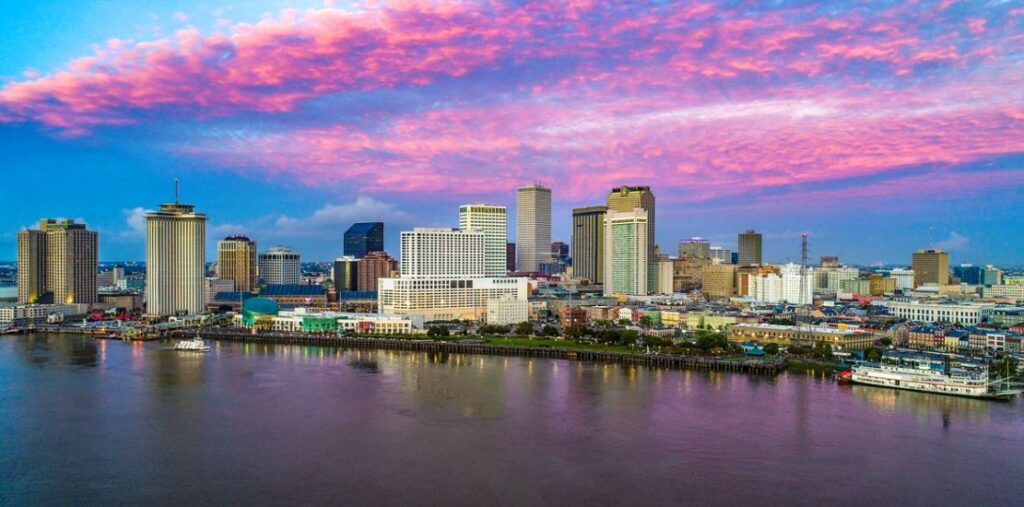
There are cities you visit — and cities you feel. New Orleans belongs firmly to the second category.
Located along the Mississippi River in Louisiana, this city is not just a destination; French, Spanish, African and Caribbean influences a cultural ecosystem shape the city’s identity. Music spills into the streets, balconies lean over narrow lanes, and history feels unusually close.
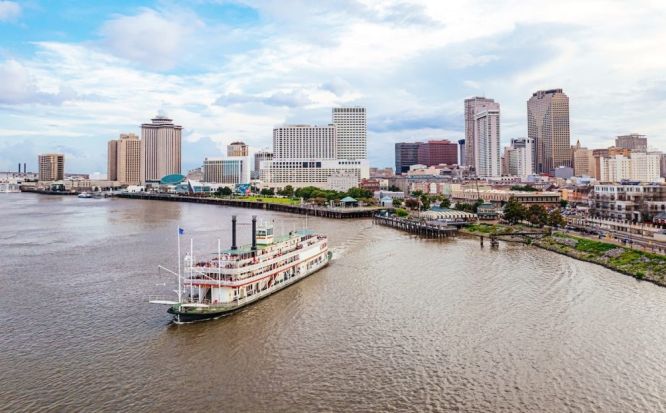
The city also has some interesting nicknames. Big Easy is the best known, for example. It’s also known as the “Crescent City” because it’s a port city and the bay cuts through the harbor like a crescent. Another nickname is NOLA, an abbreviation of New Orleans and Louisiana.
Let’s explore what makes New Orleans unlike anywhere else in the United States.
The French Quarter: The City’s Living Memory
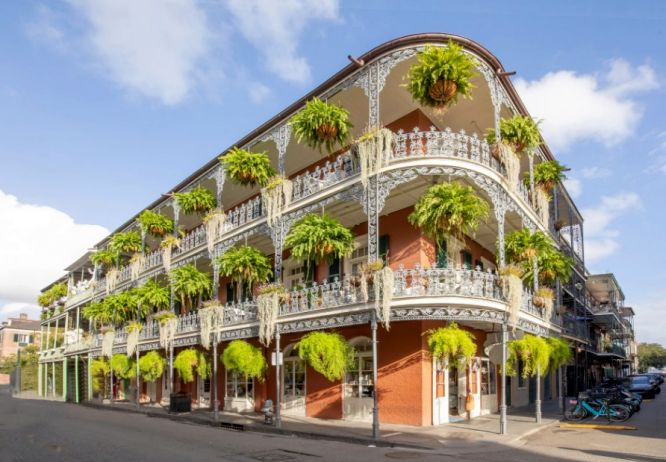
The historic heart of New Orleans is the French Quarter. Iron balconies, colorful façades, and inner courtyards reflect centuries of layered influence.
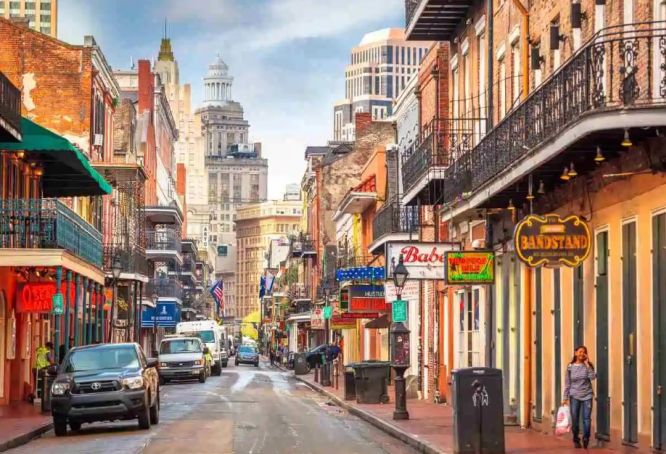
You may want to walk slowly here. The architecture is not purely French — much of what you see today carries strong Spanish colonial elements due to rebuilding after 18th-century fires. The area feels theatrical yet intimate at the same time.
Jazz: Not Just Music, But Identity
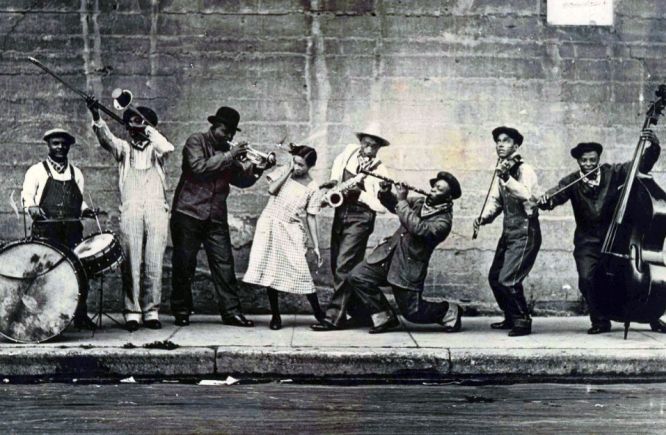
New Orleans Jazz Bands (Early 20th century)
Music historians consider New Orleans the birthplace of jazz. This is where figures like Louis Armstrong shaped a sound that would influence the world. Jazz here is not confined to concert halls. It emerges in small clubs, street corners, and improvised performances. The music feels conversational — as if the city itself is speaking.
A City Built Between River and Sea

Understanding New Orleans also means understanding its relationship with water. Geographically, New Orleans sits in a fragile landscape. Engineers protect much of the city with levees and water management systems.
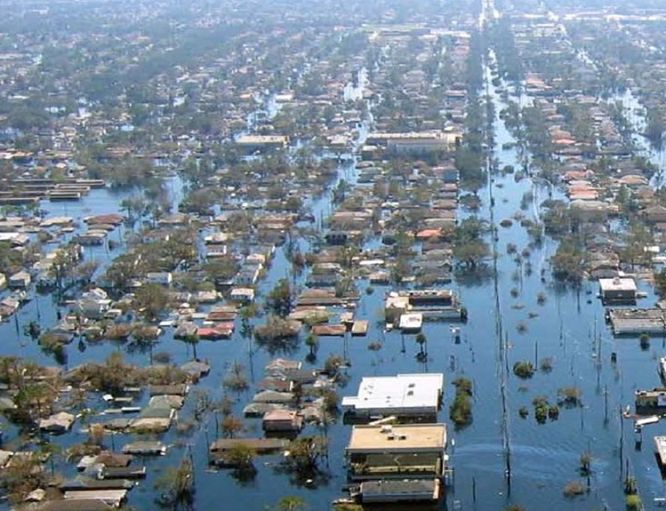
Aftermath Hurricane Katrina in New Orleans (September 2005)
Hurricane Katrina reshaped the city and remains one of the most defining chapters in its modern history. Recovery reshaped neighborhoods and conversations about resilience, inequality, and heritage.
The Garden District: A Different Elegance
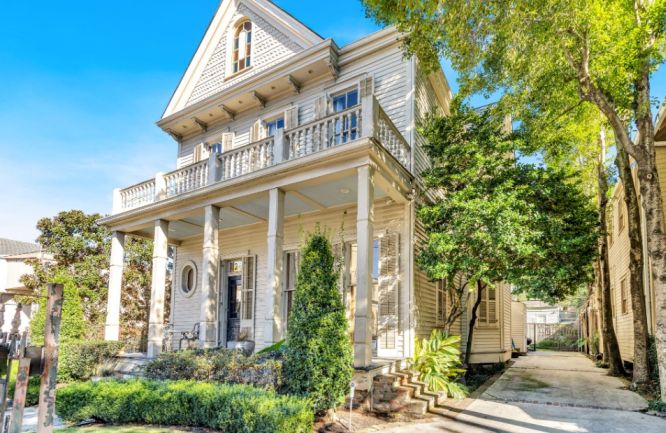
If the French Quarter feels historic and compact, the Garden District feels spacious and refined.
Wide avenues, oak trees draped in Spanish moss, and grand 19th-century mansions create a quieter atmosphere. This neighborhood reveals another layer of the city’s social and architectural evolution.
Mardi Gras: Celebration and Cultural Expression
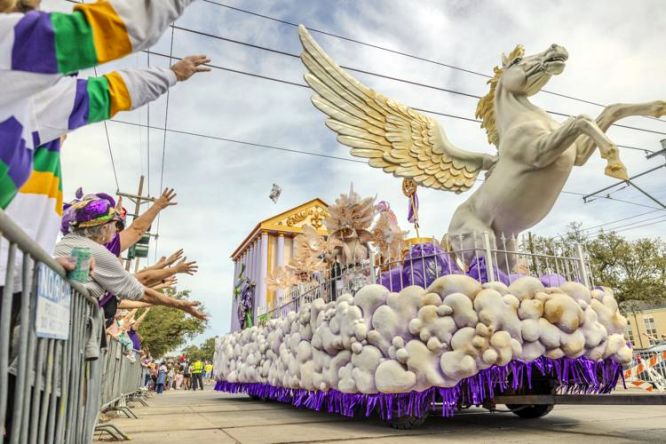
Mardi Gras is perhaps the city’s most internationally known celebration. But beyond beads and parades, Mardi Gras is deeply tied to community traditions, social clubs, and neighborhood identities. It reflects both joy and heritage.
If you visit during this period, you may experience a city that feels amplified — louder, brighter, and more theatrical.
Creole and Cajun Flavors
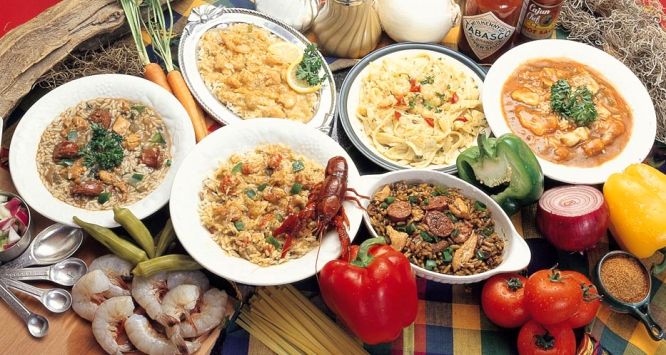
Food in New Orleans is not simply cuisine — it is history served on a plate.
Dishes like gumbo, jambalaya, and beignets reflect centuries of cultural exchange. French techniques blend with West African spices and Caribbean influence. Dining here often feels like participating in a living archive.
Cemeteries Above Ground in New Orleans
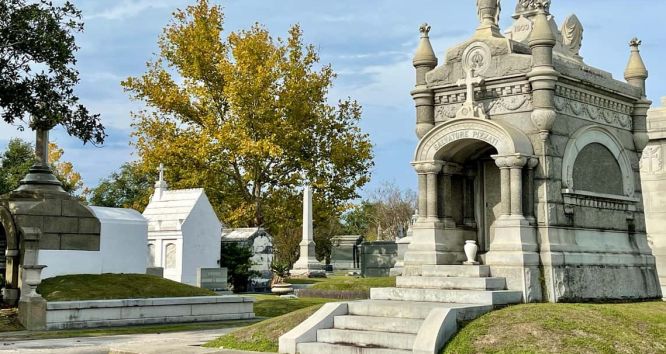
Because of the city’s water table, many cemeteries are built above ground.
These “cities of the dead” form striking architectural landscapes of stone vaults and narrow pathways. They are quiet, reflective spaces that add to the city’s distinctive visual identity.
When Is the Best Time to Visit New Orleans?
New Orleans is lively throughout the year, but the best time to visit is generally spring or fall. Here’s a clear seasonal breakdown:
Quick Overview
| Season | Suitability | Why |
|---|---|---|
| Spring | ⭐⭐⭐⭐ | Ideal weather + festival atmosphere |
| Fall | ⭐⭐⭐⭐ | Comfortable and less crowded |
| Summer | ⭐⭐ | Heat and humidity can be overwhelming |
| Winter | ⭐⭐⭐ | Mild but quieter |
Cultural Snapshot
| Element | What Makes It Distinct |
|---|---|
| Architecture | French & Spanish colonial layers |
| Music | Birthplace of jazz |
| Geography | Below sea level, river-delta city |
| Festivals | Deep-rooted traditions like Mardi Gras |
| Cuisine | Creole & Cajun heritage |
Why New Orleans Feels Different
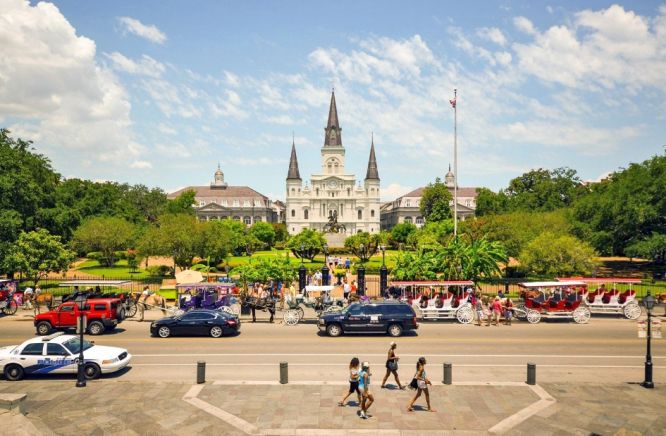
Jackson Square
Many American cities are defined by scale and speed.
Rhythm defines New Orleans.
The city moves to music.
It openly remembers its past.
Its people embrace imperfection and complexity.
If you are interested in cities with character rather than polish, New Orleans offers depth that rewards slow exploration.
Where to Stay and Eat in New Orleans
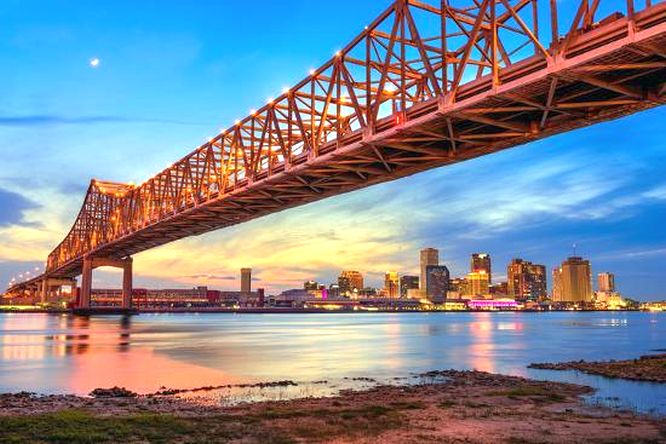
Crescent City Connection Bridge
You can find the perfect accommodation for you by carefully selecting our hotel options in New Orleans based on location, comfort, and traveler reviews.
You might also want to explore recommended restaurants in New Orleans, ranging from modern and traditional cuisines to local spots.