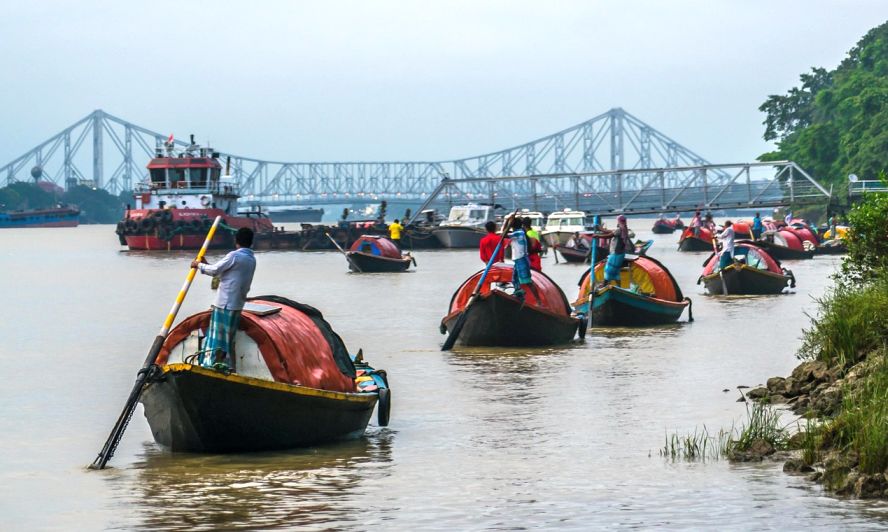
We are in Kolkata, the capital of the West Bengal state of the country and the most important port of India. Of course, we know it as Calcutta by its old name. We can say that Kolkata is the heart of East India. Built on a wide delta formed by the Ganges and Brahmaputra rivers flowing into the Bay of Bengal, Kolkata is not just a crowded commercial city. Here, there is a city that speaks not with magnificent monuments but with poetry, philosophy and food.
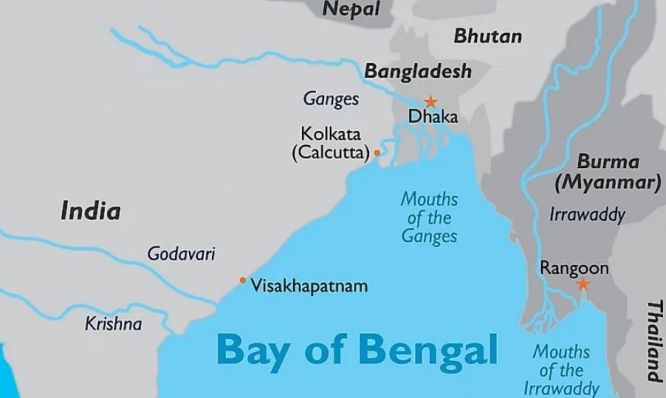
Calcutta or Kolkata is above all a city of contrasts. Colors blend in endless poverty and wealth. A huge life flows in this vast city with its vibrant street life shaped by colonial architecture. A place where a cup of tea becomes a dialogue and a tram ride becomes a time machine. Not only the landscape, but also for those who seek the soul, Kolkata will welcome you with open arms and thousands of stories. Now let’s explore the colorful soul of India by walking around the city.
The Spirit of College Street and the Coffee House
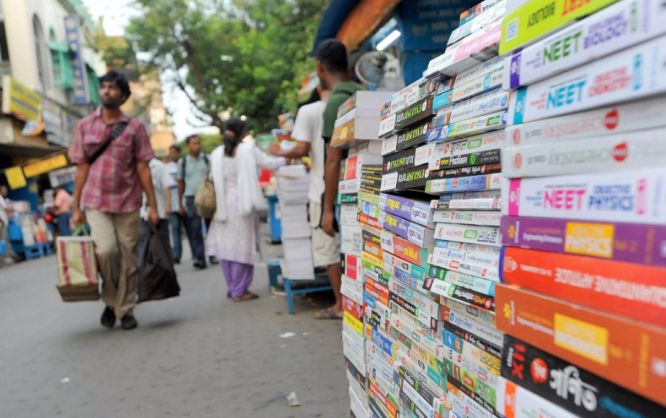
College Street, fondly called Boi Para (Book Town), is more than just a road—it’s a universe of ideas. Wandering here is to feel the living heartbeat of Bengali culture. Home to hundreds of bookshops and historic institutions like Presidency University, this is where revolutions were whispered and poetry was born. Nearby, the iconic Indian Coffee House continues to serve as a hub for intellectual debate and nostalgic moments over endless cups of coffee.
Victoria Memorial: Colonial Grandeur in Marble
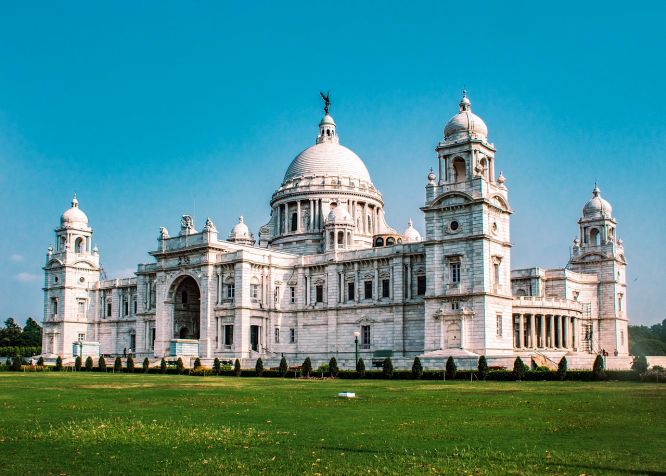
A shimmering white structure set amidst lush gardens, the Victoria Memorial is Kolkata’s most iconic landmark. Built in honor of Queen Victoria, this structure reflects the British colonial period. Today, it is a place preferred by locals for walking and romantic evenings. The museum inside tells the tale of an empire, but outside, life flows gently with picnicking families and horse-drawn carriages.
The Howrah Bridge: More Than Just Steel
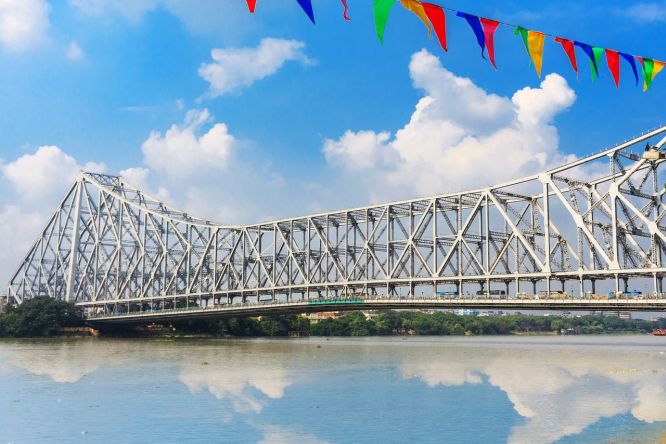
Spanning the Hooghly River, the Howrah Bridge is one of the busiest cantilever bridges in the world—but to locals, it’s part of daily life. Thousands cross it on foot, on rickshaws, or in yellow taxis, often without noticing its silent strength. The view at sunrise, when soft light dances on the water and the bridge emerges from the morning mist, is nothing short of magical.
A Taste of Bengal: From Mishti Doi to Kathi Rolls

Kathi rolls
Kolkata’s cuisine is a mirror of its identity: diverse, layered, and deeply emotional. From the sweetness of Mishti Doi (sweet yogurt) and rasgulla, to the street-side comfort of Kathi rolls, every bite carries tradition. The city’s fish curries, especially shorshe ilish (hilsa in mustard), are family treasures passed through generations.
Dakshineswar & Kalighat: Temples of Devotion and Power
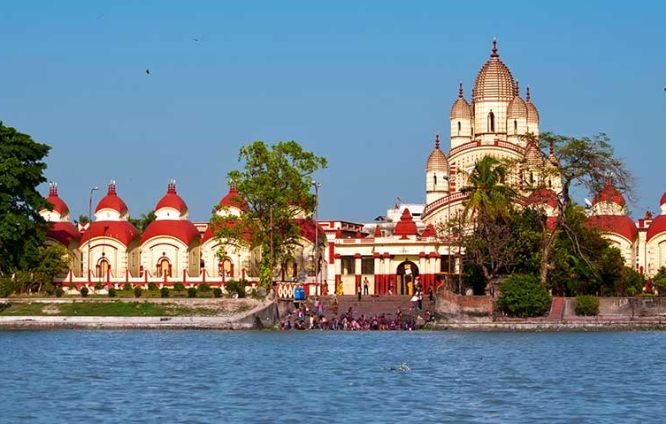
Dakshineswar Temple
Kolkata’s spiritual side reveals itself through two iconic temples: Dakshineswar and Kalighat. Dakshineswar, on the banks of the Hooghly, is associated with the mystic saint Ramakrishna, and its serene atmosphere invites inner reflection.
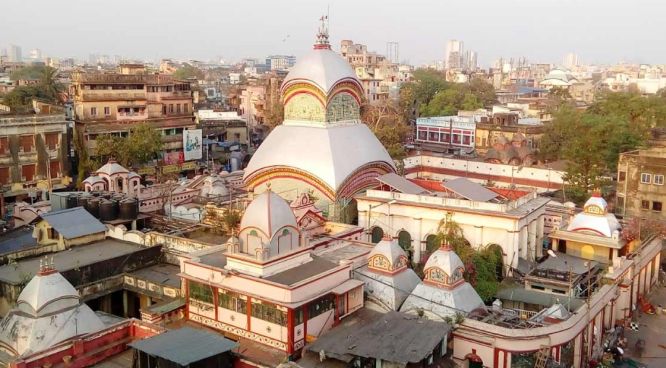
Kalighat Temple
Kalighat, on the other hand, is raw and intense, devoted to Goddess Kali, the fierce mother figure in Bengali Hinduism.
In the Footsteps of Mother Teresa
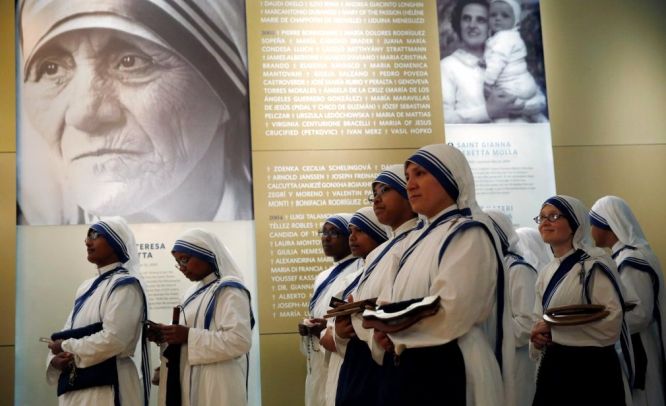
Kolkata was home to Mother Teresa, who founded the Missionaries of Charity here in 1950. Her work with the city’s most vulnerable people continues through the organization’s headquarters, which you can visit. The experience is not touristic, but deeply human—it offers a moment of quiet gratitude and reflection.
A City of Festivals and Poetry
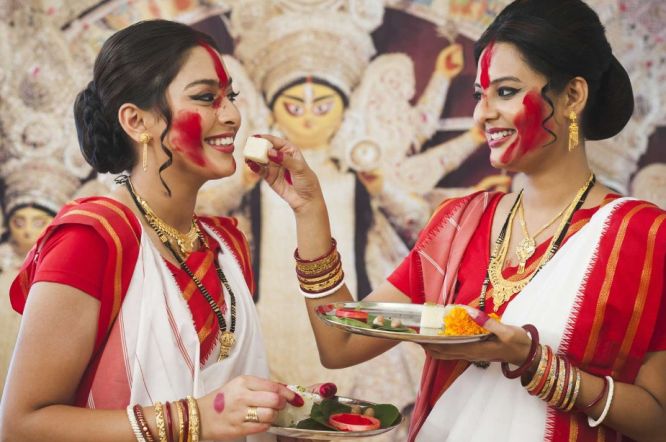
No city celebrates life like Kolkata. This is a city that sings even when it rains. From Durga Puja, the grand autumn festival that transforms the city into an open-air museum of art, to smaller neighborhood baul music nights, there’s always something happening. Literature thrives here too; the Kolkata Book Fair is among the largest in the world.
A Journey Through Time on Trams
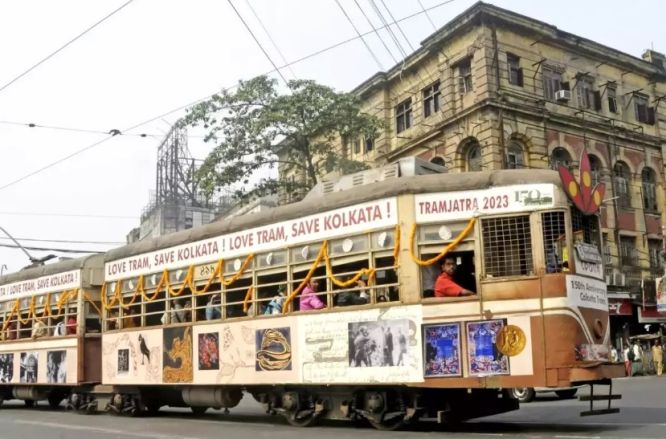
Kolkata is the only city in India that still operates an active tram system, preserving a beautiful trace of the past. These slow and quiet trams offer a nostalgic and eco-friendly way to explore the city. Especially around areas like Esplanade and Shyambazar, they glide past colonial buildings, inviting you to experience the charm of another era.
Marble Palace: A Quiet Treasure of Art and History

The Marble Palace is a 19th-century mansion and one of Kolkata’s best-kept secrets. Accessible only with prior permission, this palace offers a glimpse into Kolkata’s refined artistic heritage and its colonial past. Inside, you’ll find an eclectic collection of European paintings, sculptures, antique mirrors, and classical furniture. The small private zoo and peaceful courtyards add to the property’s charm.
Kumartuli: The Neighborhood Where Gods Are Made
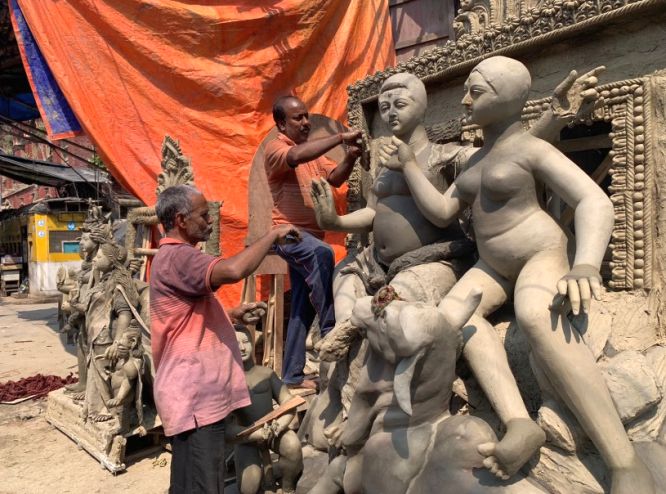
Kumartuli is a fascinating artisan district in northern Kolkata, where clay idols of Hindu gods and goddesses are handcrafted with meticulous detail. Especially during Durga Puja, this neighborhood comes alive as skilled artists sculpt magnificent statues of Goddess Durga and her divine entourage. The narrow lanes, filled with workshops and the scent of wet clay, create an atmosphere of devotion and creativity.
Kolkata: A City That Listens Back
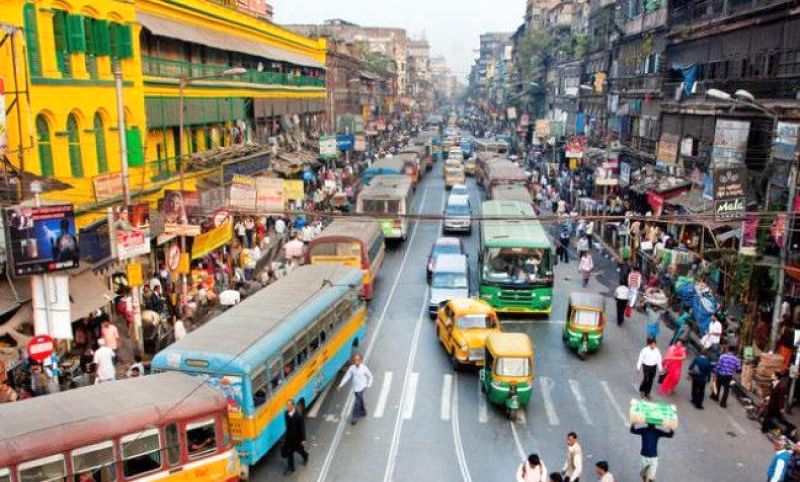
This is the hometown of the world-famous poet Tagore. This mystical city can be poetically described in his language as follows: Kolkata is not a city you visit—it’s one you have conversations with. It doesn’t shout to impress; it listens, and slowly, deeply, it stays with you. If you long for a place where intellect meets emotion, and history walks hand in hand with everyday life, Kolkata will gently invite you in. And chances are, it won’t let you go.
Visit for Kolkata Hotels: Click
For your choice of restaurants in Kolkata: Click