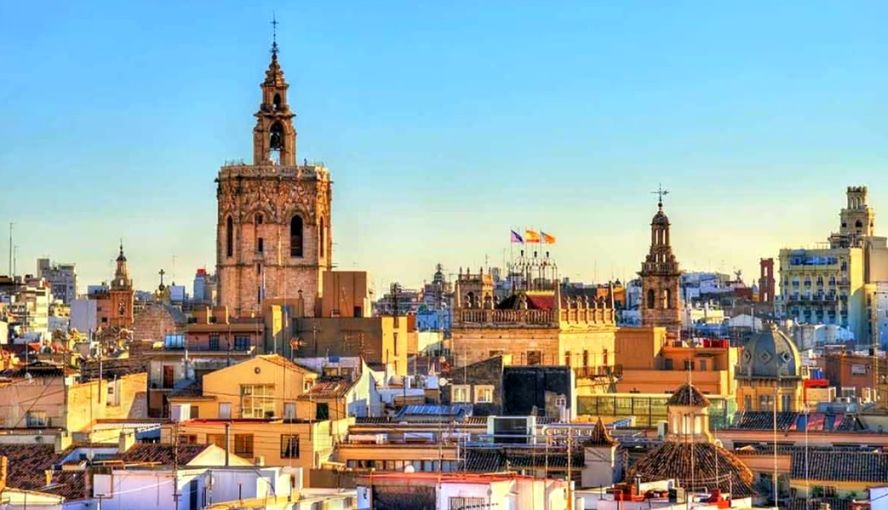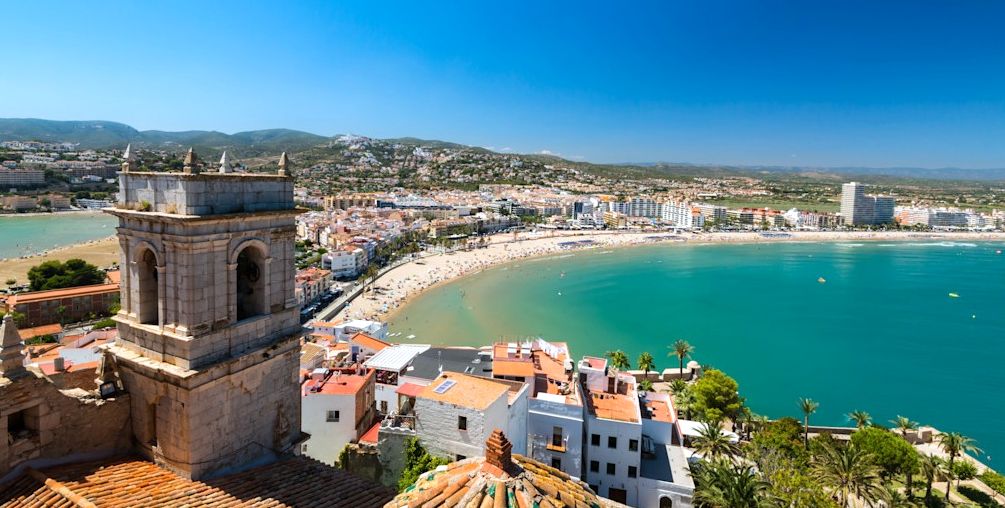
On Spain’s eastern coast, Valencia opens like a city shaped by light. The Mediterranean breeze moves gently through its streets. As a result, the atmosphere feels both relaxed and vibrant. Just like that famous song that describes Valencia…
Valencia Song – Mario Lanza
Drawing inspiration from Roman, Visigothic, Moorish, and Castilian cultures stretching from ancient times to the present day, the city captivates its visitors. However, Valencia doesn’t rush to impress. Instead, it slowly reveals itself with its quiet squares, lively markets, and long sunny afternoons. In this way, the city invites a deeper exploration.
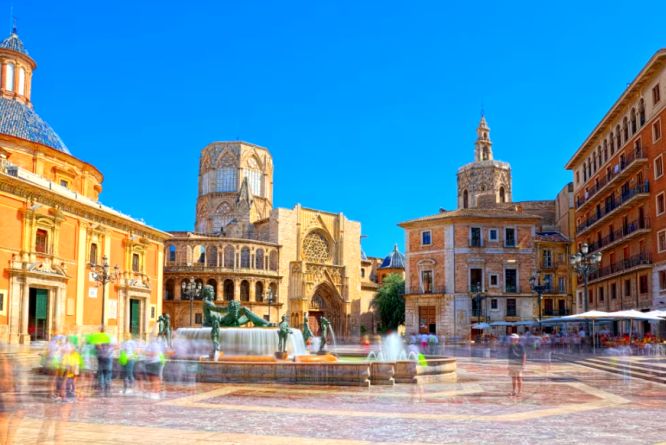
Valencia, Spain’s third-largest city after Madrid and Barcelona, possesses many qualities that make it special. With a rich and multicultural history and being one of the most important port cities in the Western Mediterranean, let’s explore this unique city together.
The Old Town and Living History
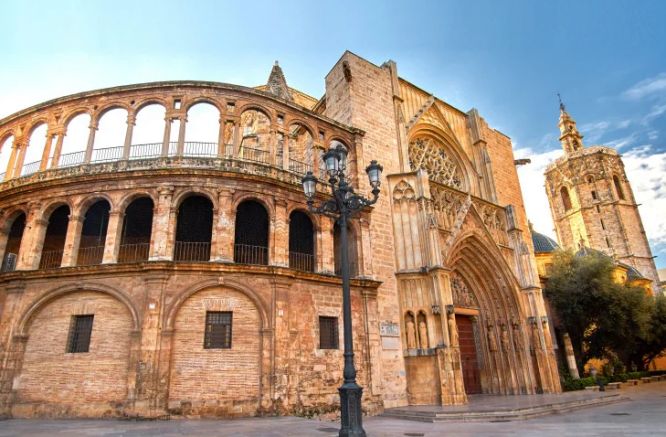
Valencia Cathedral
The historic center of Valencia holds layers of time within its narrow streets. Walking here feels like moving between centuries.
At the heart stands the Valencia Cathedral, where Roman, Gothic, and Baroque elements meet. Nearby, the elegant La Lonja de la Seda reflects the city’s golden trading past.
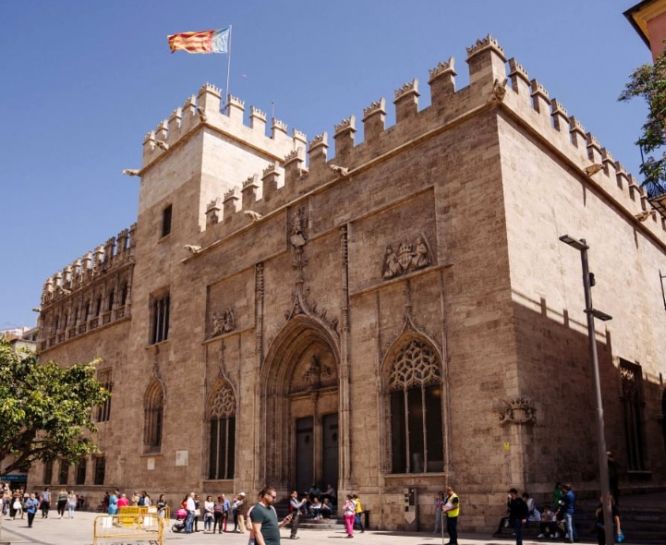
La Lonja de la Seda
These monuments do not stand apart from daily life. Instead, they blend naturally into the rhythm of the modern city.
The City of Arts and Sciences
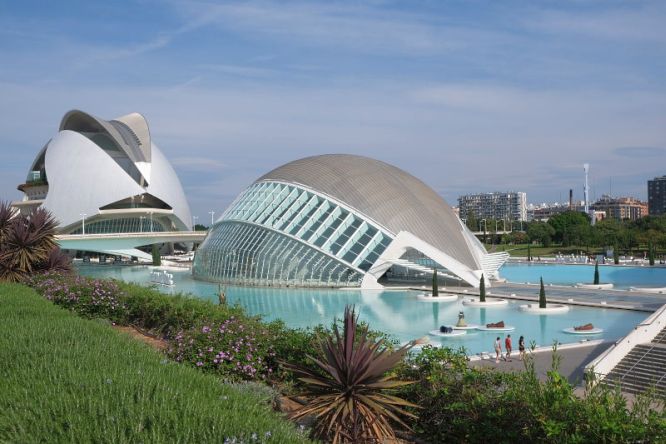
City of Arts and Sciences
Valencia also looks confidently toward the future. The striking City of Arts and Sciences represents this vision with bold architectural forms.
Designed by Santiago Calatrava, the complex appears almost fluid, as if shaped by water and light. Visitors move between science, art, and imagination within a single space.
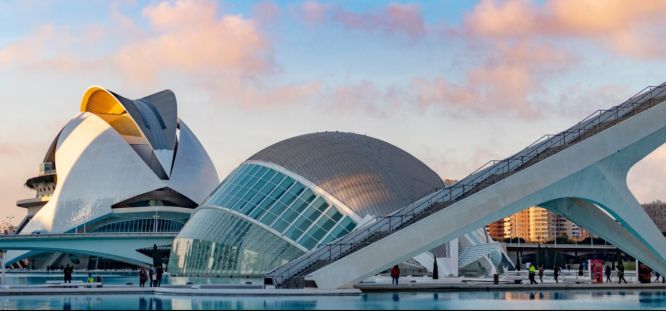
Here, Valencia shows a different identity. It becomes modern, expressive, and forward-looking.
Turia Gardens: A River Transformed
One of Valencia’s most unique features lies where a river once flowed. After a major flood, the city transformed the old riverbed into the Turia Gardens.
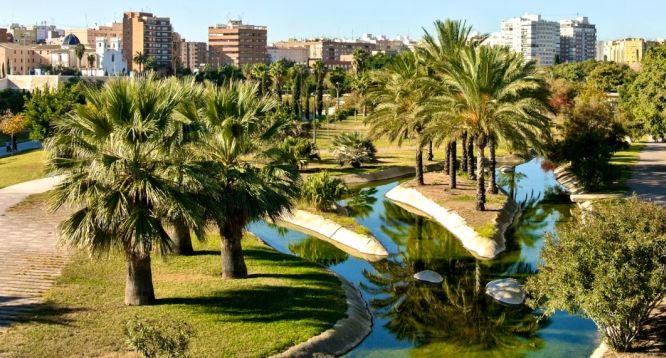
Today, this green corridor stretches across the city. People walk, cycle, and rest under palm trees and shaded paths. The space feels calm, yet full of life. In many ways, the garden reflects Valencia’s ability to adapt while preserving harmony.
Markets and Mediterranean Flavors
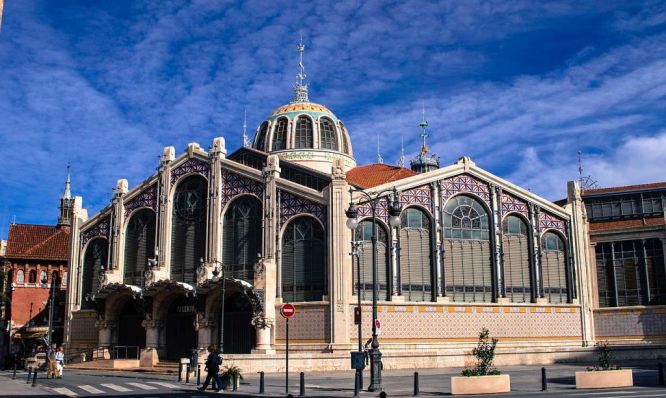
Mercado Central
Valencia speaks through its cuisine as much as through its streets. The lively Mercado Central offers a rich sensory experience. Fresh fruits, spices, seafood, and local products fill the space with color and scent. Meanwhile, conversations between vendors and visitors create a warm atmosphere.
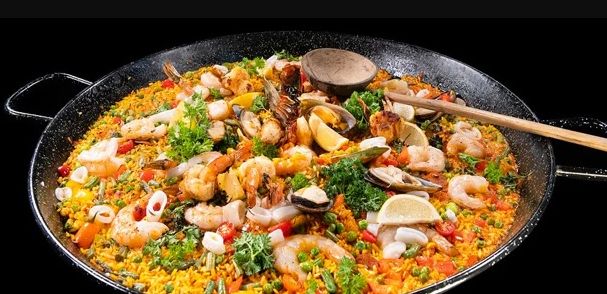
Of course, no visit feels complete without tasting Paella, which originates from this region. Each dish carries a story of land and tradition.
The Mediterranean Coast
Just a short distance from the center, Valencia meets the sea. Its wide beaches offer space, light, and a sense of openness.
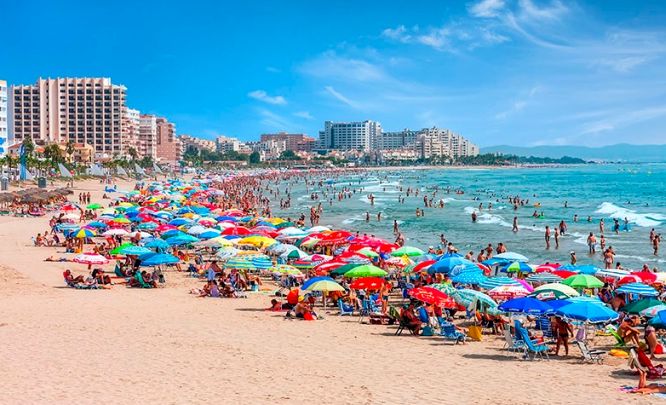
The coastline invites long walks, quiet moments, and slow evenings. As the sun sets, the horizon softens into warm tones. Here, the city breathes differently. It becomes even more relaxed and reflective.
Festivals and Living Culture
Valencia’s cultural life reaches its peak during Las Fallas, a festival of fire, art, and tradition. During this time, the city fills with large artistic sculptures. Eventually, they burn in dramatic displays that symbolize renewal.
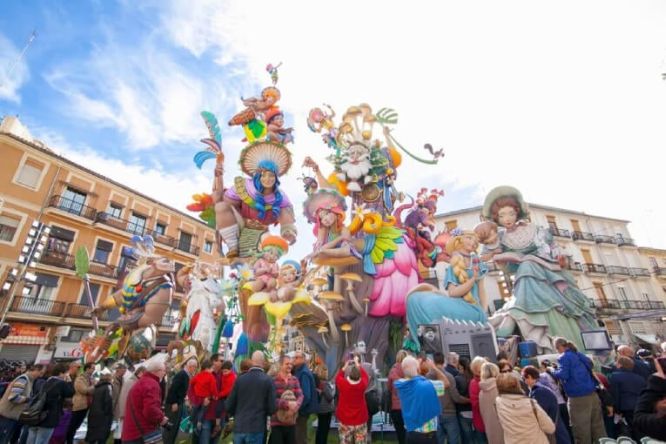
The festival feels intense yet deeply meaningful. It reveals the city’s creative and emotional spirit.
Albufera: Nature and Stillness
Just outside Valencia lies the peaceful Albufera Natural Park, where water and sky seem to merge. The landscape feels calm and almost timeless.
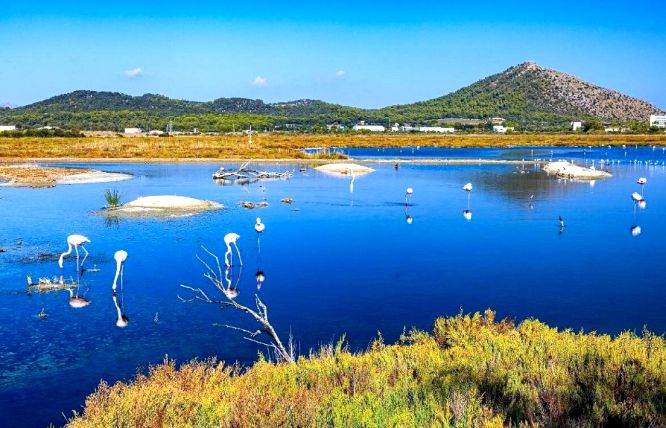
Rice fields stretch across the horizon, connecting directly to the origins of Paella. At sunset, the lagoon reflects soft colors that create a quiet, poetic atmosphere.
Valencia by Night
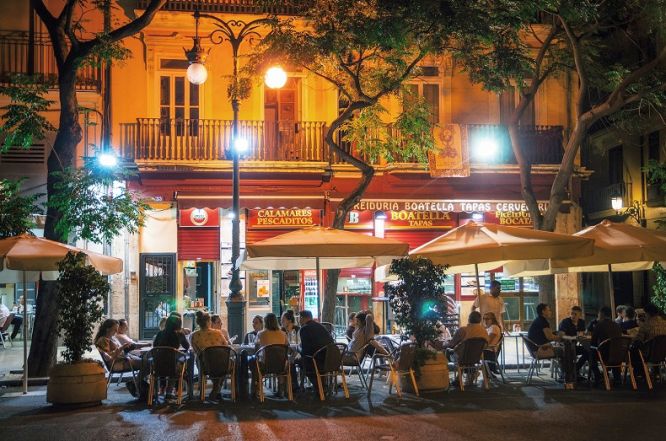
As evening falls, Valencia reveals a softer and more intimate side. Streets glow under warm lights, and the city moves at a slower pace. People gather in small squares and along the river gardens. The atmosphere feels relaxed, yet quietly alive.
A City That Grows on You
Valencia does not demand attention at first glance. Instead, it gradually becomes more meaningful with time and observation.
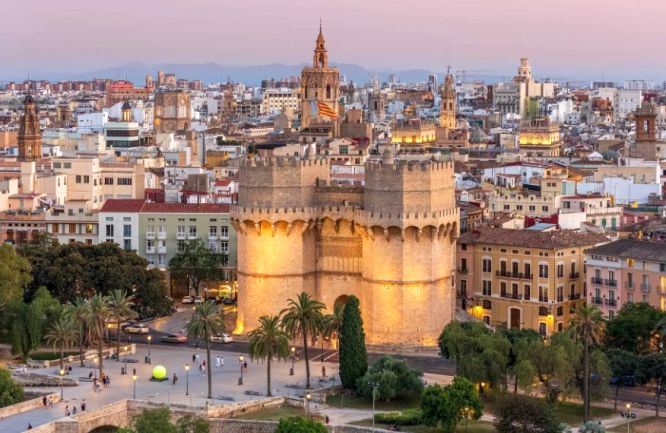
Each walk reveals new details, from hidden corners to subtle architectural contrasts. In the end, the city leaves a calm and lasting impression.
A City of Balance
Valencia stands between past and future, between land and sea. It does not choose one identity over another.
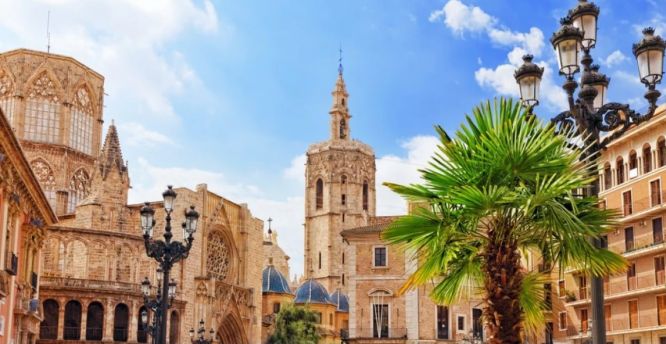
Instead, it allows all elements to coexist. Historic streets, modern structures, green spaces, and coastal views form a balanced whole. This quiet harmony defines the city’s character more than any single landmark.
When to Visit Valencia
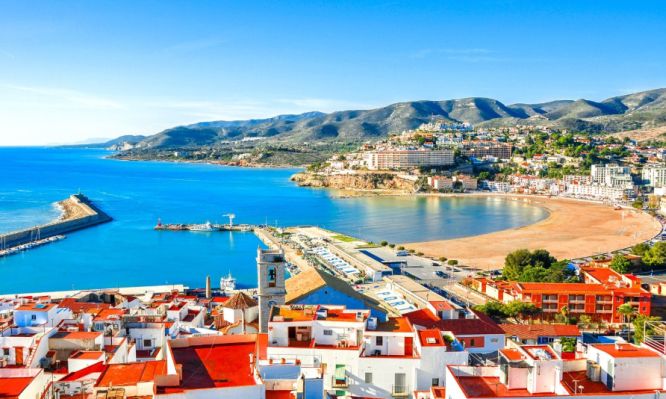
The best time to visit Valencia is during spring and early autumn. The weather remains mild, and the light feels especially soft. However, each season offers a slightly different atmosphere. Summer brings energy, while winter offers calm and space.
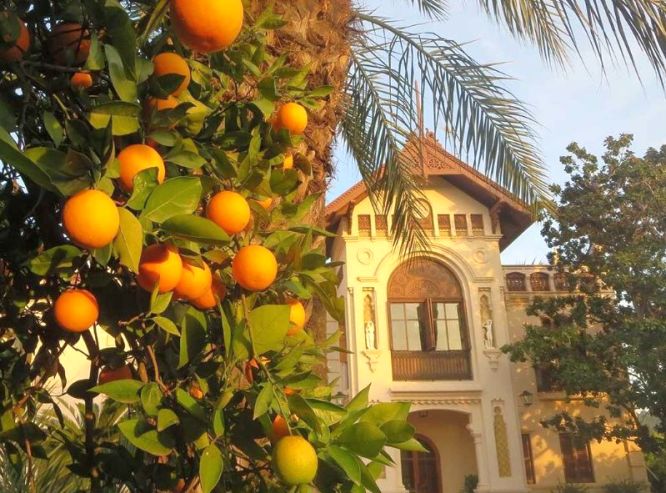
Valencia Oranges
Quick Cultural Snapshot
| Element | What Defines Valencia |
|---|---|
| Identity | Mediterranean cultural city |
| Key Landmark | City of Arts and Sciences |
| Nature | Turia Gardens |
| Cuisine | Paella |
| Atmosphere | Balanced and luminous |
Valencia does not try to overwhelm the visitor. Instead, it builds its charm gradually, through light, space, and quiet details.
Those who move slowly will notice more. Those who observe closely will feel more.
In the end, Valencia offers not just a journey, but a gentle and lasting impression.
Visit for Valencia’s Hotels: Click
and Restaurants: Click