
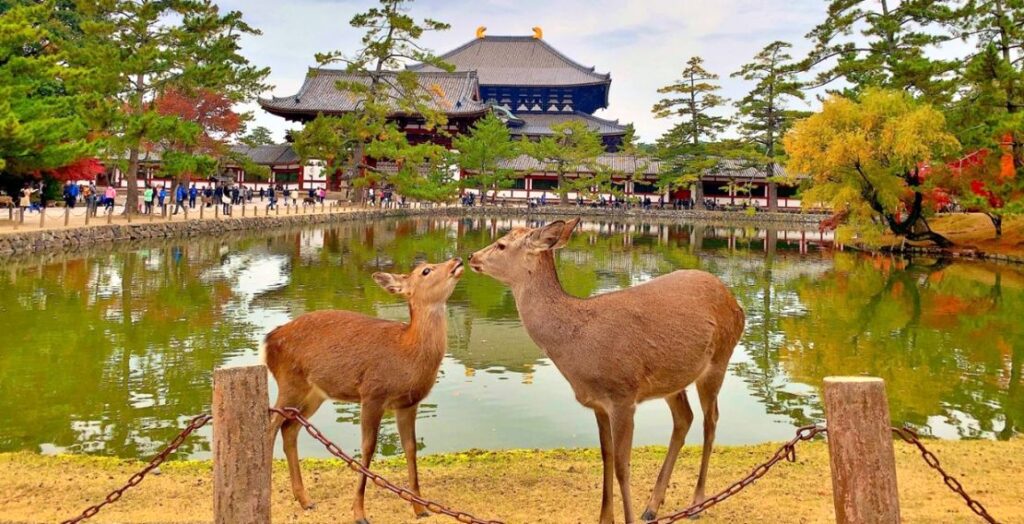
Few cities preserve the soul of old Japan as gracefully as Nara. Once the first permanent capital of Japan, the city still carries an atmosphere of reverence, silence, and timeless beauty. Therefore, every street, temple path, and garden seems to whisper a fragment of history.
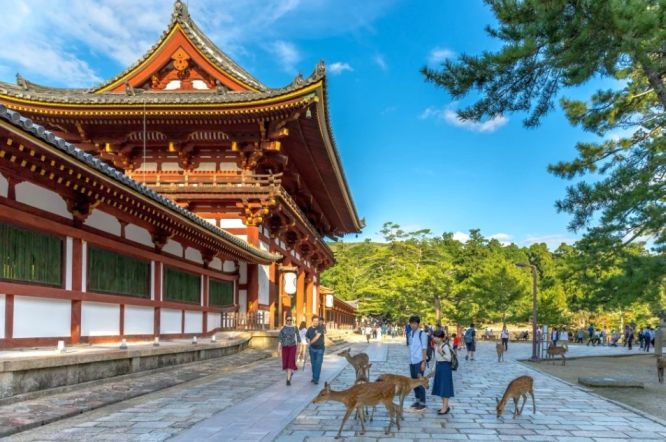
Unlike faster modern cities, Nara invites visitors to slow down. Here, sacred architecture, ancient forests, and freely roaming deer create a harmony that feels almost poetic. As a result, the city offers not only sightseeing but also quiet contemplation.
Todai-ji and the Great Buddha
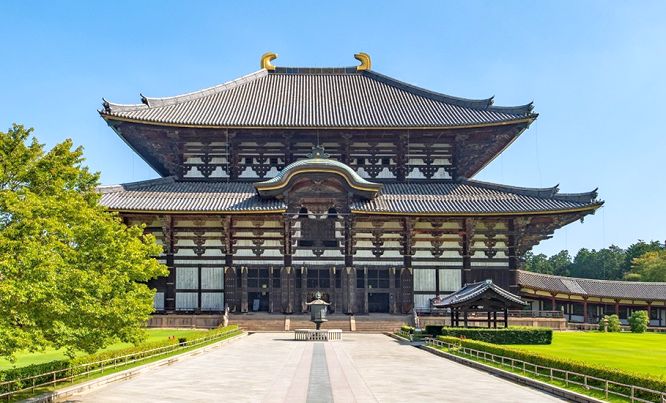
At the spiritual heart of the city stands Tōdai-ji, one of Japan’s most important Buddhist temples. Its immense wooden hall houses the majestic Great Buddha, a symbol of wisdom and serenity.
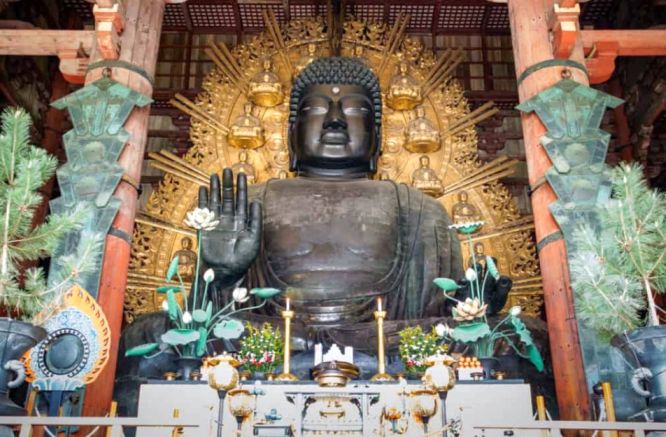
Moreover, the scale of the structure inspires awe without overwhelming the visitor. The temple’s presence feels solemn, yet deeply welcoming.
Nara Park and the Sacred Deer
No journey through Nara feels complete without walking through Nara Park. The park is famous for its gentle deer, which wander freely among visitors, trees, and temple grounds.
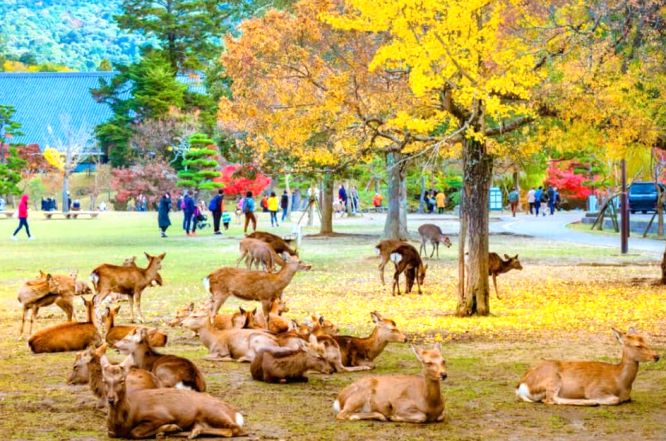
According to local tradition, these deer once served as divine messengers. Consequently, their presence adds a spiritual softness to the landscape. Few urban spaces in the world offer such an intimate relationship between nature and belief.
Kasuga Taisha and Lantern Paths
Hidden within a forested setting, Kasuga Taisha reveals another layer of Nara’s sacred identity. The shrine is especially admired for its thousands of bronze and stone lanterns.
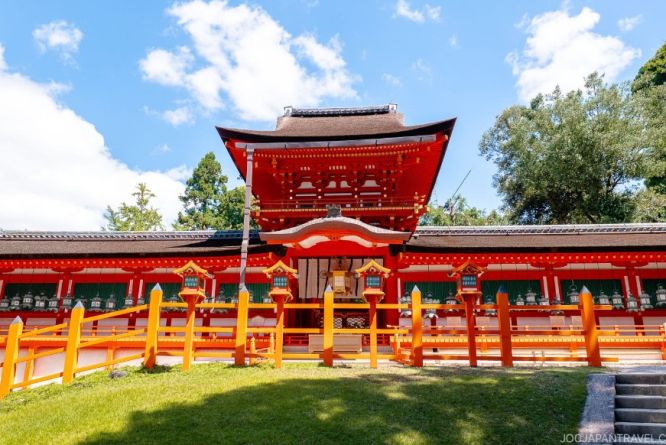
As visitors walk along the shaded paths, the atmosphere becomes almost meditative. In spring and autumn, the surrounding colors enhance the shrine’s quiet elegance even further.
Ancient Capital of Japan
Nara once served as Japan’s imperial capital during the 8th century. Because of this historical role, the city became a center of religion, literature, and statecraft.
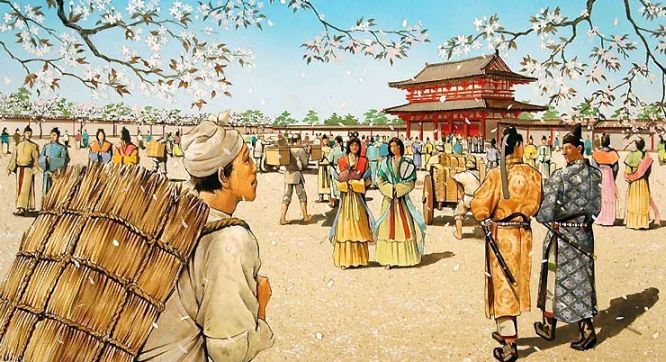
Even today, its urban fabric preserves this early cultural importance. Temples, pagodas, and gardens continue to shape the city’s identity with remarkable grace.
Traditional Gardens and Seasonal Beauty
Beyond its temples, Nara charms visitors with refined natural spaces. Traditional gardens such as Isuien Garden reflect the Japanese philosophy of harmony and balance.
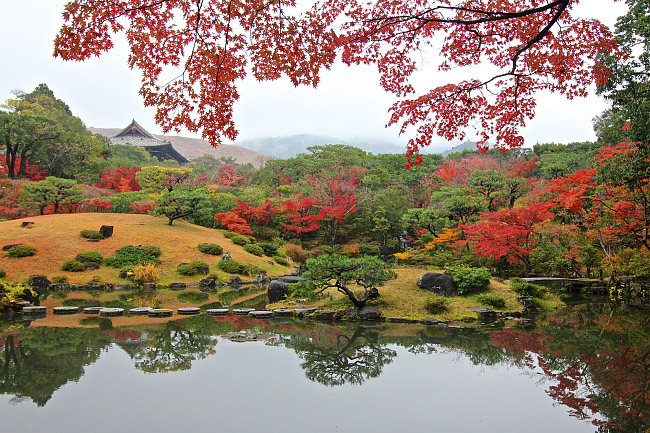
In addition, cherry blossoms in spring and crimson leaves in autumn transform the city into a living painting. Therefore, each season offers a slightly different emotional atmosphere.
Local Crafts and Cultural Heritage
Nara’s artistic heritage extends beyond architecture. Local crafts, calligraphy, ceramics, and traditional sweets continue to reflect centuries of refined taste.
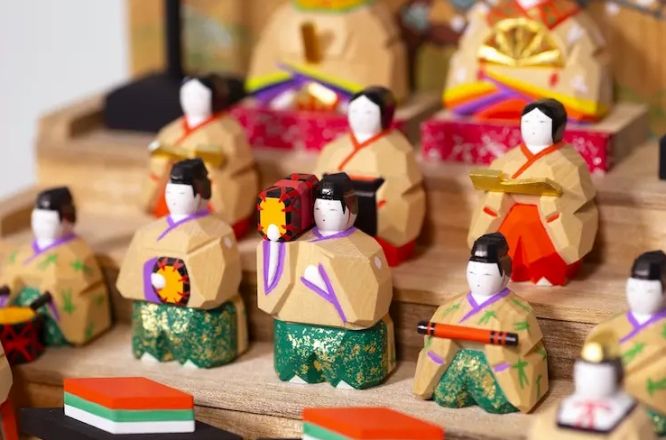
Meanwhile, small streets near the old districts reveal teahouses, artisan shops, and quiet cultural spaces. As a result, everyday life itself feels like an extension of history.
A City of Reflection
What makes Nara unique is not only what visitors see, but also what they feel. The city encourages silence, reflection, and a slower rhythm of travel.
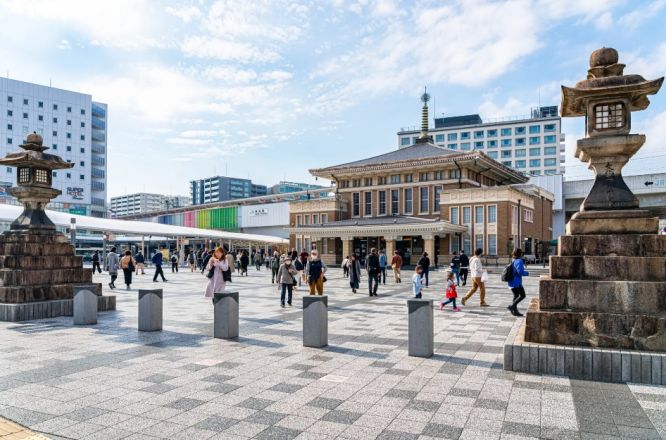
Unlike destinations built around speed, Nara rewards patience and attentiveness. Consequently, its beauty often lingers in memory long after the journey ends.
Other Activities You Can Do In Nara
Kōfuku-ji Temple
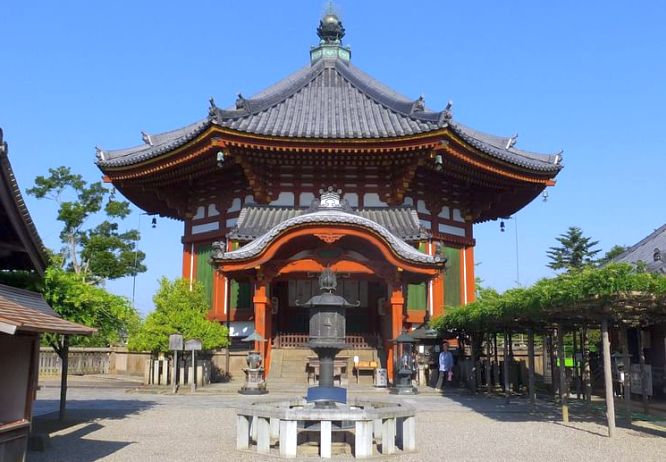
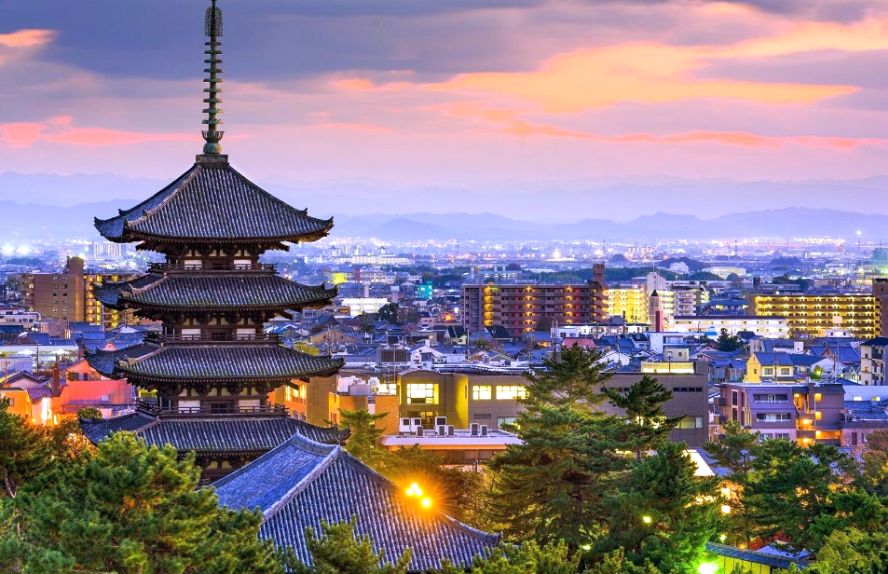
Kōfuku-ji brings together history, symmetry, and one of Nara’s most iconic pagodas. In addition, the temple grounds create beautiful open views that blend architecture with sky and greenery. It offers one of the city’s most graceful historical pauses.
Streets of Naramachi
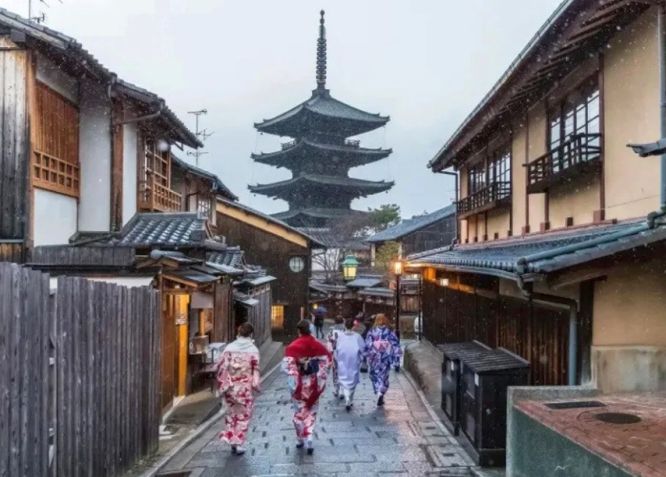
Naramachi preserves the quiet charm of merchant-era Japan through wooden townhouses and narrow lanes. Additionally, artisan shops, small cafés, and traditional facades make the district ideal for slow wandering. The neighborhood offers a more intimate and human side of Nara’s heritage.
Hōryū-ji Temple
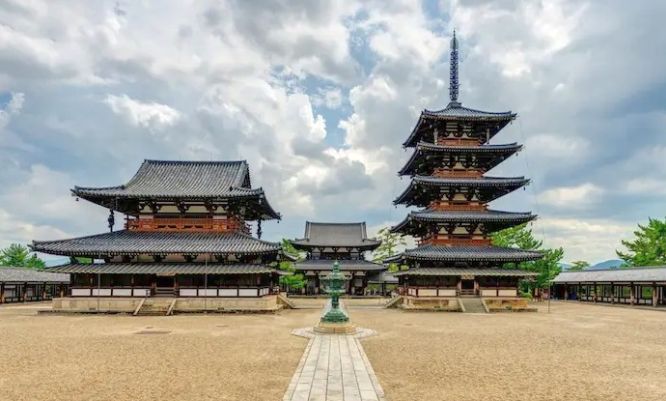
Hōryū-ji offers one of the oldest surviving wooden temple complexes in the world. Indeed, its architecture carries extraordinary cultural and artistic significance. The peaceful grounds make the historical weight feel beautifully accessible.
Yoshikien Garden
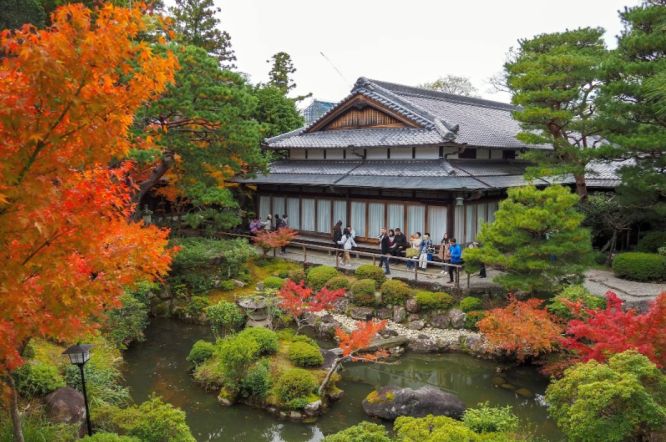
Yoshikien Garden feels quieter and more hidden than many famous sites. At the same time, moss gardens, tea spaces, and reflective ponds create a deeply meditative setting. It is a wonderful place for travelers seeking silence and visual harmony.
Taste Kakinoha-zushi and Mochi
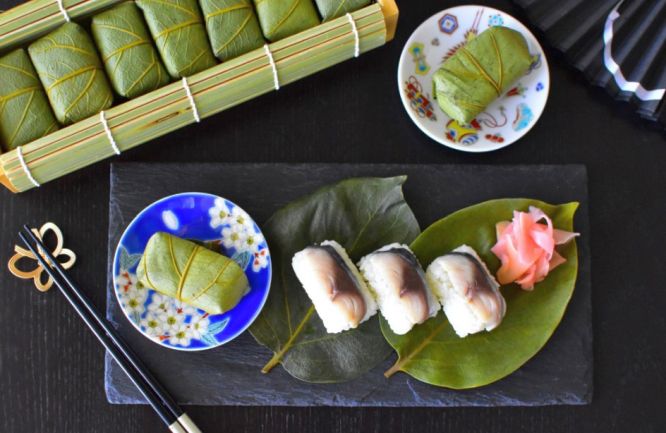
Nara’s culinary culture adds warmth and local identity to the journey. Meanwhile, kakinoha-zushi and freshly pounded mochi offer flavors tied closely to regional tradition. Food here becomes another form of cultural storytelling.
Mount Wakakusa
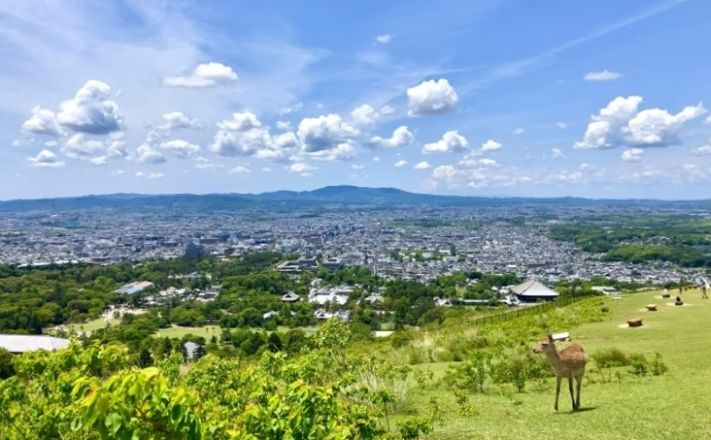
Mount Wakakusa offers one of Nara’s most lyrical panoramic views. Finally, as golden light settles over temples, forest, and rooftops, the city feels timeless and almost sacred. It creates a memorable closing moment for the journey.
When to Visit Nara
The best time to visit Nara is usually during spring and autumn. Cherry blossom season brings delicate colors, while autumn covers temple grounds in deep red and gold.
However, the city’s spiritual atmosphere remains captivating throughout the year.
Nara as Location
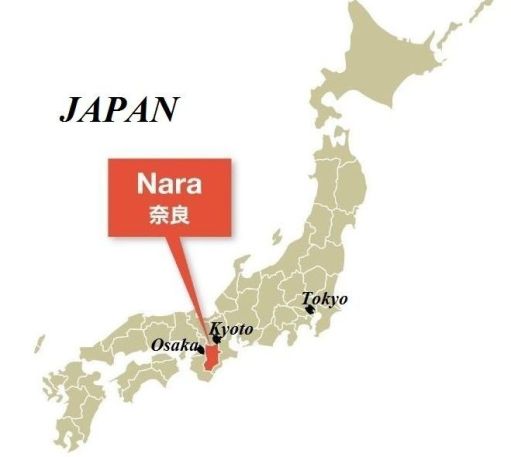
Nara is located in the center of Honshu, Japan’s largest island. It is quite close to two major cities, Kyoto and Osaka (approximately 35-40 km from each). It lies south of Kyoto and east of Osaka. Transportation is quite easy and convenient.
Quick Cultural Snapshot
| Element | What Defines Nara |
|---|---|
| Identity | Japan’s ancient capital |
| Symbol | Sacred deer |
| Spiritual Core | Tōdai-ji and Kasuga Taisha |
| Atmosphere | Peaceful and contemplative |
| Best Season | Spring and autumn |
Nara feels less like a destination and more like a state of mind. Through temples, forests, lanterns, and sacred deer, it preserves the quiet dignity of Japan’s earliest cultural memory.
Therefore, for travelers seeking depth, spirituality, and beauty, Nara offers one of the most refined city experiences in East Asia.
Pingback: A Delicious Start to Japanese Cuisine: Osaka · Traveloox World Cities Travel Guide