
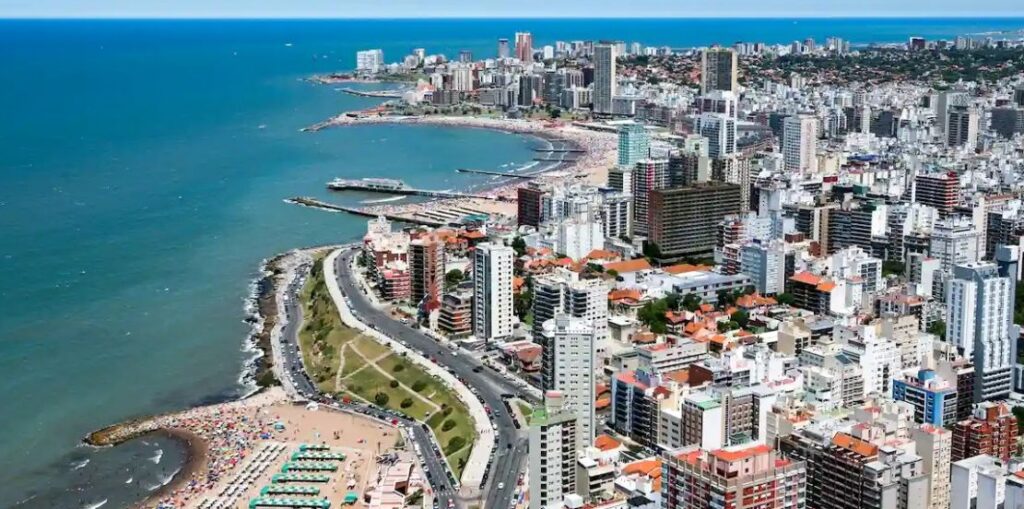
We are in one of the most famous cities in South America. Buenos Aires, the capital of Argentina, is a city where a different passion is experienced on every street. Moreover, the city where football icon Diego Maradona has a sacred place in their hearts is also the capital of another passion: Tango. Now let’s take a short tour of the venues of this special city.
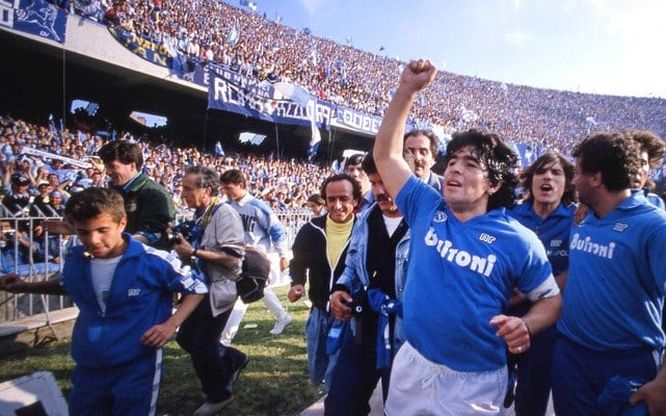
Diego Armando Maradona (1960-2020) in Napoli
La Boca Neighborhood
Immerse yourself in the colorful world of La Boca, one of Buenos Aires’ most iconic neighborhoods and the birthplace of tango. Wander through vibrant streets lined with brightly painted houses, art galleries, and street performers. Here, the bohemian atmosphere of this historic barrio feels lively and deeply authentic.
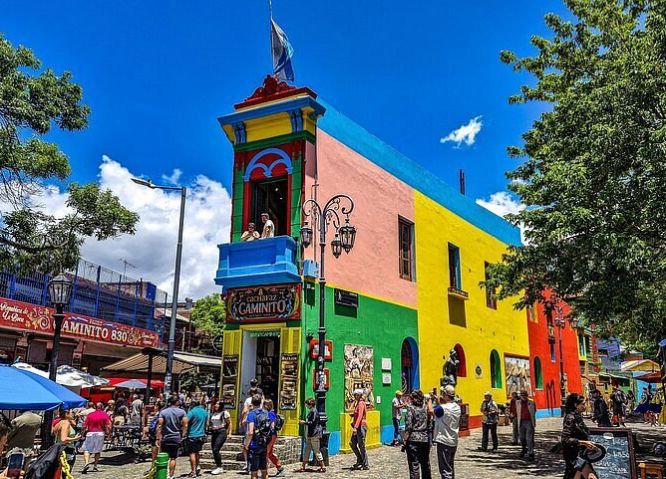
Caminito street
Then, do not miss Caminito, the famous pedestrian street in the heart of La Boca. It is known for outdoor tango performances, artisan shops, and colorful murals. Moreover, its murals beautifully depict scenes from everyday Argentine life.

Recoleta Cemetery
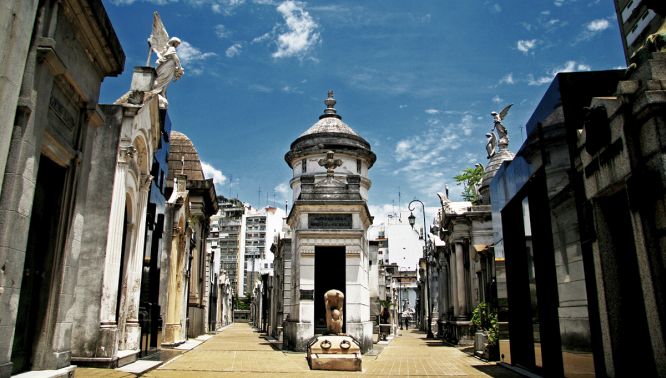
Step into the past at Recoleta Cemetery, a historic cemetery and architectural gem in the upscale Recoleta neighborhood. Indeed, it can be a truly fascinating experience. Moreover, you may explore its maze-like pathways, ornate mausoleums, and marble statues.

Eva Perón (1919-1952)
Additionally, you can discover the final resting places of Argentina’s most illustrious figures, including Eva Perón (Evita). Furthermore, you may marvel at the elaborate tomb designs and intricate craftsmanship as you wander through this city of the dead.
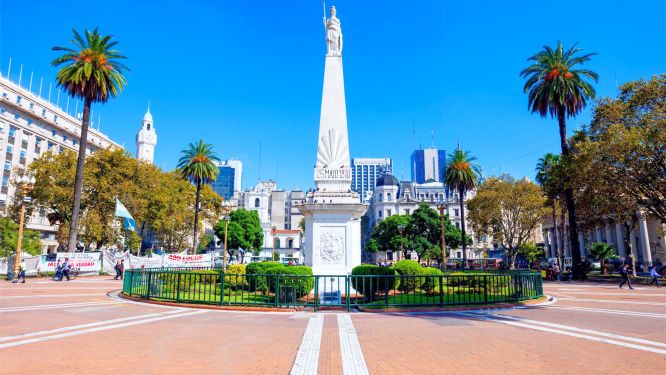
Plaza de Mayo
Experience the political and cultural heart of Buenos Aires at Plaza de Mayo, the city’s main square. Indeed, it symbolizes Argentina’s struggle for independence. Furthermore, Plaza de Mayo holds a special meaning for the families of young people who disappeared during the military junta period.
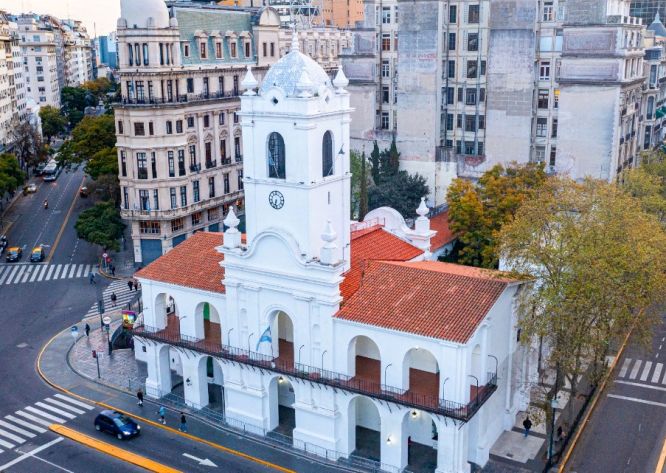
Cabildo (Old government house after colonial era)
Moreover, admire the iconic landmarks surrounding the square, including Casa Rosada (Pink House), the Metropolitan Cathedral, and the Cabildo. Additionally, it is beneficial to learn about Argentina’s turbulent history and political activism while exploring this historic square. The plaza has hosted countless demonstrations, protests, and celebrations over the years.
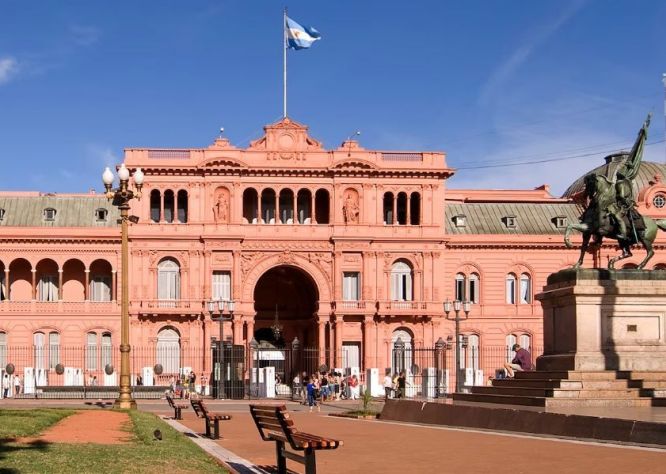
Casa Rosada
Casa Rosada rises beside the square with its iconic pink façade. The palace reflects the city’s political history and architectural elegance beautifully. Nearby streets feature grand avenues, cafés, and impressive historic landmarks. This area especially appeals to photographers and history-minded travelers.
San Telmo Market
Discover the soul of Buenos Aires at San Telmo Market, a vibrant cultural hub in the historic San Telmo neighborhood. Here, lively stalls display antiques, artisan crafts, and vintage clothing.
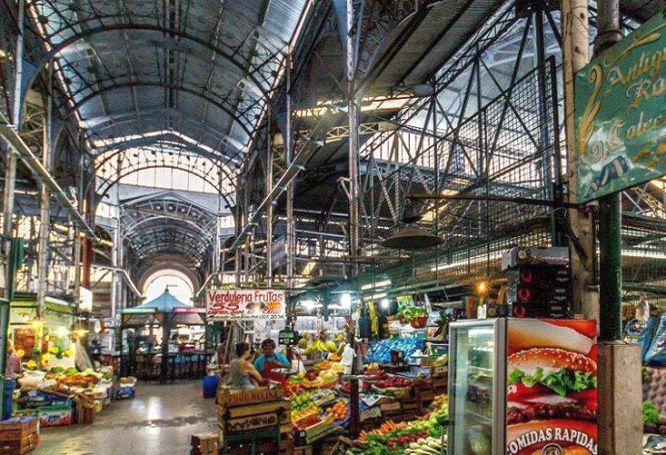
Meanwhile, live music fills the air, while traditional Argentine aromas drift through the market streets. Sample empanadas, choripán, and dulce de leche as you wander slowly. As a result, you experience the most authentic flavors and atmosphere of Buenos Aires.
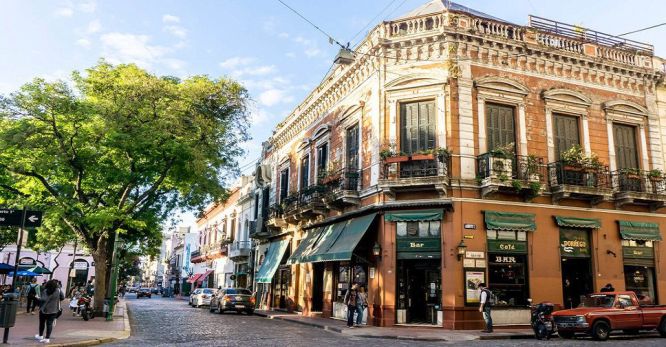
Teatro Colón
Experience the magic of the performing arts at Teatro Colón, one of the world’s greatest opera houses. Indeed, it can be considered a true cultural landmark in Buenos Aires. Moreover, you may marvel at its opulent interiors, stunning acoustics, and world-class performances during a ballet, opera, or concert.
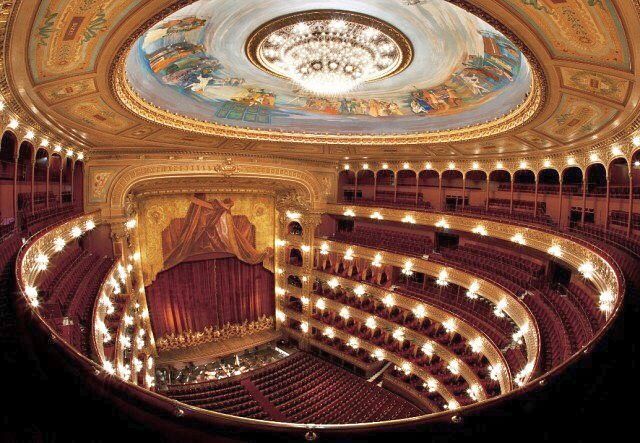
Additionally, you can take a guided tour of the theater to learn about its rich history and architectural significance. Furthermore, you may gain insight into Argentina’s deep passion for the arts while exploring this magnificent cultural venue.
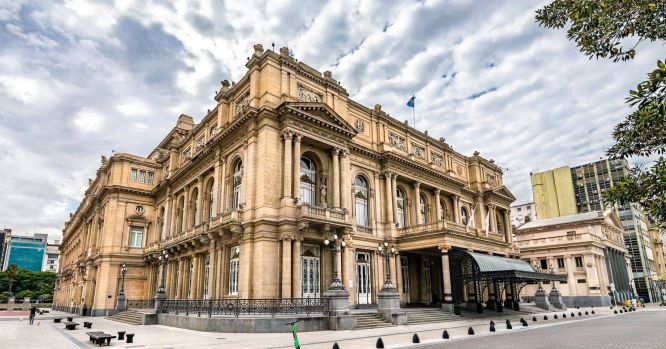
Spend Time in Palermo
Palermo combines leafy parks, stylish boutiques, and contemporary café culture. Street art and design shops define Palermo Soho’s creative atmosphere. The district feels fashionable while remaining relaxed and highly walkable. Many travelers choose it for dining, nightlife, and longer stays.
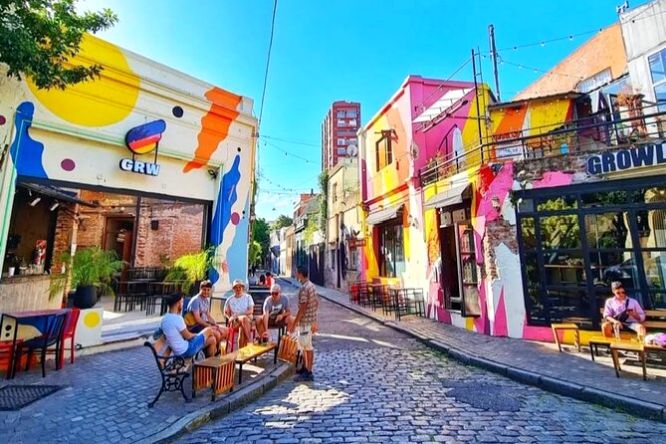
El Ateneo
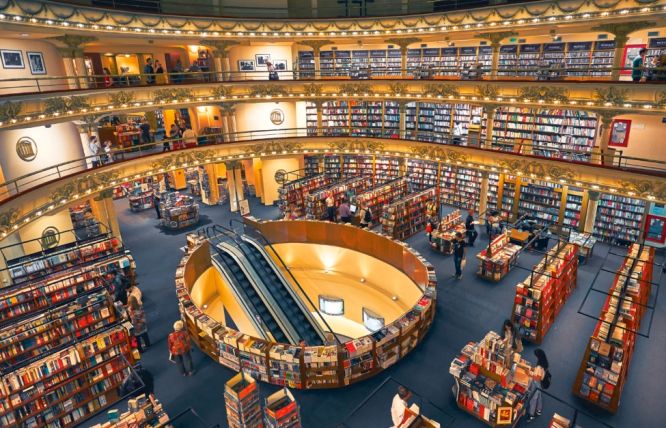
El Ateneo transforms reading into a dramatic architectural experience. The former theater preserves balconies, stage curtains, and painted ceilings beautifully. The atmosphere encourages visitors to linger much longer than expected. As a result, it remains one of the city’s most unforgettable interior spaces.
Puerto Madero
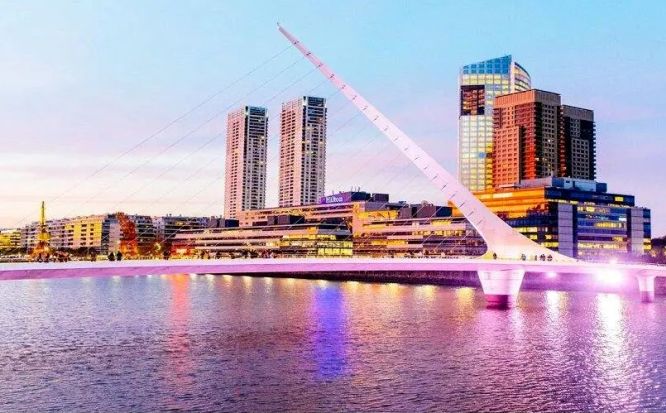
Puerto Madero reveals the city’s sleek and contemporary identity. Waterfront promenades and glass towers create elegant urban scenery. Sunset reflections make evening walks especially memorable and peaceful. The district is ideal for upscale dining and skyline photography.
Parque Tres de Febrero
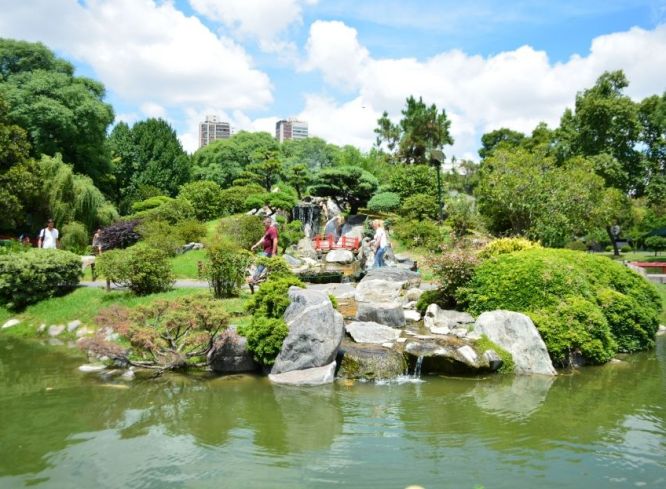
Parque Tres de Febrero offers a peaceful escape from the city’s energetic rhythm. Tree-lined paths, lakes, and rose gardens create a calm, elegant setting. Meanwhile, the famous Rosedal adds color, fragrance, and classic Buenos Aires charm. It is perfect for slow walks, picnics, and memorable sunset photography.
Tango Culture
Tango expresses the emotional soul of Buenos Aires with remarkable intensity. Local milongas offer deeper authenticity than formal stage performances. Music, movement, and atmosphere create an unforgettable sense of place. As a result, this cultural experience often becomes the highlight of the trip.

Buenos Aires, where life stops at Boca Juniors and River Plate football derbies, is a city of passion and diversity, where every street corner tells a story and every neighborhood has its own charm. Whether dancing the tango at La Boca, exploring the historical landmarks of Recoleta, or enjoying traditional cuisine at the San Telmo Market; Buenos Aires promises an unforgettable journey in the heart of Argentina.
Hotels for Buenos Aires: Click
Restaurants for Buenos Aires: Click
Pingback: South America's Capital of Contradictions: Caracas · Traveloox World Cities Travel Guide
Pingback: The City where River and Ocean Meet: Montevideo · Traveloox World Cities Travel Guide