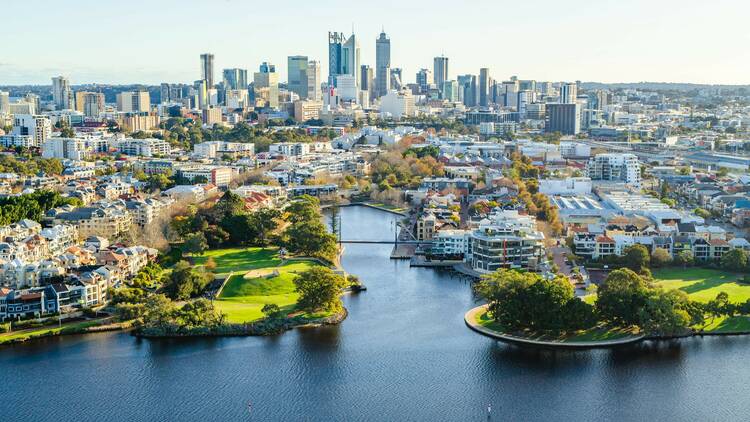
On Australia’s western coast, Perth combines urban life with vast natural beauty. In particular, the city enjoys abundant sunshine throughout the year. Outdoor living shapes much of its character. This is partly due to the city’s geographical location. Being isolated from much of the continent and surrounded by the vast western Australian deserts explains Perth’s unusual position.
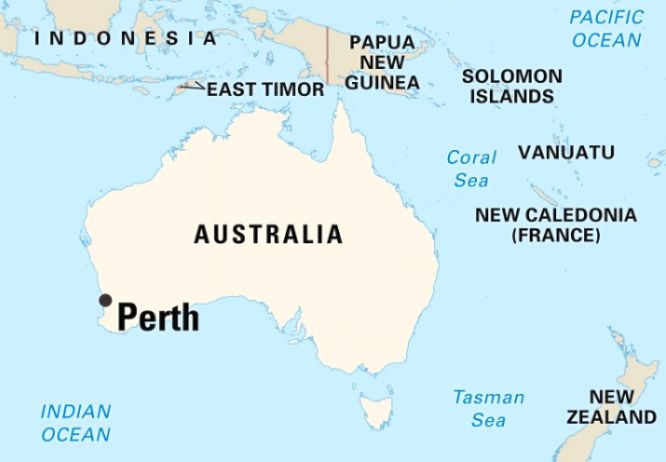
Perth is the fourth largest city in Australia after Sydney, Melbourne and Brisbane. Morever, Perth feels more relaxed than many larger Australian cities. At the same time, it offers culture, beaches, and modern attractions. Visitors often find a refreshing balance here.
Kings Park and Botanical Gardens
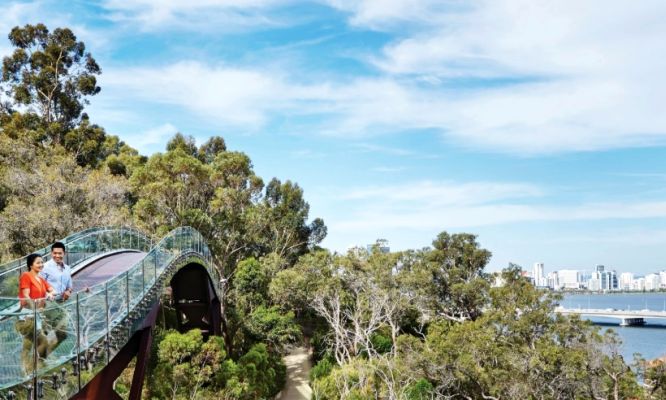
Above the city stands Kings Park, one of the world’s largest urban parks. The park overlooks both the skyline and the river. Walking trails pass through native Australian vegetation. Visitors can enjoy panoramic views from several lookouts. Consequently, the park remains one of Perth’s most beloved attractions.
The Swan River
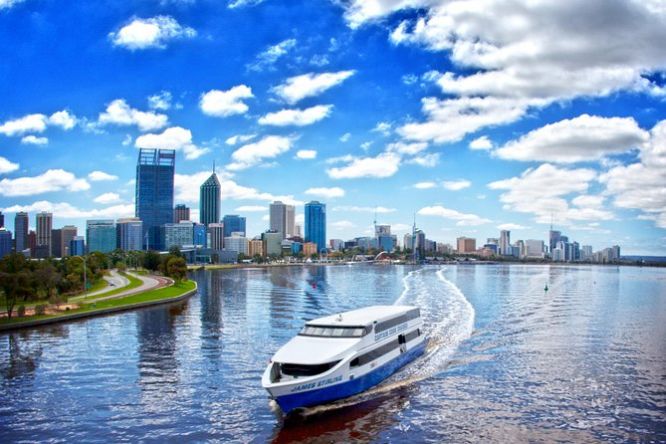
The graceful Swan River flows through the heart of Perth. It brings life and beauty to the surrounding neighborhoods. Riverside paths attract walkers, cyclists, and families. Boat cruises also provide a different perspective of the city. The river plays a central role in daily life.
Elizabeth Quay
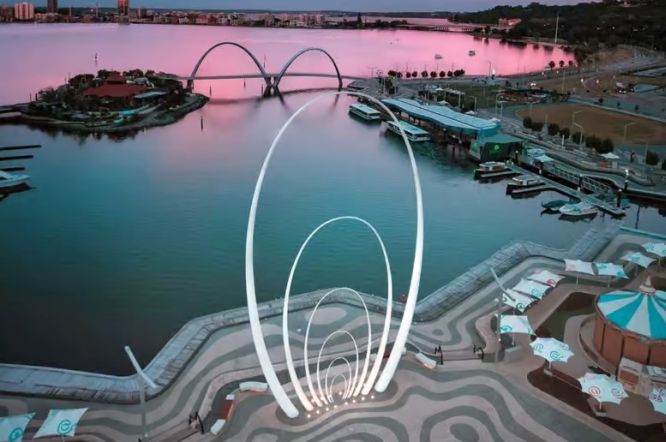
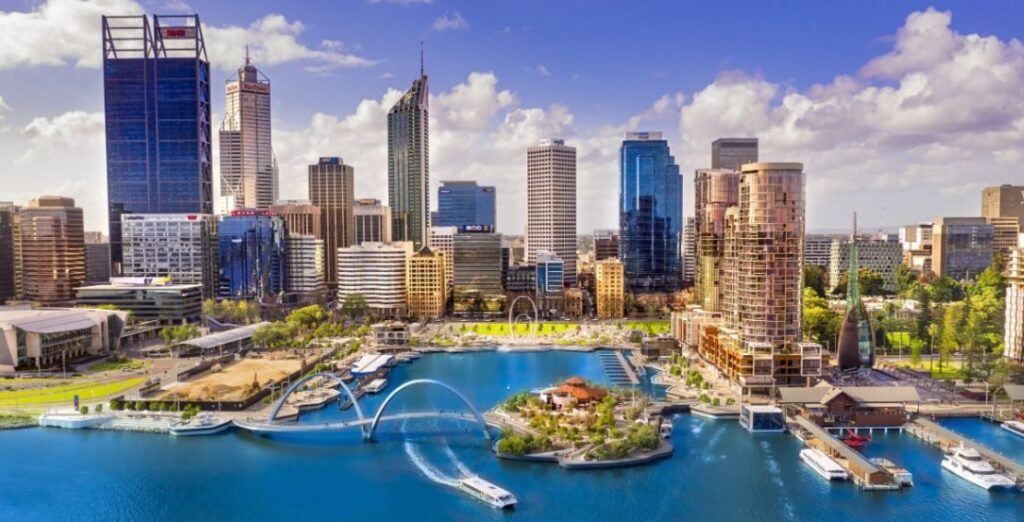
Modern Perth shines at Elizabeth Quay. This waterfront district connects the city center with the river. Public art and open spaces create a lively atmosphere. Restaurants and cafés welcome visitors throughout the day. As a result, the area has become a popular gathering place.
Fremantle: Perth’s Historic Port
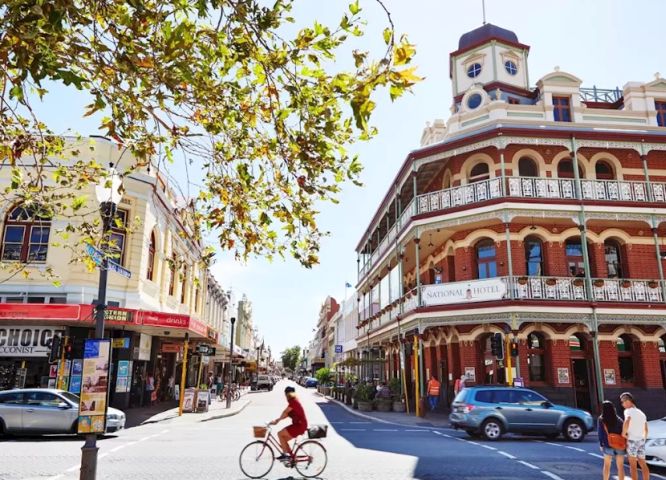
Just southwest of the city lies Fremantle. This historic port offers a different side of the region. Meanwhile, colonial buildings line many of its streets. Markets, galleries, and cafés add local character. Therefore, Fremantle makes an excellent day trip from Perth.
Cottesloe Beach
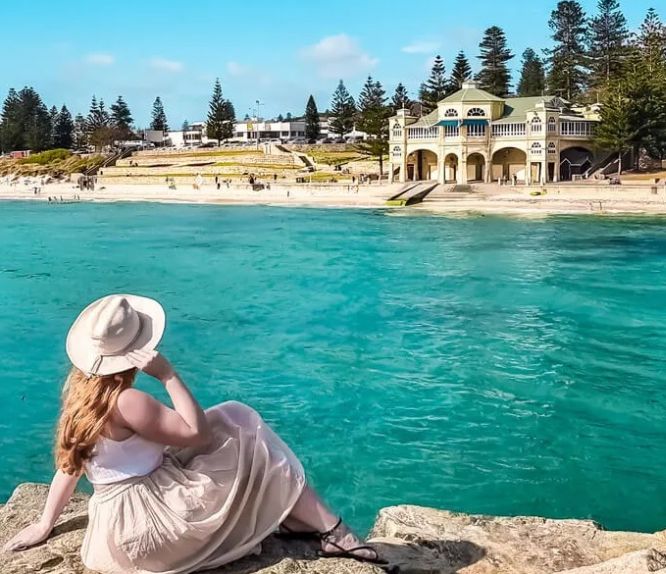
Few places capture Perth’s coastal lifestyle better than Cottesloe Beach. Golden sand meets clear blue water here. Locals gather for swimming, surfing, and evening walks. Sunsets often paint the horizon with vibrant colors. Consequently, the beach remains a favorite destination.
Rottnest Island and the Quokkas
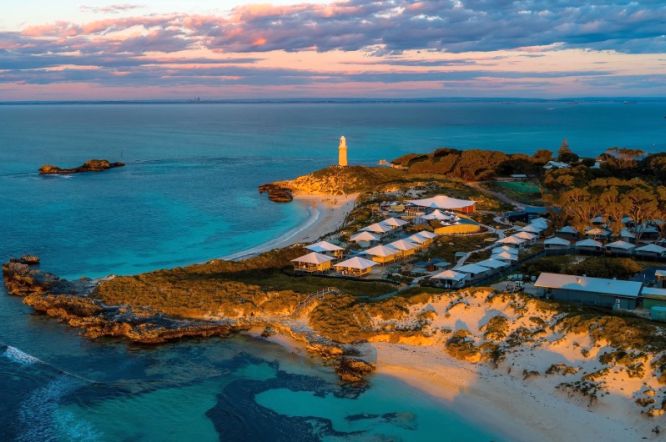
A short ferry ride leads to Rottnest Island. The island offers beautiful bays and quiet cycling routes. However, many visitors come to see the famous Quokka. These friendly animals have become symbols of the region. Therefore, the island enjoys worldwide popularity.
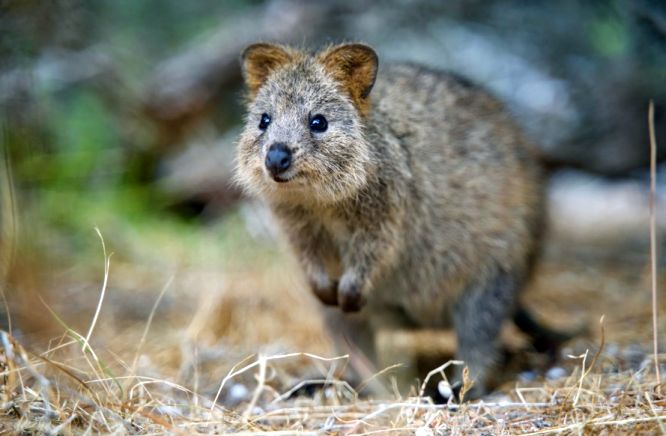
Quokka
Art and Cultural Life
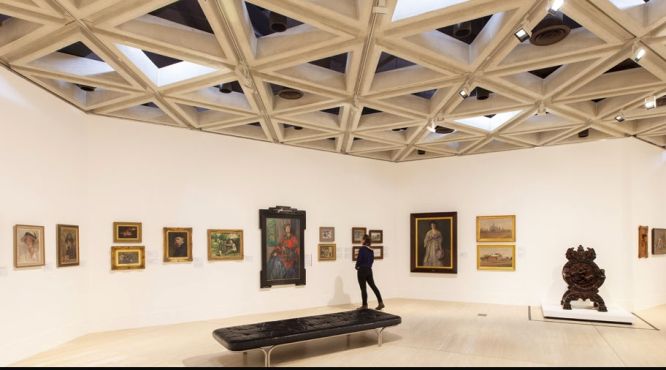
Perth also supports a vibrant cultural scene. Museums, galleries, and theaters enrich the city’s identity. For example, the Art Gallery of Western Australia showcases regional and national works. Cultural festivals bring communities together. Creativity flourishes throughout the year.
Wildlife and Natural Landscapes
Nature surrounds Perth in many directions. National parks and reserves protect diverse ecosystems. Visitors can observe native birds and unique Australian wildlife. Coastal landscapes offer equally memorable experiences. Nature remains close to the city at all times.
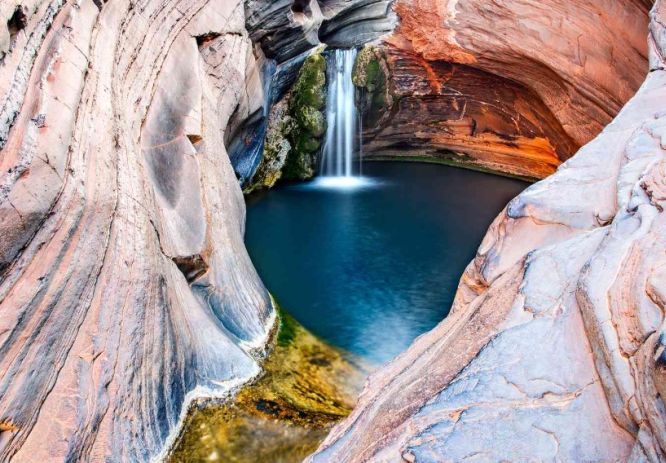
Karijini National Park
Food, Markets, and Local Produce
Perth’s food scene reflects both local traditions and international influences. Especially, fresh seafood appears on many menus. Furthermore, farmers’ markets showcase regional produce and artisanal products. Visitors can discover flavors from across Western Australia. Consequently, food becomes part of the travel experience.
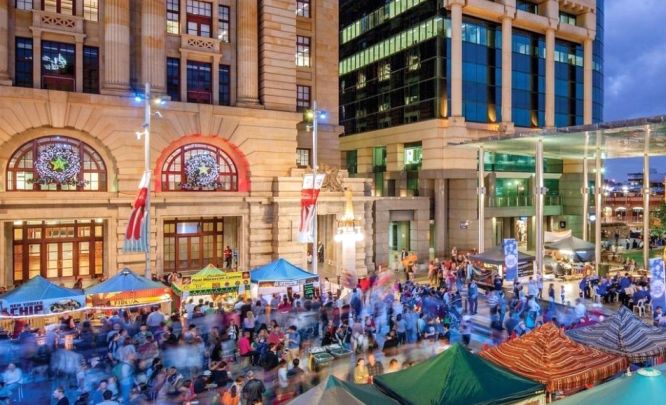
Hawkers Twilight Market
A City of Space and Sunshine
Perth stands apart because of its sense of space. Wide streets, open skies, and nearby nature create a relaxed atmosphere. At the same time, the city offers modern comforts and cultural depth. Perth feels both peaceful and dynamic. In the end, many visitors leave with lasting memories of its sunshine and coastal charm.
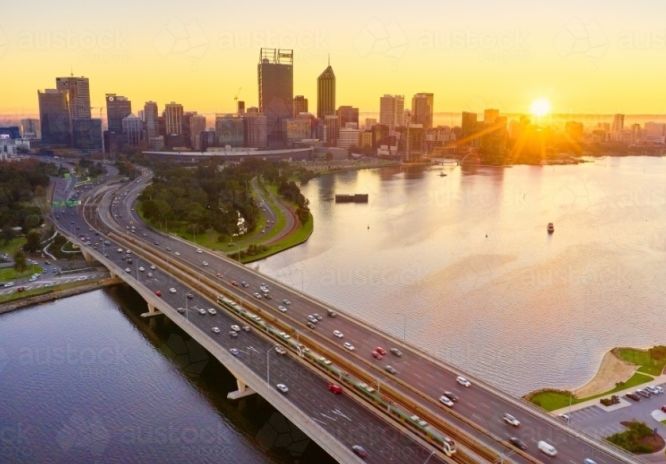
Best time to visit Perth
Perth is in the Southern Hemisphere, so seasons are opposite to the Northern Hemisphere.
- 🌤️ Best months: September–November & March–May (mild, pleasant weather, fewer crowds)
- ☀️ Summer (Dec–Feb): Hot, beach season, crowded, higher prices
- ❄️ Winter (Jun–Aug): Mild and quieter, but some rain and less beach activity
🚆 Getting around the city
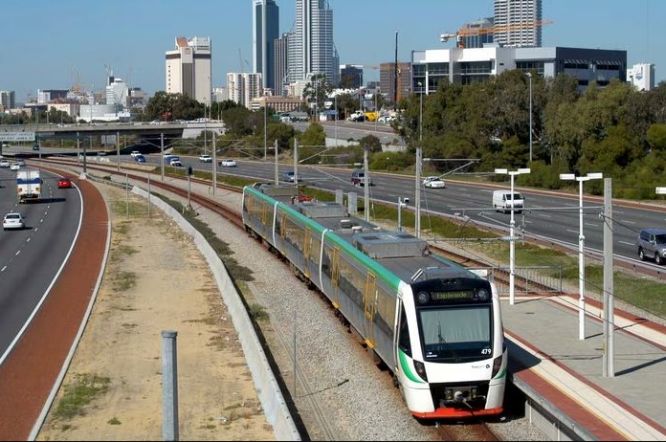
Transperth
Perth has a simple and reliable transport system:
- 🚌 Buses: Wide network, some CBD routes are free
- 🚆 Trains: Fast links to suburbs like Fremantle and Mandurah (Transperth)
- 🚍 CAT buses: Free loops in the city center (very tourist-friendly)
- 🚖 Uber/taxi: Easy but more expensive
- 🚴 Walking/biking: Great for flat areas and coastal paths
💡 Quick travel tips
- 🏖️ Go to beaches early to avoid crowds
- 🌳 Visit Kings Park for city views and nature
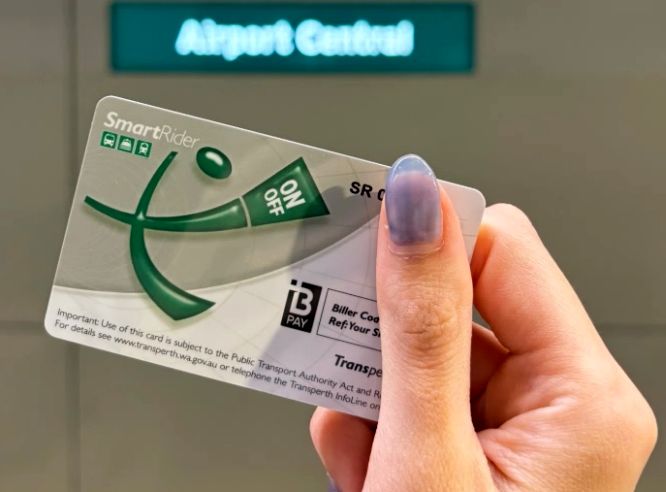
- 💳 Use a SmartRider card for cheaper transport
- 🕒 Distances can be longer than expected
- 🍽️ Don’t miss Fremantle for food and local vibe
Best time is spring or autumn. Public transport is easy, and the city is very tourist-friendly with beaches, parks, and relaxed vibes.
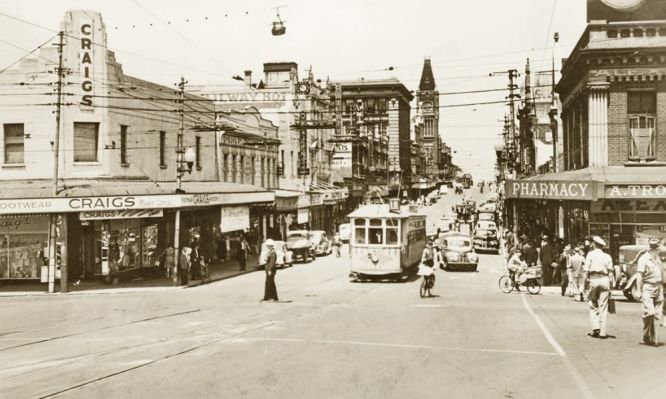
Perth in the 1930s
Perth combines nature, culture, and coastal beauty with remarkable ease. Its relaxed rhythm encourages slower and more meaningful travel. Whether you explore the river, the beaches, or nearby islands, Perth rewards curiosity. As a result, the city offers one of Australia’s most enjoyable urban experiences.
Visit for Perth’s Hotels: Click
Visit for Perth’s Restaurants: Click