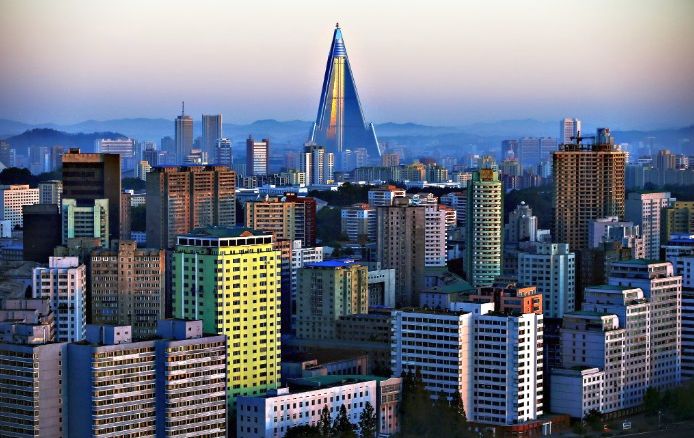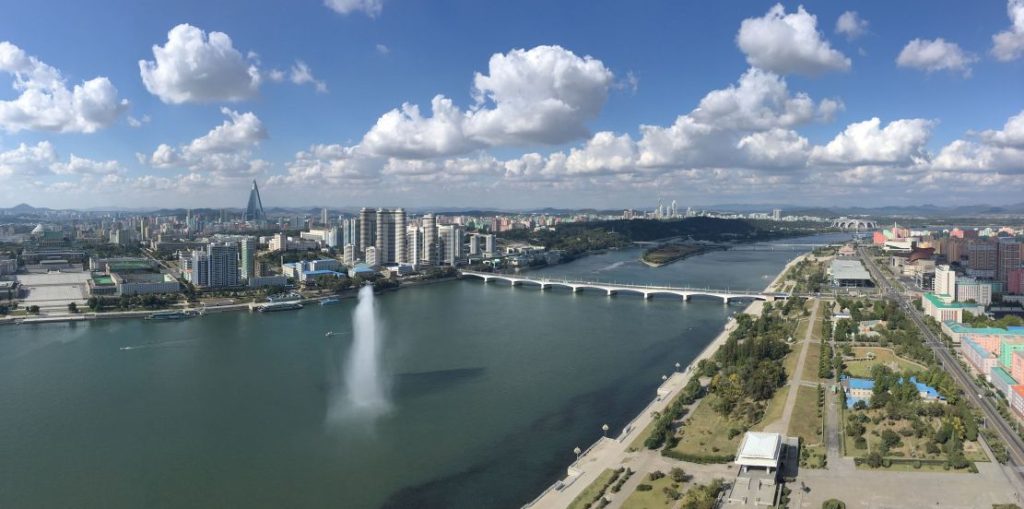
It is no exaggeration to say that North Korea is the most totalitarian country in the world. Pyongyang, the capital of the country, is a city dominated by the rules determined by the political regime. This is truly a “city of ideology”. In the city where life flows under military discipline, a limited number of tourists are accepted every year.
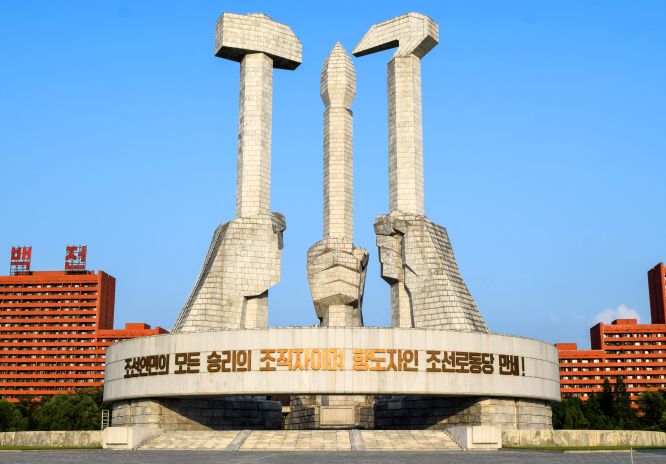
Officially known as the Democratic People’s Republic of Korea (DPRK), the country’s strict rules standardize travel itineraries. For example, there are no hotels as we know them in Pyongyang. Instead, the state operates accommodation facilities for visitors. To enter the country, you need to apply through tour operators that have agreements with the government. In fact, there is no other way to enter North Korea. Moreover, you must travel with government officials during your trips within the city of Pyongyang. Because of these unique characteristics, Pyongyang is a very interesting city for some travelers. Now, let’s take a closer look at the important places in this “closed box” city.
Monuments and Landmarks: Pyongyang’s Icons
Juche Tower
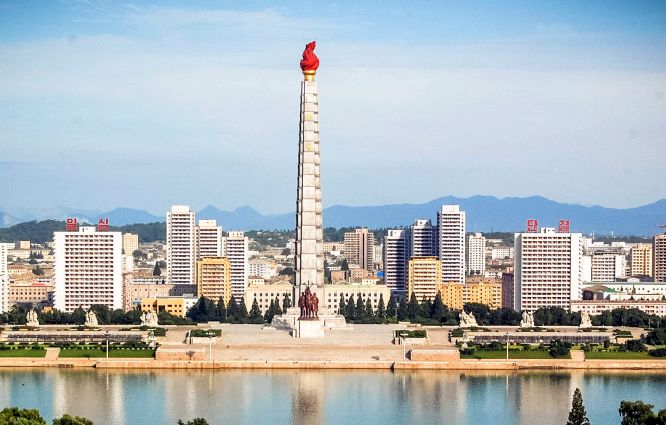
Juche is the official ideology of North Korea. One of Pyongyang’s most iconic landmarks is the Juche Tower, which symbolizes North Korea’s ideological foundation of self-reliance. A visit to the tower offers more than just a great view. As you explore the site, its history and significance gradually come to life. Then, the observation deck rewards you with sweeping views across the city. From above, familiar streets and landmarks take on a whole new perspective.
Kim Il-sung Square
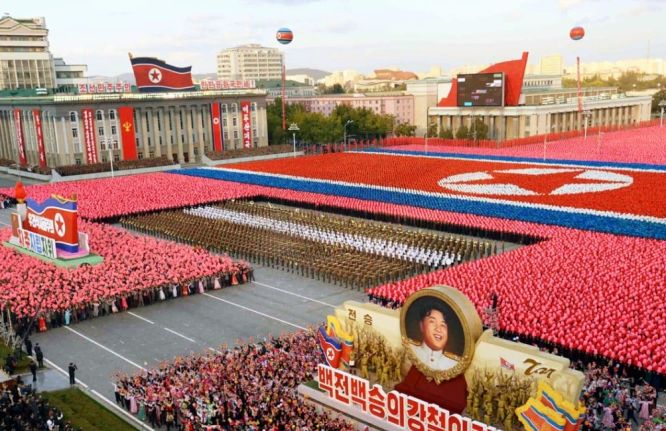
Kim Il-sung is the founding leader of the country. This large square was named after him. In the heart of Pyongyang lies Kim Il-sung Square, a vast public space known for its political and cultural importance. Throughout the year, national celebrations and military parades bring this square to life. During these events, the surrounding architecture creates an especially impressive setting. Beyond its historical significance, the square showcases some of the city’s most monumental buildings. For this reason, many visitors include it among the highlights of their journey.
Arch of Triumph
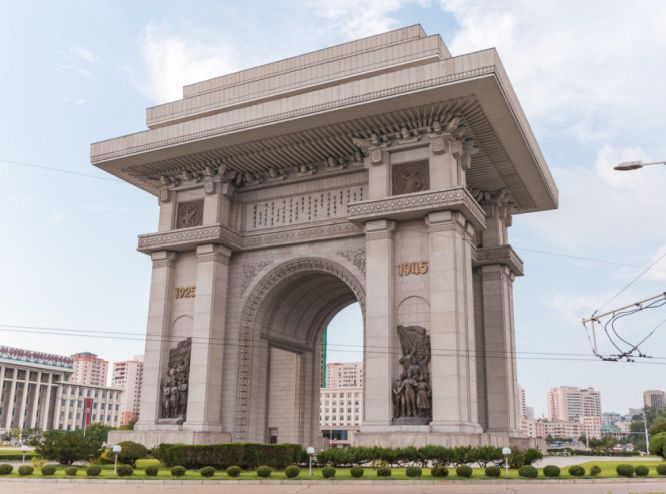
The Arch of Triumph, inspired by its Parisian counterpart, commemorates the country’s resistance during the Japanese occupation. Standing taller than its Parisian inspiration, it offers insights into North Korea’s historical narrative.
Cultural and Historical Sites
Mansudae Grand Monument
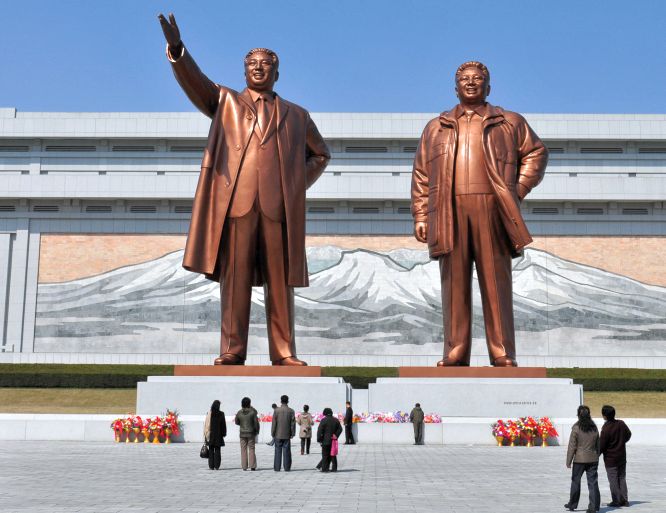
The Mansudae Grand Monument features towering statues of Kim Il-sung and Kim Jong-il. Visitors are encouraged to pay their respects, and it’s customary to bow during visits. This site provides a glimpse into the deeply ingrained reverence for leadership in North Korean culture.
Korean War Museum
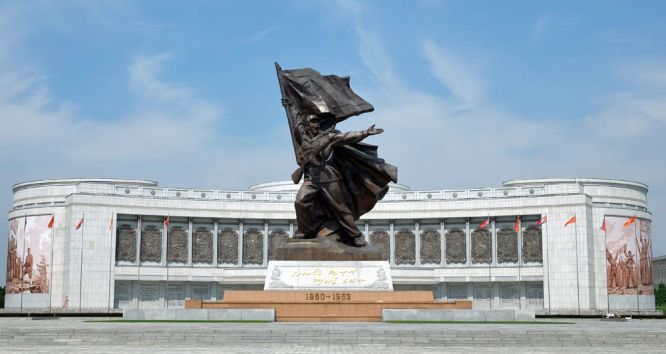
The Korean War in the 1950s determined the political and ideological foundations of the country. You may also find the “Victorious Fatherland Liberation War Museum” enlightening, as it provides the North Korean perspective on the Korean War. Outside the museum, the USS Pueblo, a captured American naval vessel, offers additional insights into the country’s history.
Natural and Scenic Attractions
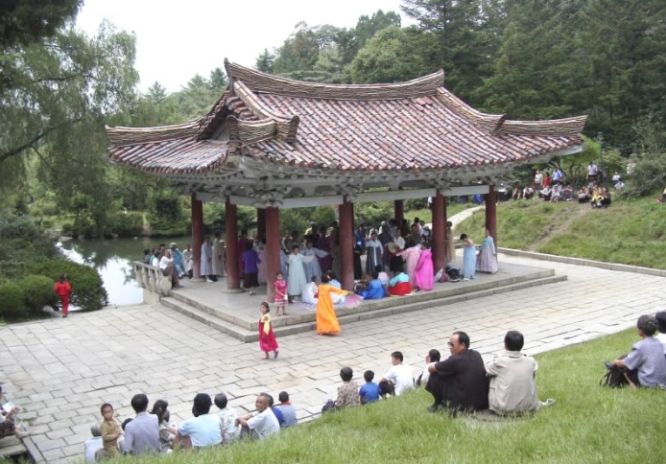
While Pyongyang is known for its monumental cityscape, there are also places to relax and enjoy nature. Moranbong Park, a popular recreational spot, offers walking trails and scenic views of the city. For a peaceful escape, you might consider visiting the Taedong River, where locals often gather.
Ryugyong Hotel Construction
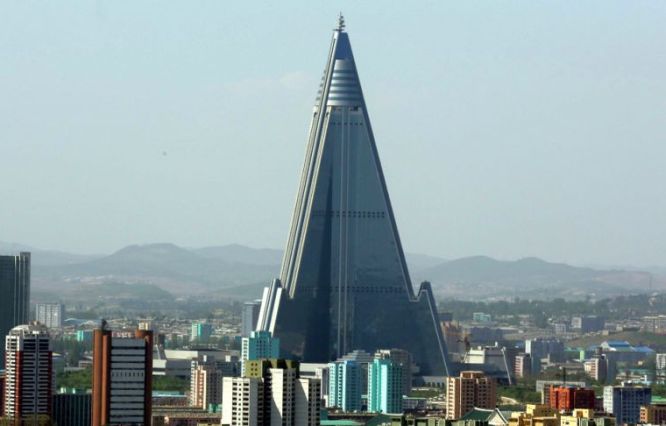
The Ryugyong hotel is a building that immediately stands out in Pyongyang’s skyline. It is a mysterious building that has been under construction since 1987. The exterior of the building, which looks like a magnificent and huge pyramid, is covered with glass. Although its name is a hotel, this huge hotel with 3 thousand rooms is closed. Tourist groups can only visit the building, which is approximately 330 meters high, from outside.
Practical Tips for Visiting Pyongyang
- Organized Tours: Foreign visitors must join a guided tour through an approved travel agency. Tours are structured and include a fixed itinerary.
- Cultural Etiquette: Respect for local customs and traditions is essential. Photography is often limited. In this regard, you should be careful to follow the instructions of the government officials and tour guides accompanying you.
- Best Time to Visit: Spring (April-May) and autumn (September-October) offer the most comfortable weather for exploring the city. We especially recommend that your travel dates coincide with the Labor Day ceremonies on May 1st and the Foundation Day of the Democratic Republic of North Korea on September 9th (Of course, if allowed). On these days, magnificent military parades, public and youth demonstrations can be watched.
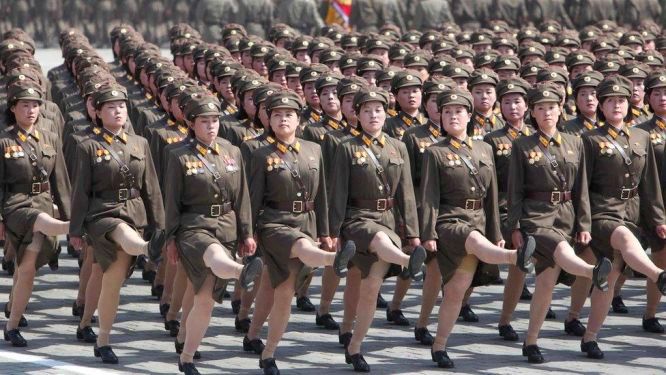
Pyongyang’s population is approximately 3 million. Despite this, it hosts only a few thousand tourists every year in a controlled manner. As the most closed city in the world, it has a cold, creepy yet intriguing charm. Pyongyang is a destination unlike any other, offering visitors a chance to experience a carefully curated view of North Korea’s culture and history.
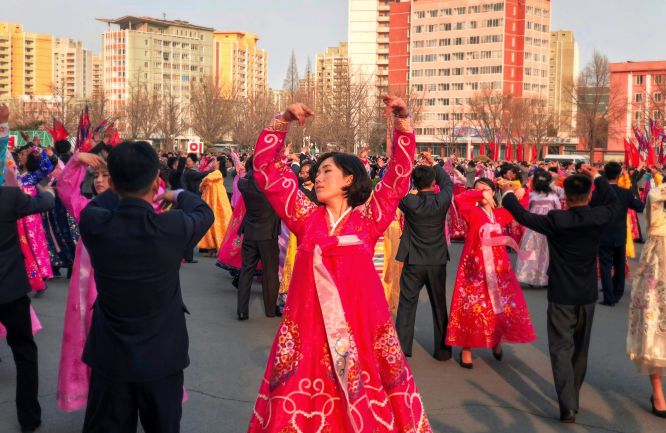
From the moment you arrive, Pyongyang presents a perspective unlike any other. You can admire grand architecture, visit historical landmarks, and observe daily life as it unfolds around you. Along the way, the city reveals insights into a unique and complex part of the world. Ultimately, Pyongyang offers a distinctive experience for travelers interested in history, culture, and different societies.
For Travel Information to Pyongyang: Click