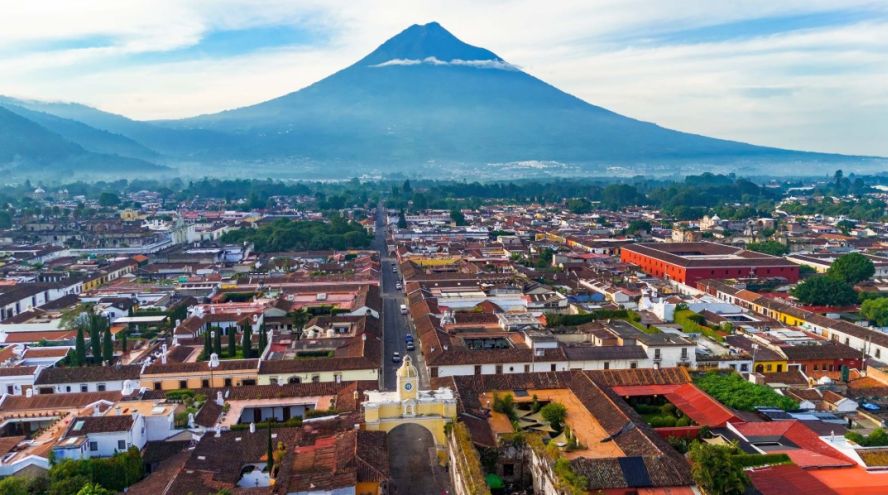
Guatemala, once home to the Maya civilization, transformed into a land of colonial cities following the 16th century. Antigua Guatemala is one of the most notable examples of this. As the capital of the Sacatepéquez department and the country’s former capital, Antigua boasts a wealth of historical, architectural, and tourist attractions.
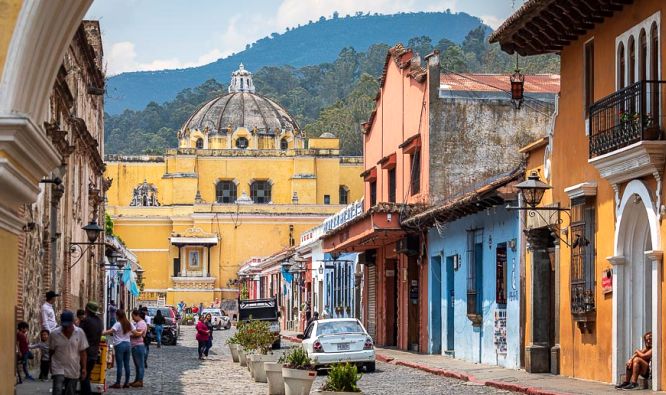
While it may not be as widely renowned as certain other cities in Central America and the Caribbean such as Havana, Mexico City, Cancún, or Kingston it is a destination well worth exploring. Surrounded by volcanoes, cobbled streets, and colorful colonial buildings, it has a distinctive atmosphere.
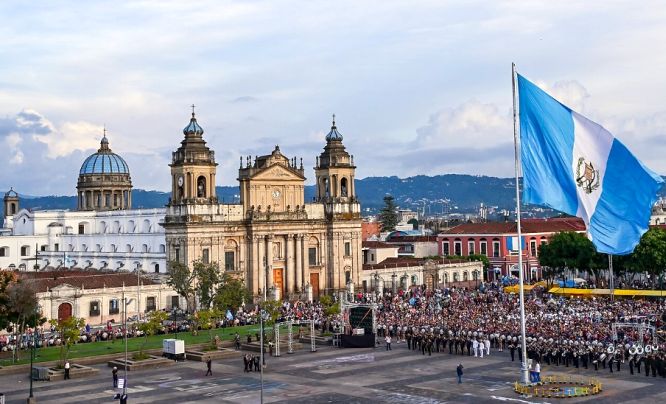
Guatemala City
Although many people refer to Antigua as Guatemala’s former capital, the country’s modern capital is Guatemala City. Antigua served as the capital of the Captaincy-General of Guatemala for more than two centuries before a devastating earthquake led authorities to relocate the capital in 1773.
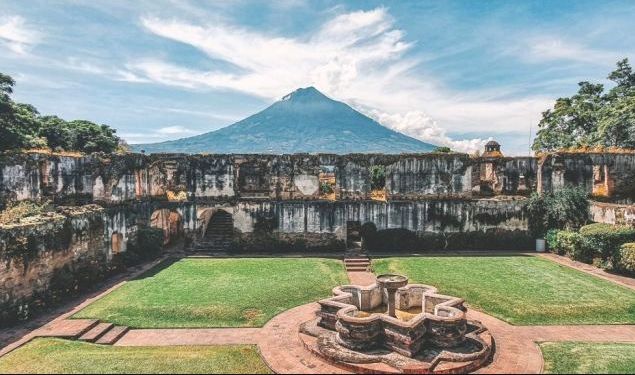
The city became a UNESCO World Heritage Site in 1979. Its preserved street plan, colonial buildings, churches, and ruins give Antigua an important place in Latin American history.
Walk Through Antigua’s Historic Streets
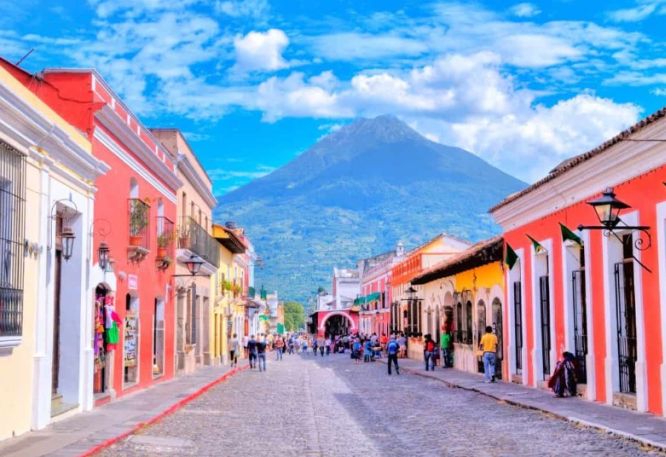
The best way to experience Antigua is often simply to walk. Cobblestone streets lead past colorful houses, small courtyards, old churches, and lively plazas. Meanwhile, volcanoes rise behind the historic buildings, creating a dramatic natural backdrop.
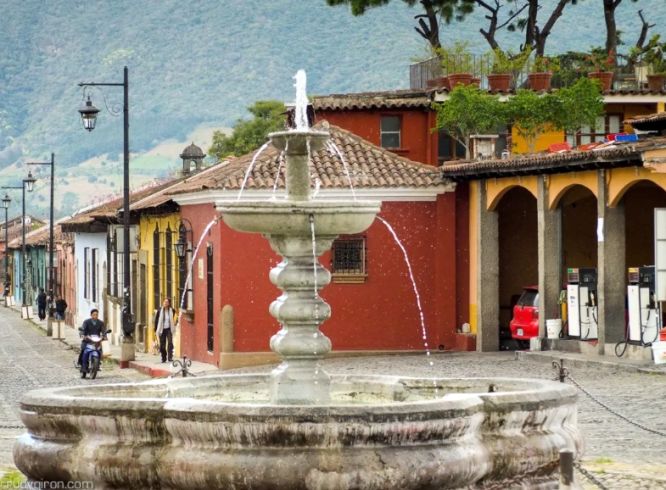
Antigua follows a distinctive grid layout inspired by Renaissance planning. This design dates back to the colonial period and remains an important part of the city’s character.
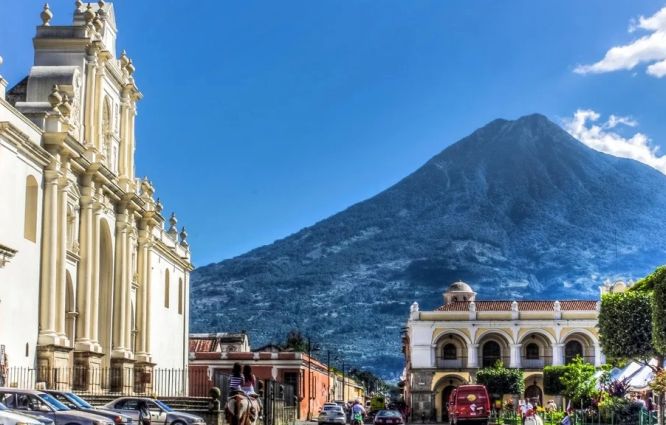
As you wander through the center, different architectural details begin to stand out. Bright facades, wooden doors, decorative arches, and traditional courtyards create a strong sense of place.
Explore Antigua’s Colonial Architecture
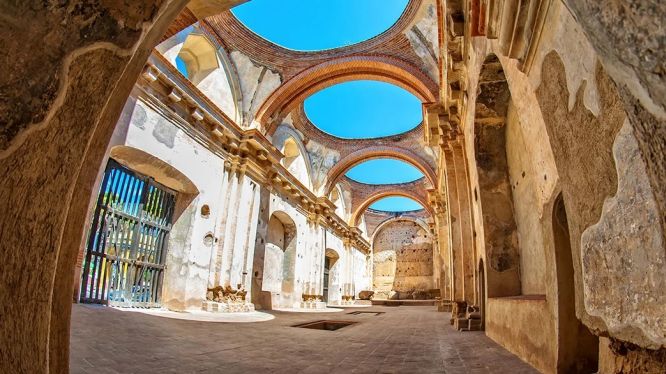
Architecture is one of Antigua’s greatest attractions. The city contains numerous churches, monasteries, civic buildings, and historic residences.
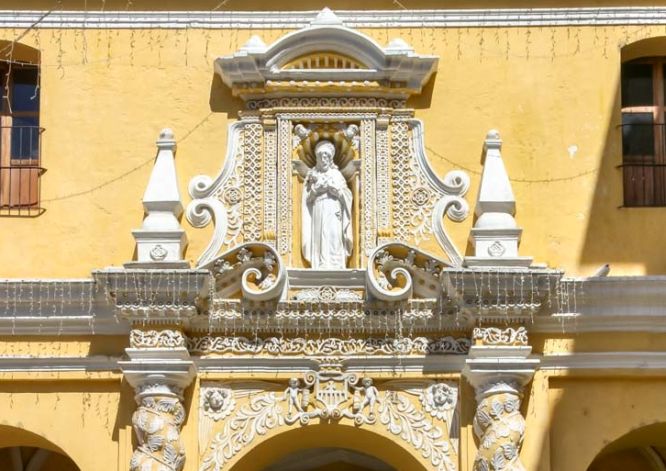
Many structures feature a local interpretation of Baroque architecture known as Barroco Antigueño. This style developed partly in response to the region’s frequent earthquakes. As a result, buildings often feature thick walls, relatively low towers, and strong structural forms.
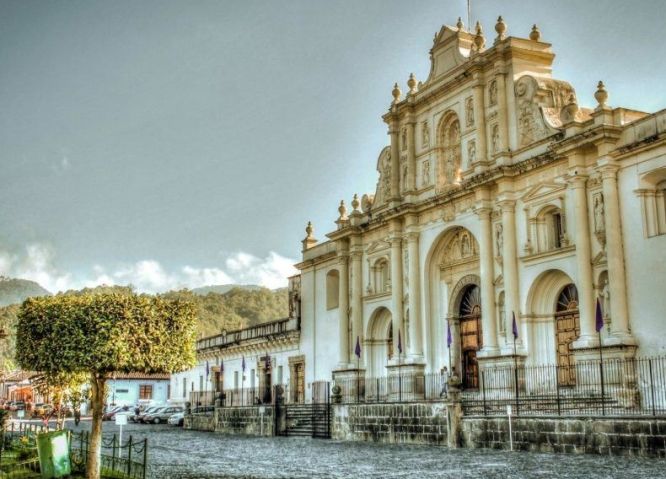
The Cathedral of San José stands beside Parque Central and remains one of the city’s best-known landmarks. Its ruined sections reveal the effects of the earthquakes that repeatedly damaged Antigua.
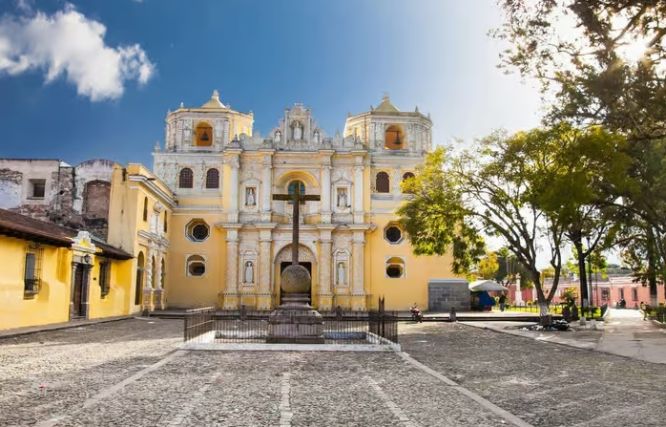
Another remarkable site is La Merced Church. Its yellow facade and intricate decorative details make it one of the most recognizable buildings in the historic center.
Visit Santa Catalina Arch
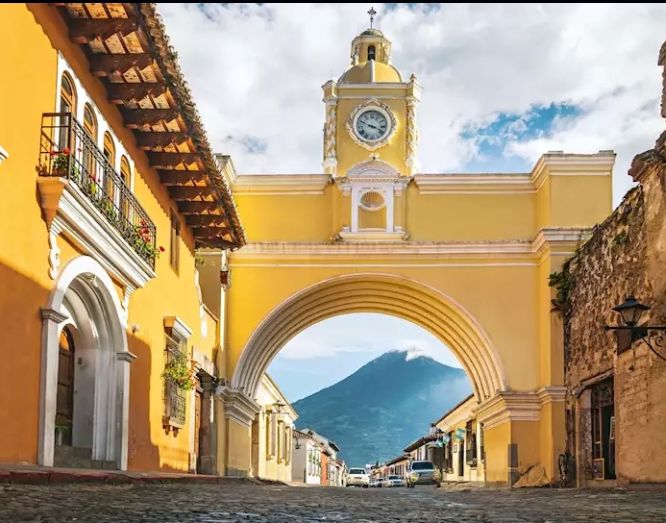
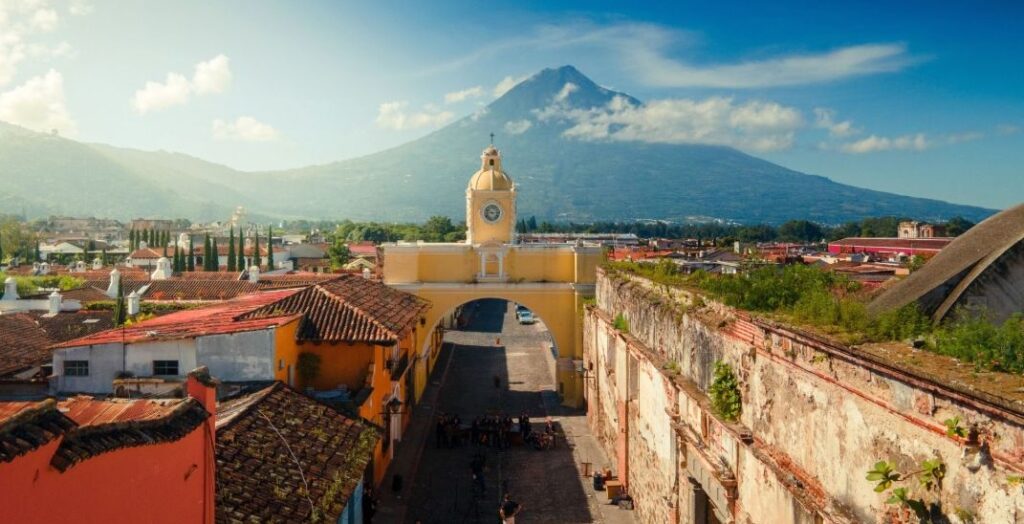
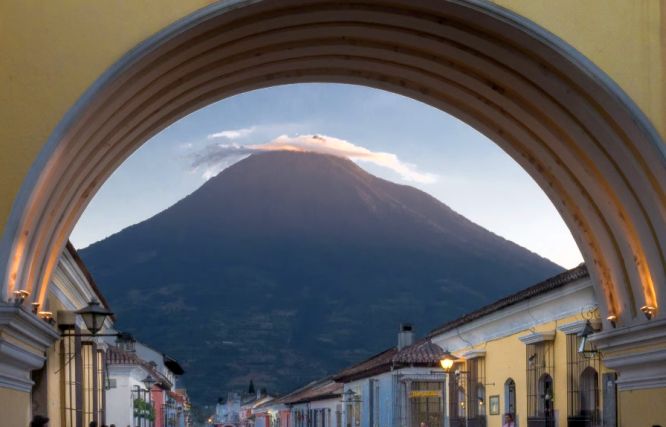
Santa Catalina Arch is perhaps the most recognizable landmark in Antigua Guatemala. The bright yellow arch crosses a historic street and creates one of the city’s most photographed views. Volcán de Agua often appears in the background when the weather is clear.
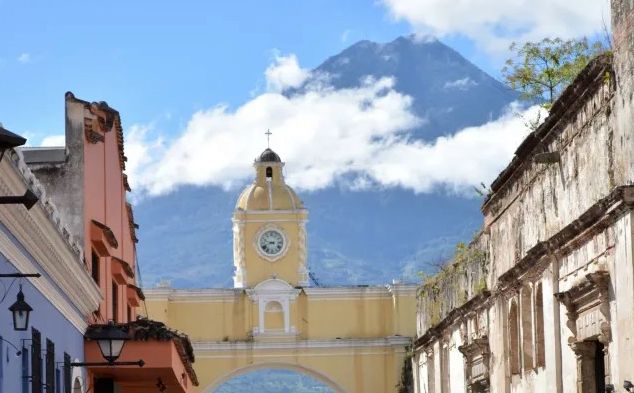
Volcán de Agua
The arch originally connected the Santa Catalina convent with another building. Nuns used the passage so they could move between buildings without appearing in public.
Today, the arch has become a symbol of Antigua. It is especially atmospheric in the early morning, when the surrounding streets are quieter.
Discover Parque Central
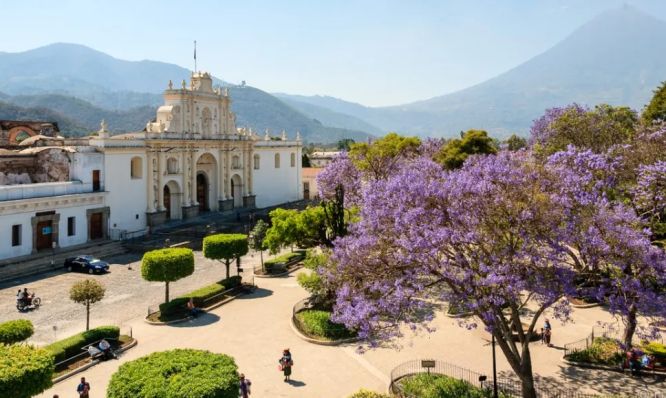
Parque Central forms the social heart of Antigua’s historic district. The square is surrounded by important buildings, including the cathedral and former colonial government structures. Trees, fountains, benches, and surrounding arcades give the area a relaxed character.
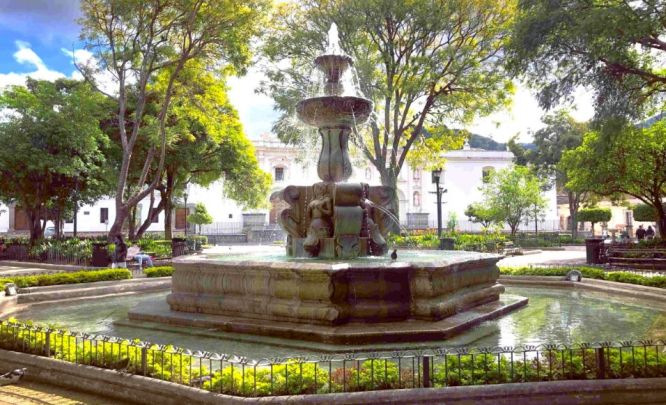
Locals and visitors regularly gather here throughout the day. Street vendors, musicians, and nearby cafés add movement to the historic setting.
Experience Antigua’s Local Culture

Antigua is more than a collection of historic buildings. Its culture remains visible in everyday life. Traditional markets offer colorful textiles, handmade crafts, fresh produce, and regional products. Local restaurants serve Guatemalan dishes alongside international cuisine.
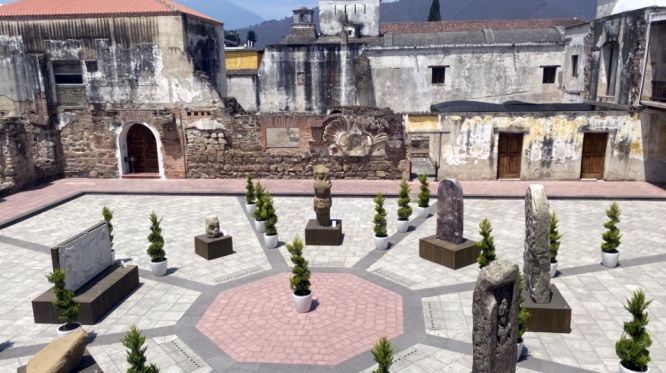
The National Museum of Art of Guatemala (MUNAG)
Furthermore, the city has a growing creative community. Art galleries, design shops, workshops, and independent cafés bring a contemporary character to the historic center.
See the Ruins of Antigua’s Churches and Monasteries
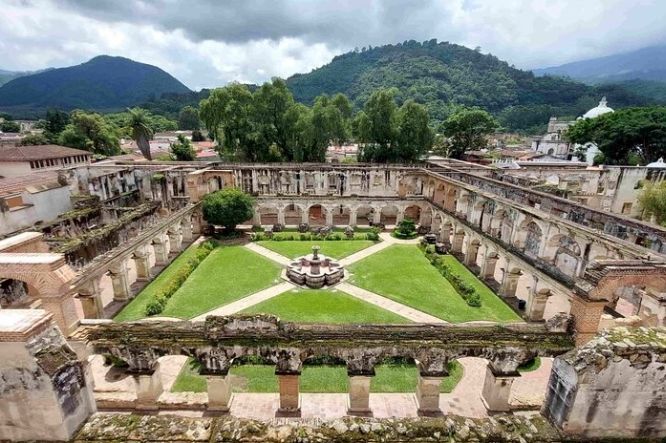
Santa Clara Convent
Antigua’s ruins provide some of its most memorable experiences. For example, the Santa Clara Convent complex contains courtyards, arches, and weathered stone structures. The site reveals the scale of religious life during the colonial period.
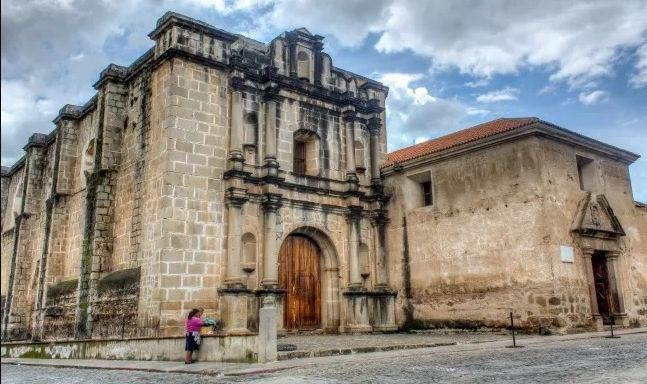
Las Capuchinas Church
Las Capuchinas offers another fascinating look at Antigua’s religious architecture. Its unusual circular structure and surviving rooms make it particularly interesting for visitors.
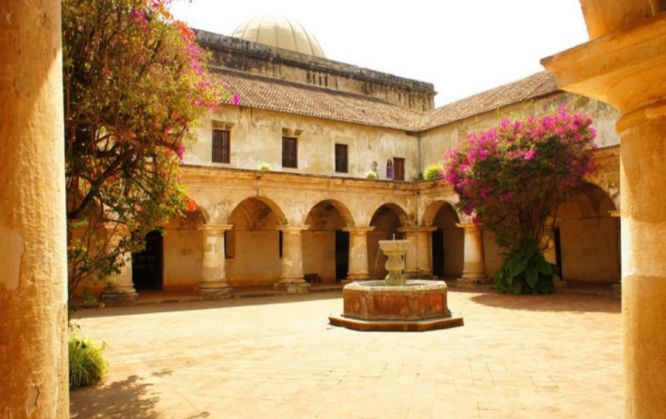
The ruins also demonstrate how earthquakes influenced the city. Antigua experienced several major natural disasters, with the 1773 Santa Marta earthquakes causing extensive destruction. Authorities subsequently ordered the capital to move to a safer location.
Rather than disappearing completely, Antigua survived as a historic city. Many of its damaged structures remain part of its identity today.
Enjoy the Views of Guatemala’s Volcanoes
Antigua sits in a spectacular volcanic landscape. Volcán de Agua dominates many views from the city, while Volcán de Fuego and Acatenango rise farther away.
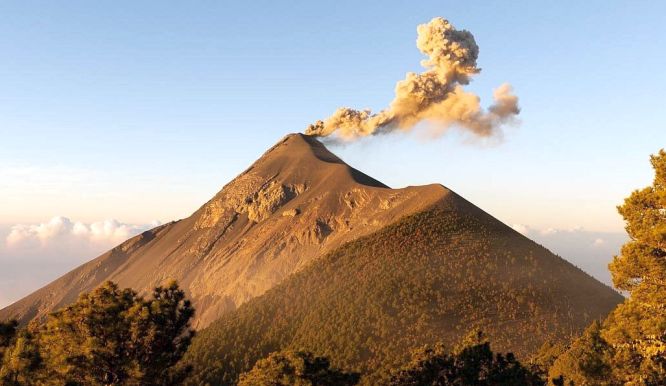
Volcán de Fuego
On clear days, viewpoints around Antigua offer impressive photographs. At the same time, cloud cover can change the scenery within minutes.
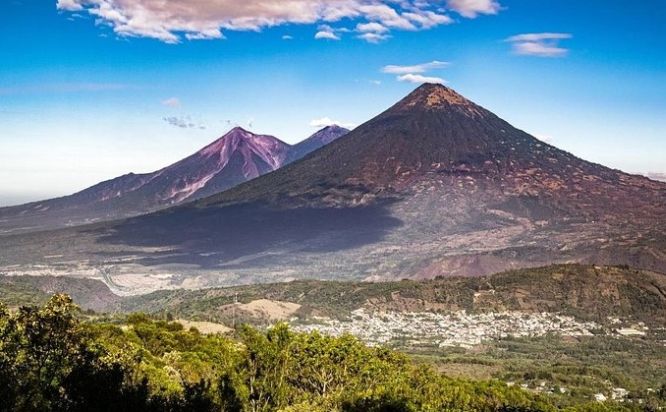
Acatenango
For travelers interested in nature, the area also provides opportunities for hiking and outdoor adventures. Acatenango is especially popular among visitors looking for dramatic volcanic landscapes.
Taste Guatemalan Food in Antigua

Kak’ik (Guatemalan turkey soup)
Food provides another way to understand Antigua’s cultural identity.
Traditional Guatemalan cuisine includes dishes such as pepián, tamales, kak-ik, and various forms of tortillas. Local restaurants often combine these traditional flavors with contemporary cooking.

Pepián (Traditional Guatemalan Meat Spicy Stew)
Guatemala has a strong coffee-growing tradition, and Antigua’s cafés provide a comfortable way to enjoy locally produced coffee. Antigua also has a lively café culture. Small coffee shops occupy historic buildings, creating pleasant spaces for a morning drink or afternoon break.

Tamales (A traditional Guatemalan meat dish made with corn dough and wrapped in a banana leaf)
Best Time to Visit Antigua Guatemala
| Season | What to Expect |
|---|---|
| Dry Season | Sunny days and comfortable conditions for walking (Between November and April) |
| Wet Season | Green landscapes and occasional afternoon rain (Between May and October) |
| Semana Santa | Elaborate religious celebrations and colorful processions (Usually late March or early April.) |
| Quieter Months | Fewer visitors and a more relaxed atmosphere |
Final Thoughts: Antigua’s Enduring Charm
For travelers interested in history, architecture, local culture, and beautiful landscapes, Antigua offers a rewarding experience. More importantly, the city invites visitors to slow down and appreciate the details.
Antigua is not a destination that needs to be rushed. Its charm lies in the streets, courtyards, ruins, cafés, and quiet moments between the major sights.