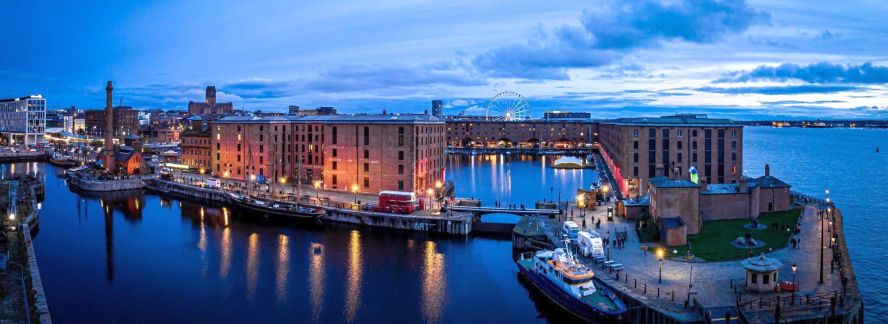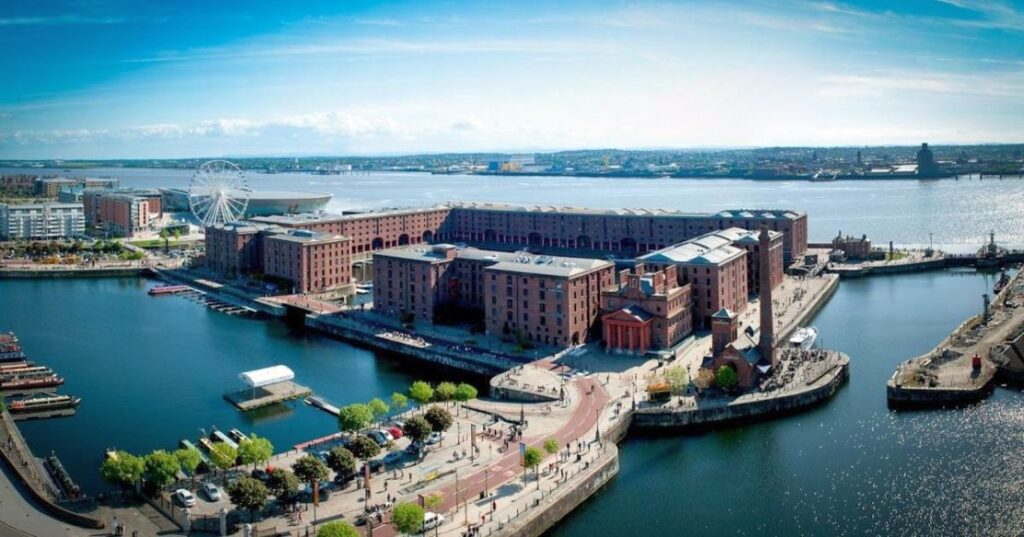
We are at Anfield Road Stadium. First, a low roar fills our ears, followed by that song sung in unison by thousands of fans: “Walk on! Walk on! With hope in your heart! And you’ll never walk alone!” This is Liverpool. This is a city in the west of England a city of dock and shipyard workers, of football, of music, and of those who never walk alone.
Liverpool is one of England’s most distinctive cities. Located beside the River Mersey, it combines maritime history, musical innovation, and cultural diversity. Many travelers first discover Liverpool through The Beatles. However, the city offers a much deeper experience beyond its famous music scene.
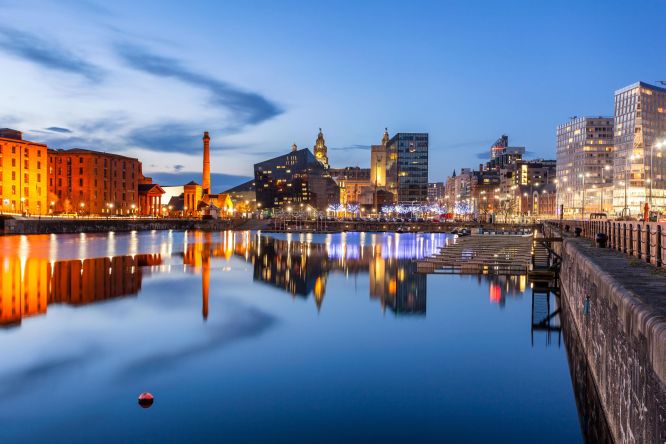
Historic docks, impressive buildings, and creative neighborhoods reveal Liverpool’s unique character. The city has always been shaped by trade, migration, and artistic expression. A visit to Liverpool feels like exploring different chapters of British history within one destination.
Liverpool Waterfront: Where History Meets the River
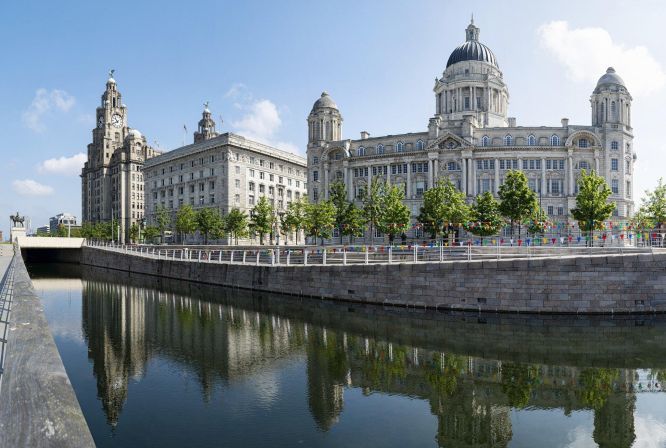
The Liverpool Waterfront represents the city’s connection with the sea. For centuries, the River Mersey played an important role in Liverpool’s development. Walking along the river provides a peaceful way to understand the city’s maritime identity.
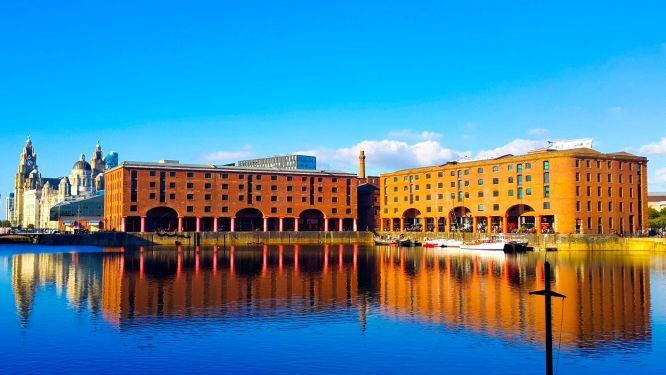
The Royal Albert Dock remains one of the city’s most recognizable areas. Once filled with warehouses, this historic district now hosts museums, galleries, cafés, and public spaces.
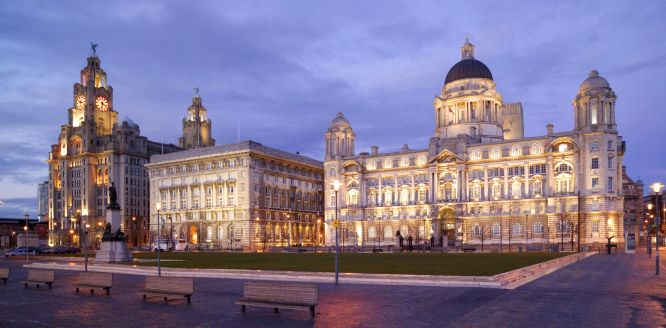
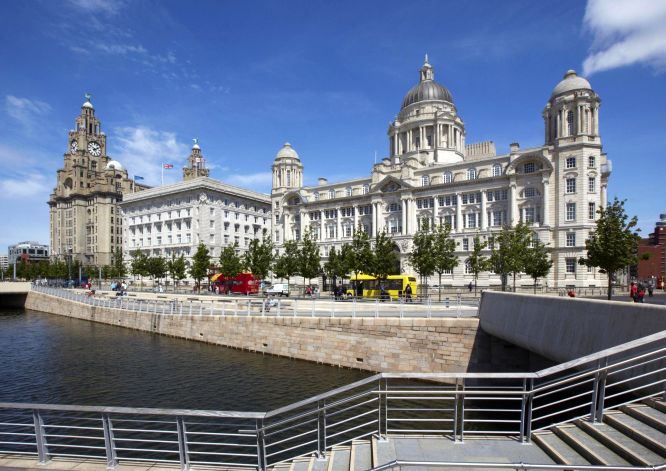
The Three Graces stand proudly near the waterfront. These elegant buildings reflect Liverpool’s importance as a global trading center during the industrial period.
The Beatles: Discover Liverpool’s Musical Legacy
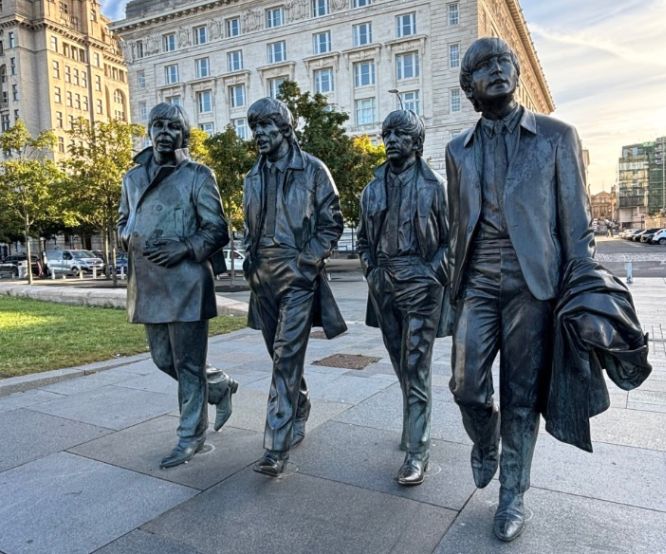
The Beatles Statue at the Pier Head waterfront
Liverpool’s relationship with The Beatles continues to attract visitors from around the world. The band’s story is deeply connected with the city’s streets and neighborhoods.
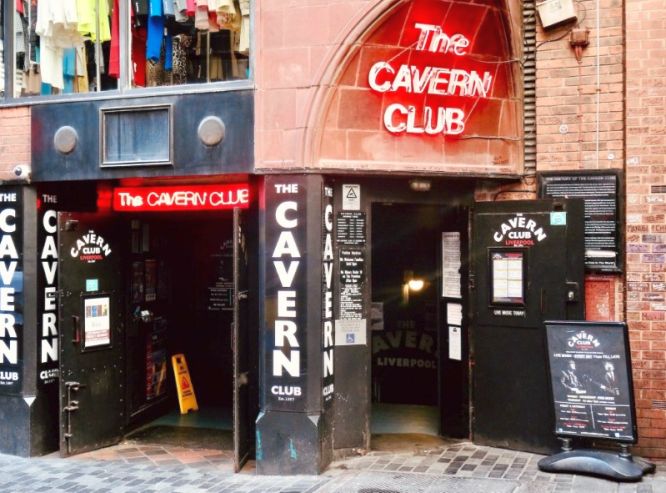
The famous Cavern Club remains a symbol of Liverpool’s music culture. It was the place where The Beatles performed during their early years. Beyond the Cavern Club, several locations across the city celebrate the lives of John Lennon and Paul McCartney.
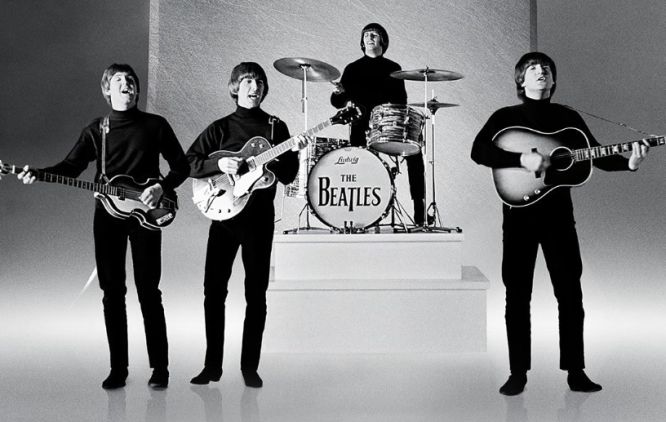
The Beatles created a global musical revolution, but Liverpool’s creativity did not end there. The city still has a lively music scene with new artists and independent venues.
Explore Liverpool’s Cultural Attractions
Liverpool has a strong cultural identity shaped by art, history, and innovation.
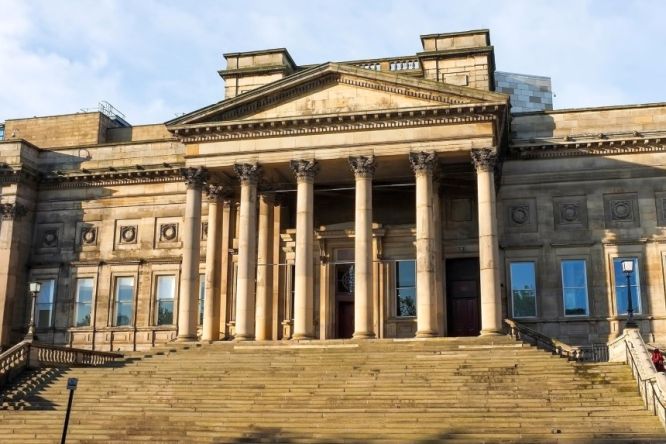
The World Museum offers exhibitions about science, nature, and world cultures. It provides an interesting look at different civilizations and discoveries.
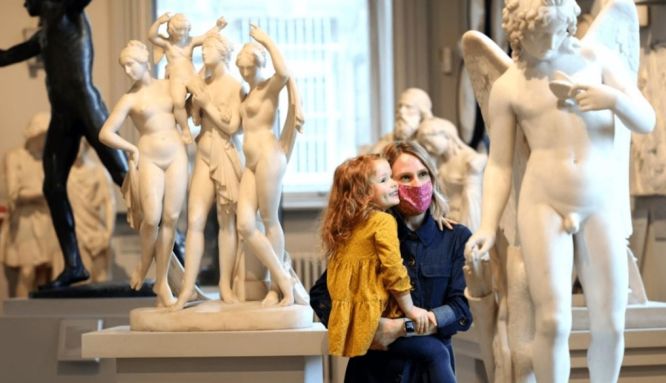
The Walker Art Gallery is another important cultural stop. Its collection includes European paintings and decorative arts.
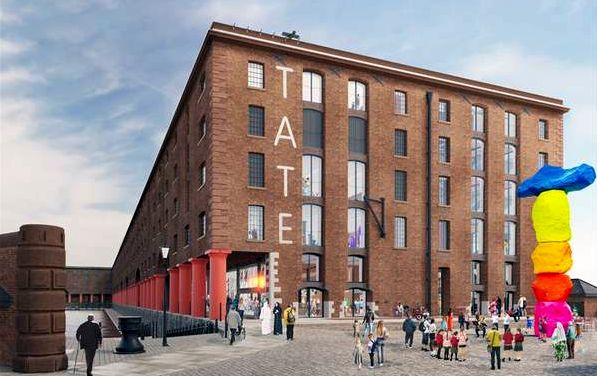
Meanwhile, the Tate Liverpool brings modern and contemporary art to the waterfront. Together, these places show how Liverpool values both its past and its creative future.
Liverpool Architecture: A Journey Through Different Eras
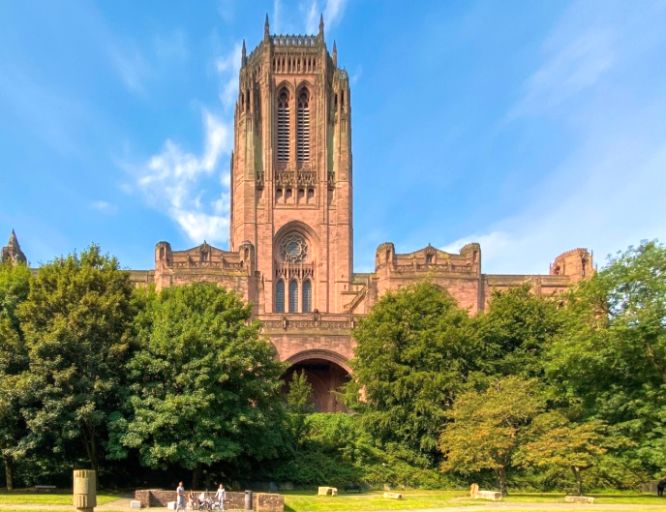
Liverpool Cathedral
The city center features Victorian buildings, modern designs, and historic landmarks. This mixture creates a fascinating urban landscape. For example, the Liverpool Cathedral is one of the city’s most impressive landmarks. Its enormous size and Gothic-inspired design make it unforgettable.
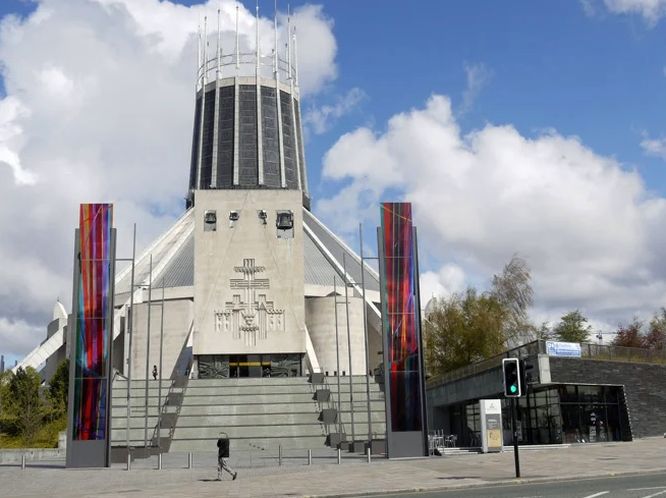
Metropolitan Cathedral of Christ the King
Another remarkable building is the Metropolitan Cathedral of Christ the King. Its circular structure and modern style create a strong contrast with traditional architecture. For architecture lovers, Liverpool offers a visual journey through different periods of British design.
Football and Local Identity
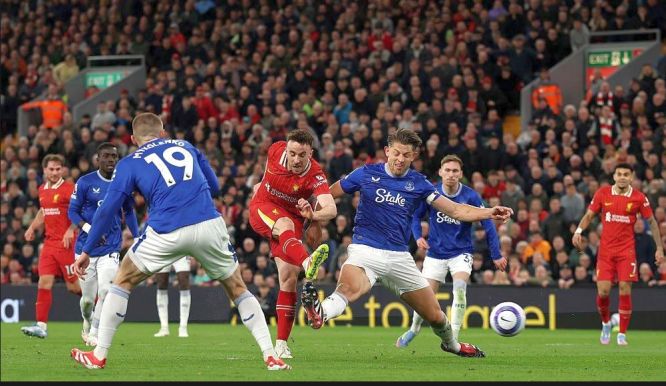
Football is an essential part of Liverpool’s culture. The city is home to two famous clubs, Liverpool F.C. and Everton F.C.
Match days bring incredible energy to the city. Supporters fill the streets, creating an atmosphere that reflects local passion and community spirit. Even visitors who are not football fans may appreciate the importance of the sport in Liverpool’s identity. Football here is not only about competition. It represents tradition, memories, and a strong connection between generations.
Discover Liverpool’s Creative Neighborhoods
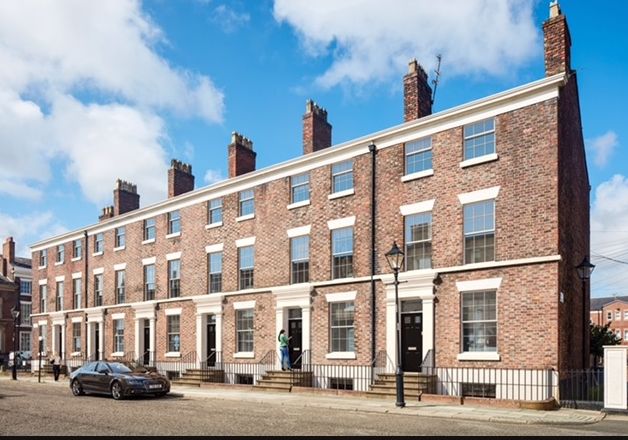
Liverpool’s neighborhoods reveal another side of the city. Located on the east bank of the river, The Georgian Quarter is known for historic streets, elegant architecture, and independent cafés. It offers a quieter atmosphere away from the busy city center.
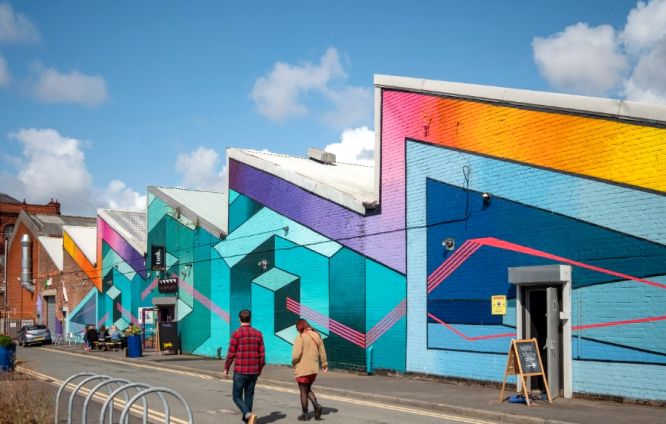
The Baltic Triangle represents Liverpool’s modern creative spirit. Former industrial spaces have become art studios, restaurants, and cultural venues.
Taste Liverpool’s Local Food Culture
Liverpool’s cuisine reflects its multicultural background. The city’s history of immigration has influenced its restaurants and traditional dishes.

Scouse (Liverpool’s local dish)
For example, “Scouse” is the most famous local dish. This simple stew represents Liverpool’s working-class heritage and remains part of the city’s identity. Visitors will also find international restaurants, independent cafés, and modern food spaces throughout the city.
Museums That Explain Liverpool’s Story
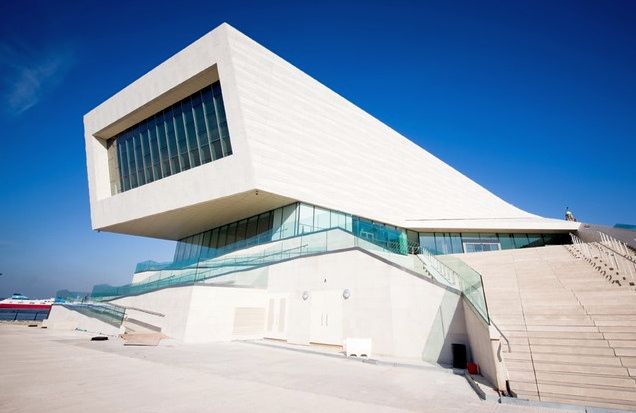
Liverpool’s museums help visitors understand the city beyond its famous landmarks. The Museum of Liverpool explores local history, social changes, and everyday life.
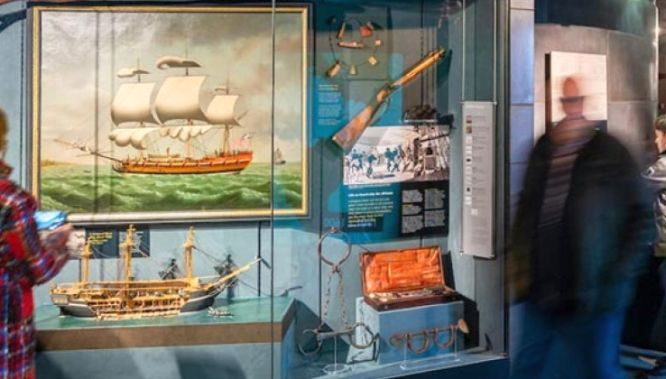
The International Slavery Museum presents important historical discussions about Liverpool’s maritime connections and global impact. These museums provide a broader perspective on the events that shaped the city.
Best Time to Visit Liverpool
| Season | Experience |
|---|---|
| Spring | Comfortable weather and excellent walking conditions |
| Summer | Festivals, outdoor activities, and lively streets |
| Autumn | Cultural events and fewer crowds |
| Winter | Museums, architecture, seasonal atmosphere and football matches |
Spring and early autumn are usually ideal for exploring Liverpool. The weather is comfortable, and popular areas are generally less crowded.
Final Thoughts: Liverpool Beyond The Beatles and Football
Liverpool is much more than the birthplace of a legendary band. It is a city shaped by music, trade, architecture, and human stories. The waterfront reflects its maritime past, while creative neighborhoods show its modern energy.
A Liverpool visit offers more than famous attractions. It provides a chance to experience a city with a strong identity and a remarkable ability to reinvent itself.